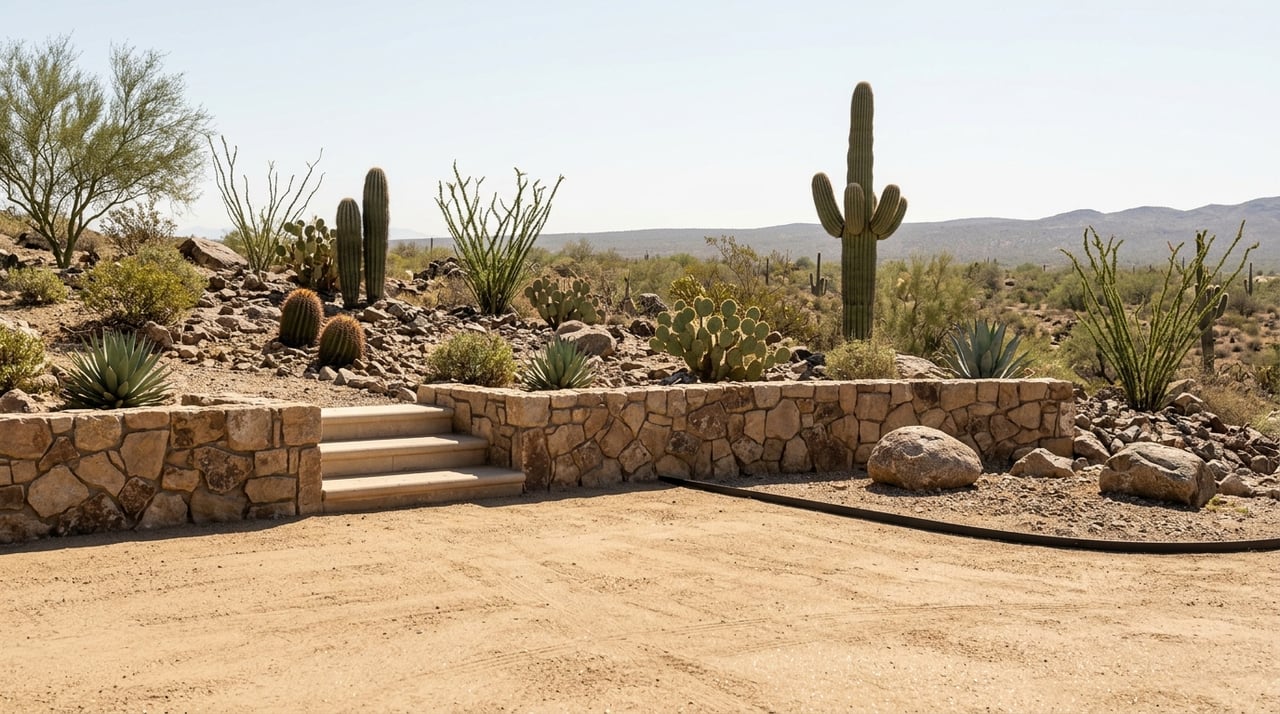
What makes a luxury home site view truly valuable in Tucson? It is not just the panorama you see the first time you step onto the land. It is also what can be preserved, what can be built, and what nearby planning decisions could change over time. If you are comparing premium home sites in Tucson or Marana, understanding those layers can help you make a more confident decision. Let’s dive in.
Start With the View You See Today
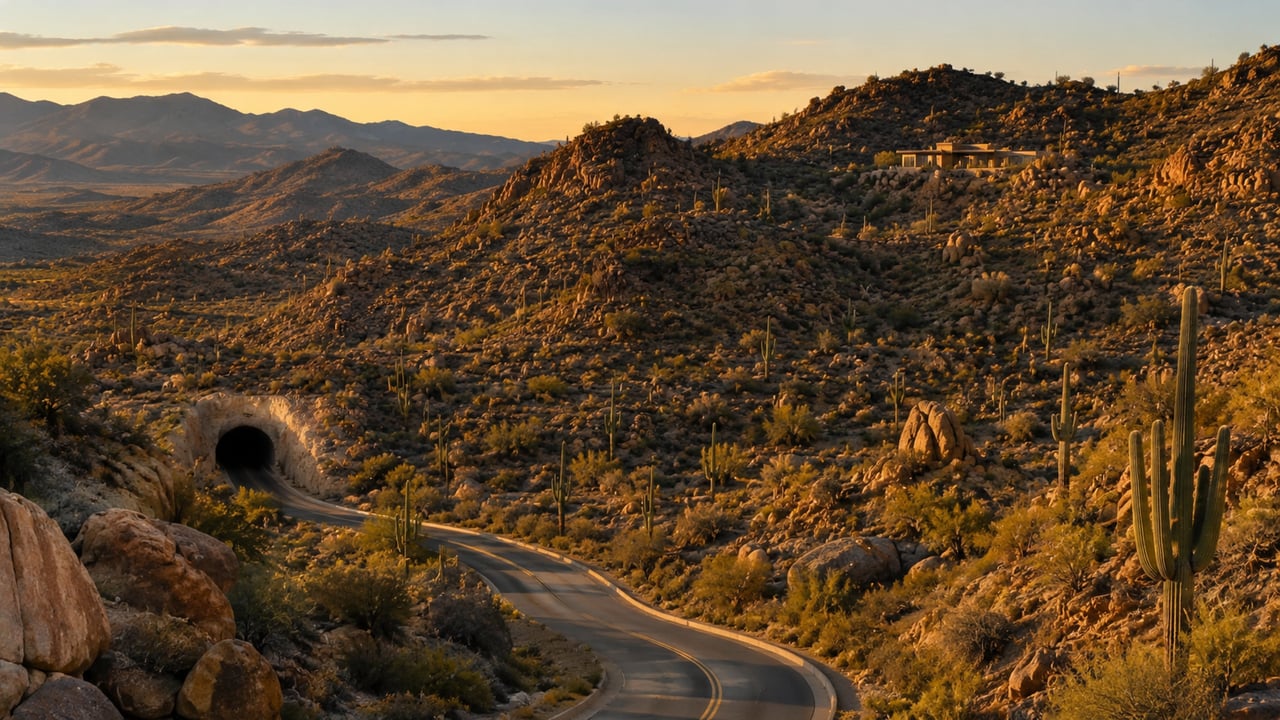
A striking view often drives the first emotional connection to a home site. In Tucson, that reaction makes sense. The city’s planning framework recognizes the area’s scenic setting, with mountain ranges in all directions, and includes tools like the Scenic Corridor Zone to help preserve views of prominent mountain ridge lines along designated scenic routes, as outlined in the Town of Marana planning resources.
Still, your first impression is only step one. A luxury view should be evaluated for width, depth, and permanence. You want to know whether the sightline opens across protected land or simply across vacant land that may look untouched today but could change later.
Check Jurisdiction First
One of the most important details is also one of the easiest to miss. Tucson and Marana are separate planning jurisdictions, and each uses its own plans, maps, and land-use tools. Which means your due diligence should match the parcel’s actual jurisdiction rather than relying on broad assumptions. In Saguaro Ranch you will be working with the Town of Marana.
This matters because future development, open-space policies, and plan amendments are reviewed through different systems. The city also has more than 50 adopted area and neighborhood plans that may influence open space, transportation, and future development patterns in specific locations, according to the Town of Marana plans page.
Evaluate Direction, Elevation, and Grading
A luxury home site view is never just about where you stand today. It is also about where the home will sit once it is designed and built. Marana’s design guidelines recommend orienting buildings to minimize visual barriers and using techniques like terracing, offsets, and roofline changes to preserve mountain-peak views.
That makes direction, elevation, and grading essential questions. If the final building pad requires major grading, the finished result may look and feel different from the natural view you experienced on your first visit. On sloping or hillside sites, county review materials focus on existing topography, finished-floor elevations, building height, and exposed slopes because those factors directly affect what remains visible after construction.
Questions to Ask on Site
When you tour a home site, keep your evaluation practical. Ask questions that connect the current view to the actual buildable outcome.
- What direction does the primary view face?
- Does the view open broadly, or does it rely on a narrow gap?
- Will the home site require substantial grading?
- Is the best sightline from the natural grade or from a future finished-floor elevation?
- Do slopes, ridgelines, or washes limit where the home can realistically sit?
These questions can help you separate a beautiful lot from a durable view lot.
Compare the View to the Buildable Area
One of the smartest ways to evaluate a Tucson luxury homesite is to compare the intended view to the actual buildable area. Town's guidance recommends clustering development on flatter areas, minimizing wash crossings, and preserving slopes and ridgelines. In practice, that means the place where you imagine the best terrace, great room, or pool deck may not always be the place where the home can actually go.
Town of Marana’s planning tools can also help you review topography, washes, roads, and site context before you assume a view corridor will remain open. The key takeaway is simple: do not judge the lot by the current vacant land alone. Judge it by the most likely building envelope and how the home will sit within it.
Look Beyond the Parcel Lines
A luxury view premium is often tied to what surrounds the home site, not just to the home site itself. That is why due diligence should extend beyond the property boundaries. You should understand the land-use category around the parcel, whether nearby acreage is already part of a specific plan, and whether a future rezoning or plan amendment could affect the sightline.
Understand Open Space Versus Vacant Land
This distinction is especially important in the Tucson market. Open space, conservation land, and protected viewsheds can make a premium view more durable. The Town of Marana’s long-range planning emphasizes preserving open-space areas and coordinating land-use decisions to protect natural and cultural resources.
Vacant land is different. A parcel may look beautifully open today, but that does not mean it will remain unchanged. When you evaluate a home site, try to identify whether your view crosses protected open space or land that may still be eligible for future development.
Visit the Home site After Dark
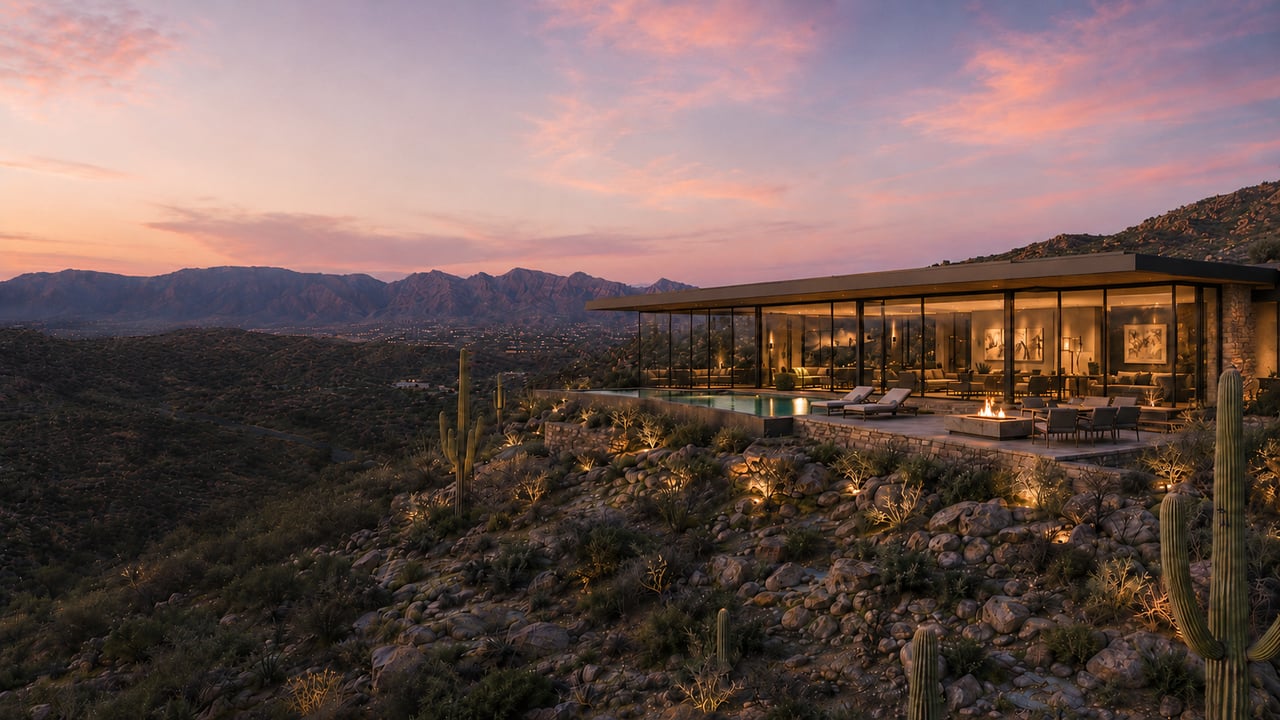
A great luxury view in Marana should work in the evening as well as in daylight. This is one of the region’s defining advantages. The Town of Marana has outdoor-lighting rules designed to preserve access to the dark night sky, reduce excessive lighting, and support the region’s astronomical and environmental goals.
That means you should not stop your evaluation at sunset. A home site may offer beautiful mountain views by day, but its nighttime experience could feel very different depending on surrounding light sources, shielding requirements, nearby development, and the lighting area in which it sits.
What to Notice in the Evening
When you revisit a lot after dark, pay attention to:
- Light spill from nearby roads or development
- Whether the sky feels dark and open
- The visibility of ridgelines and desert silhouettes
- Whether surrounding improvements create visual clutter
- How the site feels as a place to relax outdoors at night
In a market where night skies are part of the lifestyle appeal, this step can be just as important as your daytime tour.
Use a Three-Layer Evaluation Framework
If you want a simple way to compare Marana luxury home sites, evaluate each property in three layers.
Layer 1: What Is Visible Today
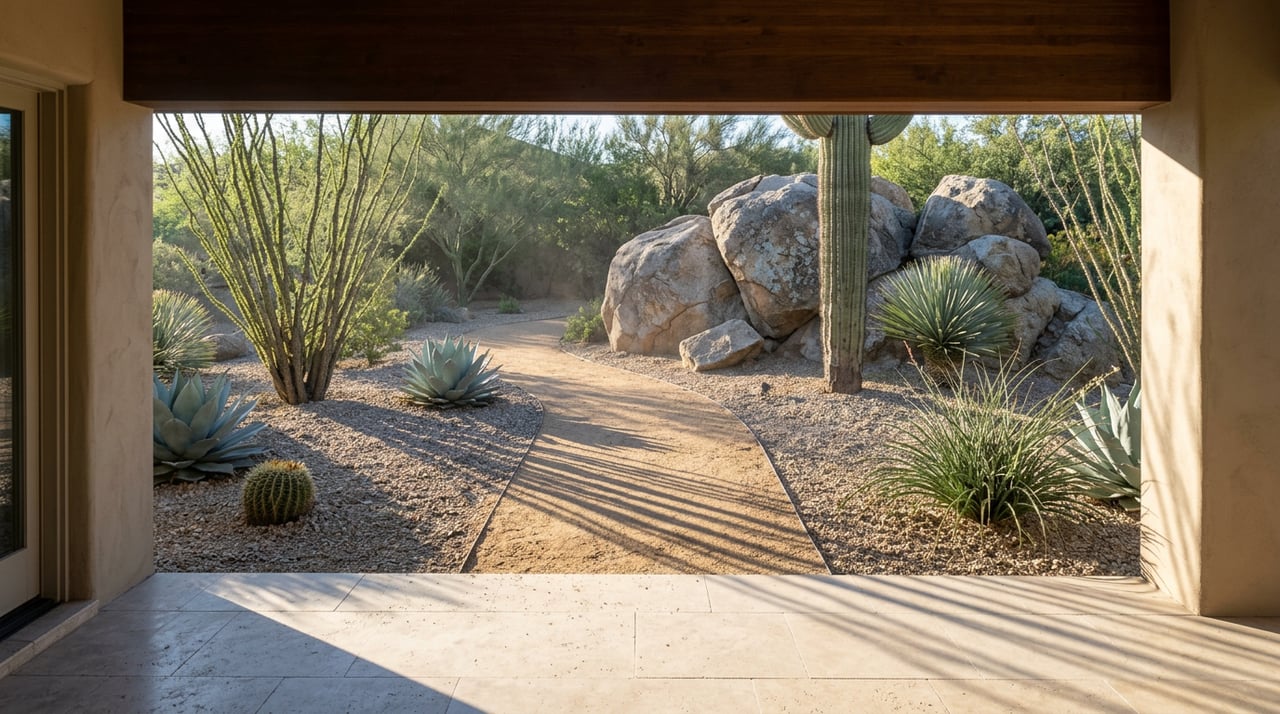
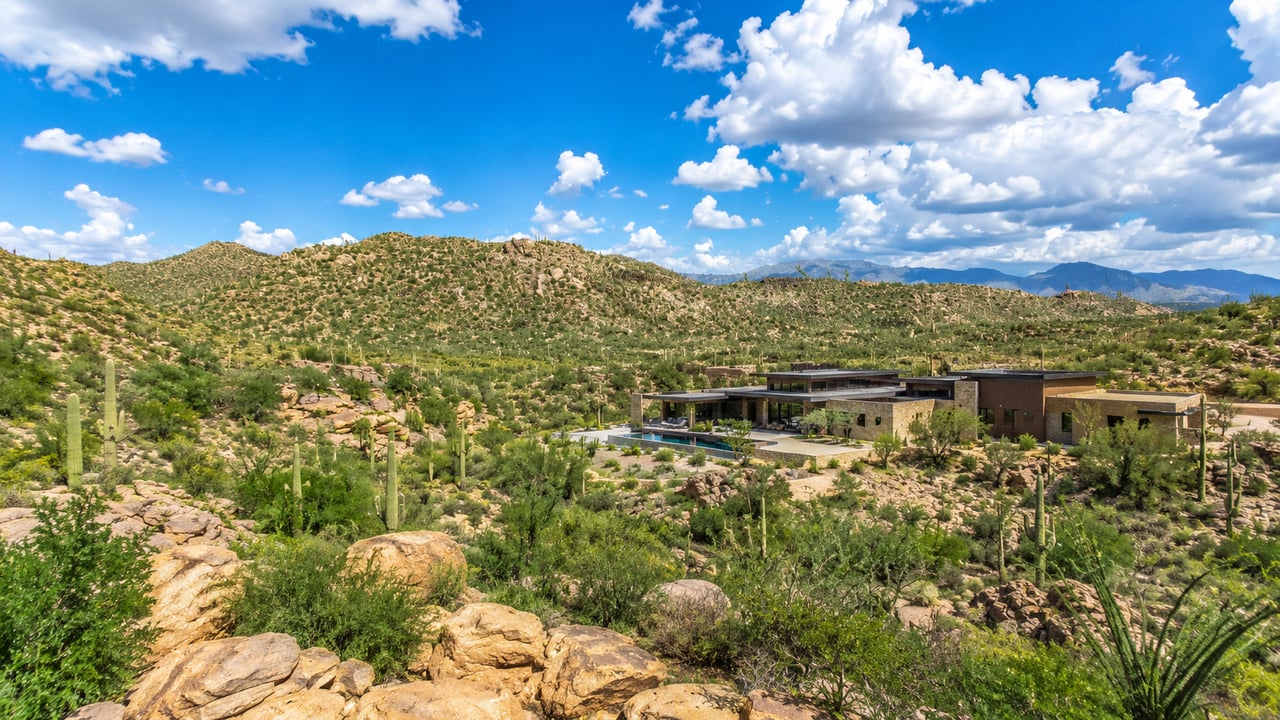
Start with the current panorama. Look at mountain ranges, ridgelines, washes, desert foreground, and the width of the view corridor. This is the emotional layer, and it matters.
Layer 2: What the Site Can Support
Next, test whether the home site can preserve that experience after design and construction. Consider topography, buildable area, finished-floor elevation, grading, and the likely placement of the home. This is where many lots separate into average and exceptional.
Layer 3: What Could Change Later
Finally, evaluate the surrounding planning context. Review land use, zoning, adopted plans, specific plans, and any signs of future change around the parcel. This is the layer that helps you judge long-term view durability.
The most durable Marana views are often the ones supported by open-space preservation, thoughtful grading, and planning conditions that align with the natural landscape.
Why Preservation-First Design Matters
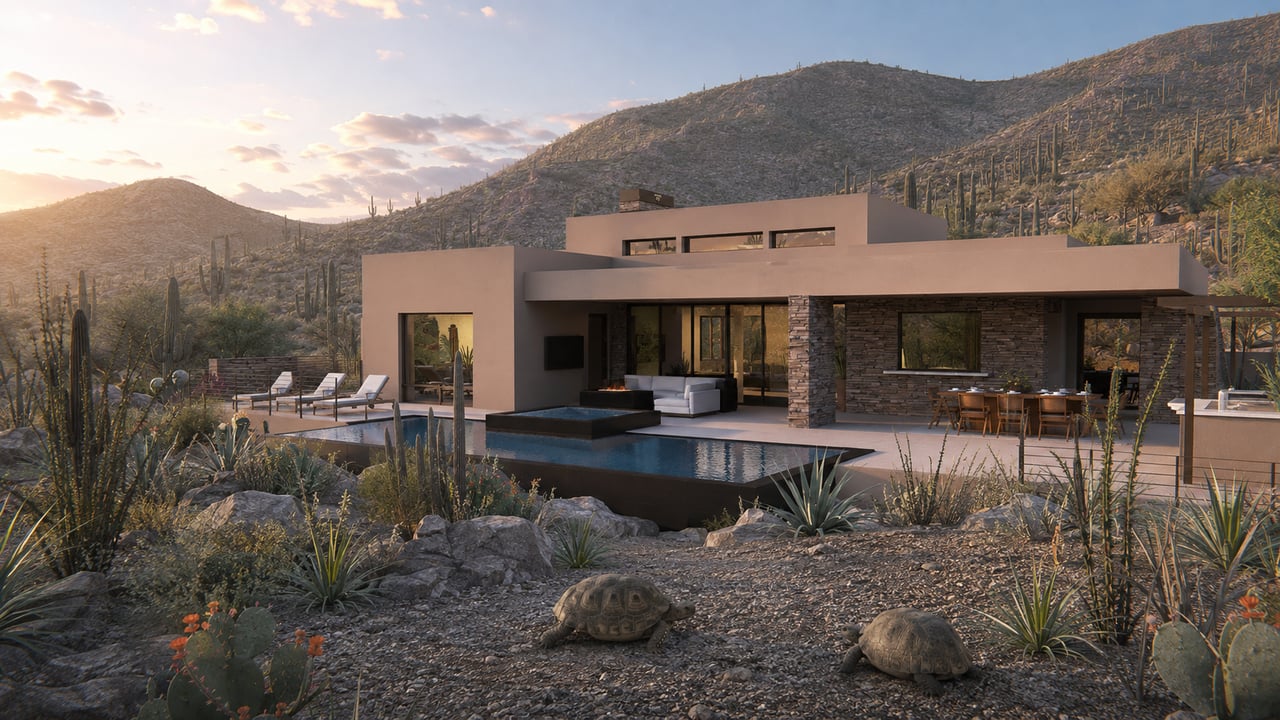
In the luxury market, the strongest view premiums usually come from communities and home sites that treat preservation as part of the design strategy. Low-profile architecture, reduced visual clutter, careful siting, and respect for topography can all support a stronger view experience over time. Tucson’s design guidelines point in that direction by emphasizing view corridors, ridgeline sensitivity, and context-aware placement of buildings.
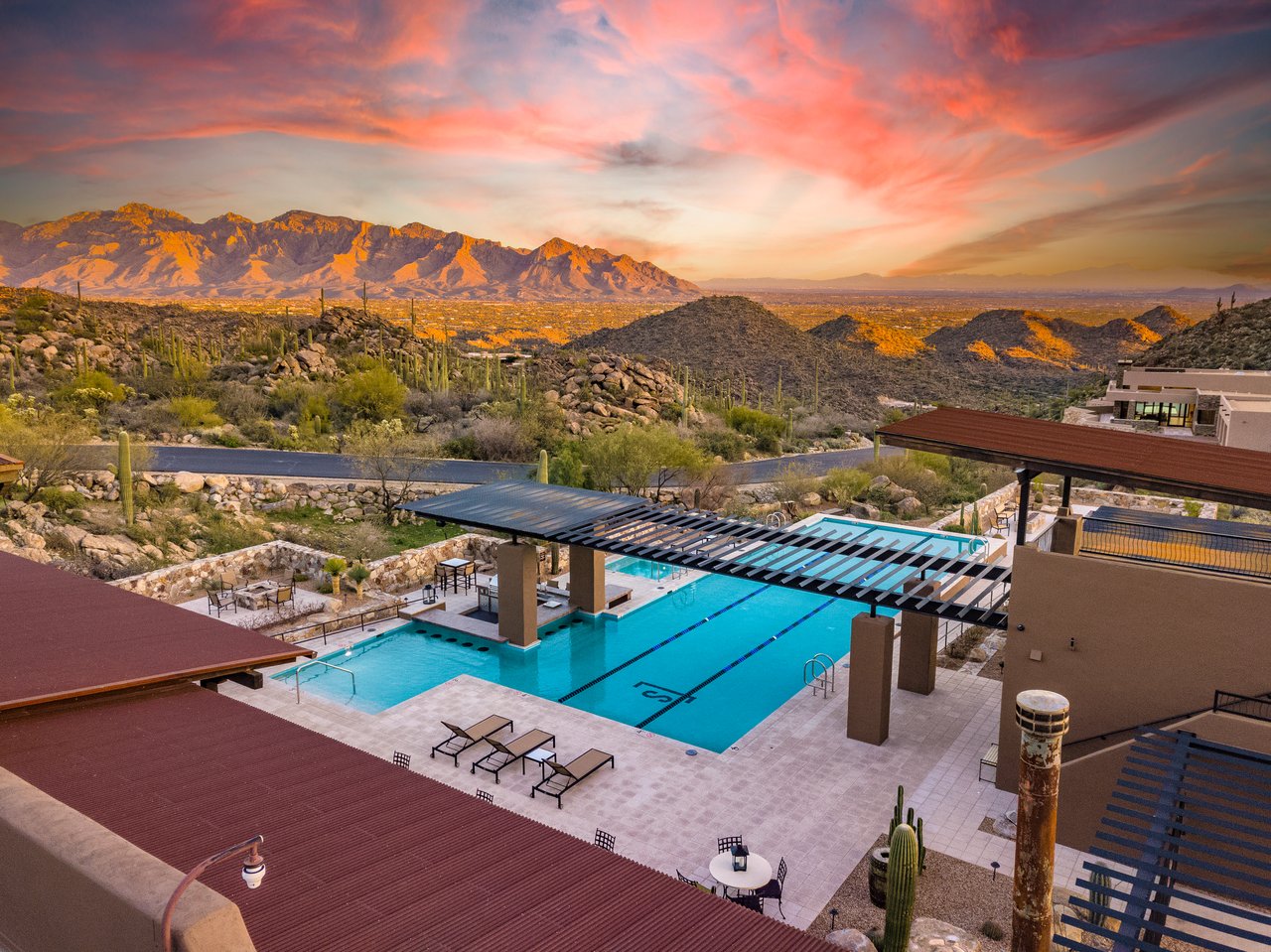
That same preservation-first mindset also shapes the experience at Saguaro Ranch, where curated home sites, dark-sky stewardship, and a strong emphasis on open space help buyers think beyond the first showing and focus on long-term enjoyment. If you are weighing a luxury home site in Marana, that is the real goal: not just finding a dramatic view, but finding one that stands up to time, design, and the surrounding land-use reality.
If you want help comparing home sites, understanding view durability, or exploring a preservation-first desert community, you can connect with Saguaro Ranch to schedule a private visit.
FAQs
How do you evaluate a luxury home site view in Marana?
- Start with the current panorama, then review the buildable area, grading, finished-floor elevation, and nearby land-use conditions that could affect the sightline later.
Why does jurisdiction matter for a Marana homesite view?
- The Town of Marana use different planning systems, maps, and adopted plans, so the parcel’s jurisdiction affects how future development and open-space issues should be reviewed.
What documents help verify whether a Marana view may change?
- A zoning verification letter, land-use legend, specific plan materials, and current plan-amendment files can help you understand what may affect nearby land over time.
Why should you visit a Marana luxury home site at night?
- The Town of Marana's dark-sky conditions are a major part of the ownership experience, and an evening visit helps you assess light spill, sky quality, and how the site feels after sunset.
What makes a Marana luxury view more durable?
- Views tend to be more durable when they are supported by protected open space, favorable planning context, careful grading, and design strategies that preserve ridgelines and mountain sightlines.