Shopping for land in Tucson? You will see parcels called “homesites” and others called “lots,” and the difference is not just wording. If you are planning a custom or semi-custom build near the Tortolita Mountains, those labels affect permits, design options, and your budget. In this guide, you will learn how the terms are used locally, why they matter for mountain-adjacent building, and the steps to verify what you are buying. Let’s dive in.
Homesite vs lot: Tucson usage
A lot is the legal term. It is a mapped portion of land shown on a recorded plat or described in a deed. County records, including the Pima County Assessor, Recorder, and GIS, reference lots or parcels using legal descriptions and parcel numbers. Listings often use “lot” as a neutral way to describe raw land that may or may not have infrastructure.
A homesite is a marketing and practical term. Developers and builders use “homesite” when a parcel is being sold as a building site. It often suggests a designated building envelope, a graded pad, utilities stubbed to the lot line, or a driveway. The exact meaning varies by project. It is not a substitute for the legal lot or parcel description and does not, by itself, guarantee improvements or approvals.
How local records describe property
Government documents in Pima County use legal language such as “lot,” “parcel,” or the metes and bounds description. “Homesite” appears in marketing materials and sometimes in community design guidelines or CC&Rs. Always rely on the recorded plat, deed, and title work for the legal status of the land.
Why the distinction matters in the foothills
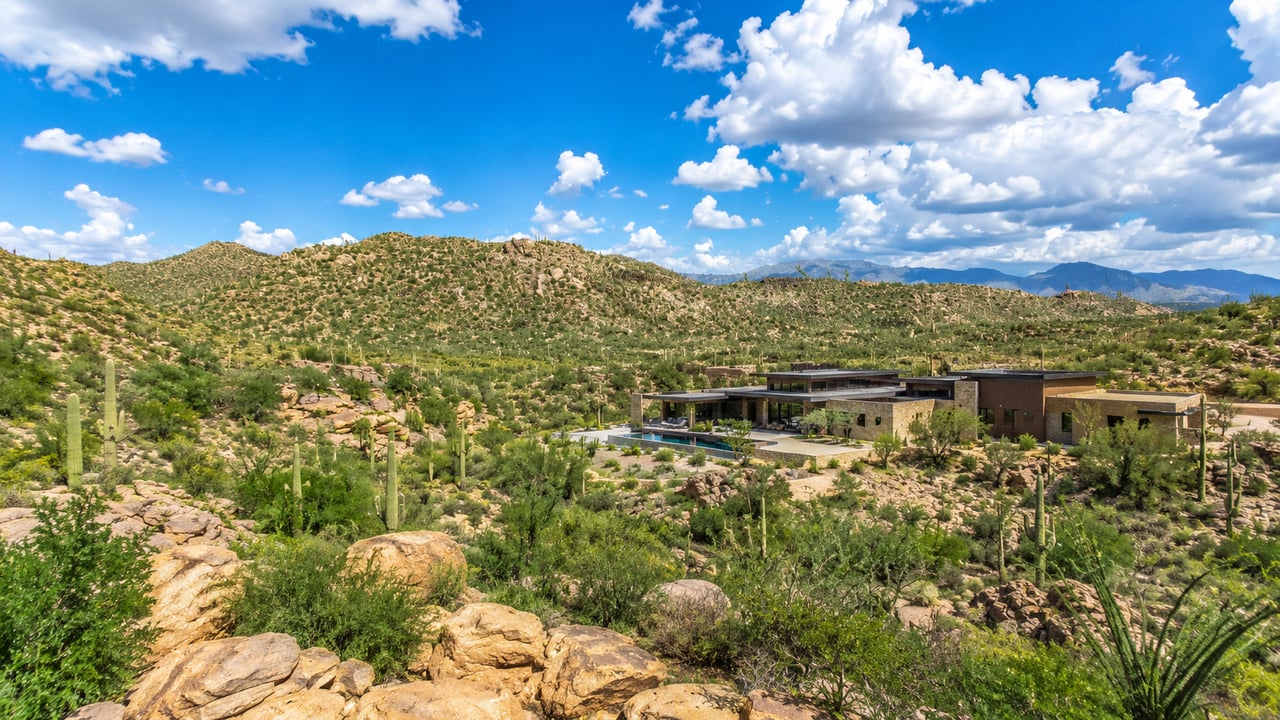
Building near the Tortolita Mountains introduces terrain, drainage, and access factors that affect cost and timing. A parcel marketed as a homesite may still require additional work, while a raw lot may have a longer path to shovel-ready status. Key areas to verify include the following.
Zoning, permits, grading, and hillside rules
Pima County Development Services sets zoning and development standards. Steeper slopes can trigger added reviews for grading, drainage, vegetation, and in some cases geotechnical and structural measures. A homesite on a slope may still need engineered retaining walls or specialized foundations.
Utilities and services
Service availability is location specific. Electricity and gas providers may charge extension fees if service is not at the lot line. Water can be municipal or from local providers, and some areas rely on private wells governed by Arizona Department of Water Resources. If sewer is not available, septic suitability and permitting go through Pima County Environmental Health. A homesite may include utility stubs; a raw lot may require full extensions and septic or well solutions.
Access, easements, and right of way
Confirm whether access is by public road or by private easement. Developer-built drives and private roads usually come with recorded maintenance obligations. Utility and drainage easements can limit where you can build. Wash setbacks may create no-build zones within a parcel.
Floodplain, washes, and drainage
Desert arroyos and washes are common in the foothills. FEMA flood maps and Pima County Flood Control standards identify flood zones and setbacks. Portions of a parcel can be in or near a wash, which reduces the buildable area even if the property is marketed as a homesite.
Soils and geology
Local soils range from collapsible and expansive clays to hard rock outcrops. Custom builders commonly require a geotechnical report before finalizing foundation design. Rock excavation and slope stabilization can be significant cost items.
Environmental and cultural resources
Protected species, native vegetation, and archaeological resources may require surveys and, in some cases, avoidance or mitigation. These steps add time and should be understood before you finalize plans.
CC&Rs and design guidelines
In custom and semi-custom communities, recorded CC&Rs often define building envelopes, design review steps, and site preparation standards. These rules can protect views and community character while setting clear expectations for your build.
What changes for cost and timeline
Raw lot
On a raw lot, you or your builder typically handle grading, driveway construction, utility extensions, and wastewater solutions. You should plan for geotechnical studies, drainage plans, and permitting through Pima County. The timeline is longer and sitework costs may vary based on subsurface conditions.
Marketed homesite
On a homesite described as improved, the seller may have completed a pad, driveway, or utility stubs, and recorded the building envelope. This can shorten time to permit and reduce early uncertainty. Always ask for a written list of completed improvements and confirm them against recorded documents and on-site inspections.
Design flexibility and constraints
Homesites in planned communities often have pre-set building envelopes and a design review process. This can streamline approvals but may limit footprint and materials. Raw lots can offer more freedom with a trade-off in permitting complexity and infrastructure responsibilities.
Builder preferences
Custom builders often favor improved homesites because site costs are easier to estimate. Semi-custom builders may offer packages tied to specific plans and will market available homesites that match their product range. Verify whether you must use an approved builder or can select your own.
Due Diligence Checklist for Town of Marana Buyers
Use this checklist whether the parcel is described as a lot or a homesite.
Legal and Title
-
Recorded plat or metes-and-bounds legal description
-
Assessor parcel number and current title commitment
-
Recorded easements and any listed title exceptions
Survey and Building Envelope
-
Current boundary or ALTA survey
-
Recorded building envelope or homesite area, if applicable
-
Lot corners, setbacks, and easements staked and verified on site
CC&Rs and Design Review
-
Recorded CC&Rs, design guidelines, architectural review requirements, and submittal timelines
-
Confirm whether approvals must be obtained before municipal permitting
Utilities and Services
-
Written confirmations from electric and gas providers regarding service availability and extension costs
-
Water provider confirmation including meter availability, tap fees, service type, and timeline; if a well is required, verify Arizona Department of Water Resources requirements
-
Sewer availability through the Town of Marana or confirmation of septic system requirements, including perc tests and approval through the appropriate authority
Permits and Site Studies
-
Any prior pad, grading, or erosion control permits and related engineering
-
Copies of previous geotechnical or soils reports
-
Plan to obtain a new geotechnical report if none exists or if conditions have changed
Floodplain, Washes, and Drainage
-
FEMA flood zone status and wash or drainage mapping specific to the parcel
-
Required setbacks, buffers, or hydrologic engineering if in or near a wash or special drainage area
Environmental and Cultural Considerations
-
Any reports related to protected native vegetation, saguaros, wildlife, or riparian habitat
-
Cultural resource studies, if required before grading or trenching
Access and Maintenance
-
Public versus private road designation and maintenance responsibilities
-
Verified access easements for driveways, utilities, and emergency response
Permitting Path and Contacts
-
Confirm zoning, hillside/steep-slope designations, and any special overlays
-
Verify required permits through the Town of Marana and identify review timelines and contacts
-
Identify whether additional approvals are required by the subdivision or private development authority
Builder and Budget
-
Preliminary line-item estimates for grading, retaining walls, utilities, and access improvements
-
Contract terms addressing sitework allowances, unforeseen conditions, and contingency funding
Verifying offerings at Saguaro Ranch
If you are comparing parcels within Saguaro Ranch or similar Tortolita-area communities, use a step-by-step approach.
- Ask for specifics in writing. Request a written list of what “homesite” includes in that community: pad, utilities, driveway, septic or sewer, and what remains your responsibility.
- Get the recorded documents. Obtain the recorded plat, CC&Rs, design guidelines, and a title commitment that shows easements and building envelopes.
- Confirm utilities in writing. Ask electricity, gas, and water providers to confirm whether service is at the lot line or requires extension, and request timing and fee estimates. Clarify sewer availability or septic needs.
- Check county records. Verify plat status, legal descriptions, and any grading permits with Pima County offices and mapping resources.
- Inspect the site. Order a boundary survey and, if warranted, a preliminary geotechnical review and percolation test. Match physical improvements to seller claims before closing.
- Protect yourself in the contract. Specify whether you are buying an improved homesite or a raw lot. List included improvements and add contingencies for permitability, utility availability, and acceptable site conditions.
Practical tips for Tortolita-area builds
- Treat “homesite” as an invitation to ask questions, not a promise. Ask which improvements are included, whether utilities are stubbed, and whether a pad is permitted.
- Verify wash setbacks and floodplain status early. Even a small wash can shift the buildable envelope.
- Order geotechnical studies before final plan pricing. Foundation and retaining wall costs often hinge on soil and rock conditions.
- Get utility confirmations in writing. Service availability and extension fees are project specific.
- Align design with CC&Rs and envelopes. Early coordination can save time in design review.
Key takeaways
- A lot is a legal parcel. A homesite is a marketing term that may imply improvements but does not replace the legal description.
- In the Tortolita foothills, topography, washes, and utilities make the distinction material to cost and timing.
- You can shorten your path to building by verifying recorded documents, utility letters, and site studies up front.
If you would like to explore curated homesites, pre-approved plans, and preferred builder options within a conservation-first community, connect with Saguaro Ranch to Schedule a Private Visit.
FAQs
What is the difference between a homesite and a lot in Tucson?
- A lot is the legal parcel shown on a recorded plat or in a deed. A homesite is a marketing term for a parcel promoted as a building site and may suggest improvements, but it has no single legal meaning.
Does calling a parcel a homesite guarantee utilities are on site?
- Not necessarily. Some homesites include stubbed utilities; others do not. Always request written confirmations from the utility providers about availability, location, and fees.
How do CC&Rs and design guidelines affect my custom home?
- CC&Rs can define building envelopes, materials, heights, and review steps. They may streamline approvals and protect views while limiting certain design choices.
What special issues should I expect near the Tortolita Mountains?
- Steeper slopes, rock excavation, wash setbacks, and sensitive desert habitat often lead to added geotechnical, drainage, and permitting requirements that affect cost and timing.
What documents should I review before buying a Tucson-area parcel?
- Review the recorded plat or legal description, title commitment, survey and building envelope, CC&Rs, utility letters, septic or sewer documentation, geotechnical reports, and floodplain and wash maps.