Designing a home in the Sonoran Desert requires a different playbook. You want a space that feels effortless in the summer, warm in the winter, and seamlessly connected to the views and starry night sky. In this guide, you will learn the essential design moves that work in Tucson’s climate and how pre-approved plans and Ron Robinette architects and RB Construction can help you move faster with confidence. Let’s dive in.
Tucson climate and site realities
Tucson lives with high solar exposure, hot summers, and mild winters. The sun drives most design decisions, especially how you orient rooms and position windows to shade glass. You also get strong day-to-night temperature swings, which make thermal mass a powerful tool when used correctly.
The monsoon season brings short, intense storms from July to September. Outdoor rooms and drainage need to handle wind-driven rain, splashback, and fast runoff. Low annual rainfall and long-term water constraints also mean xerioscape landscaping and smart irrigation are the norm.
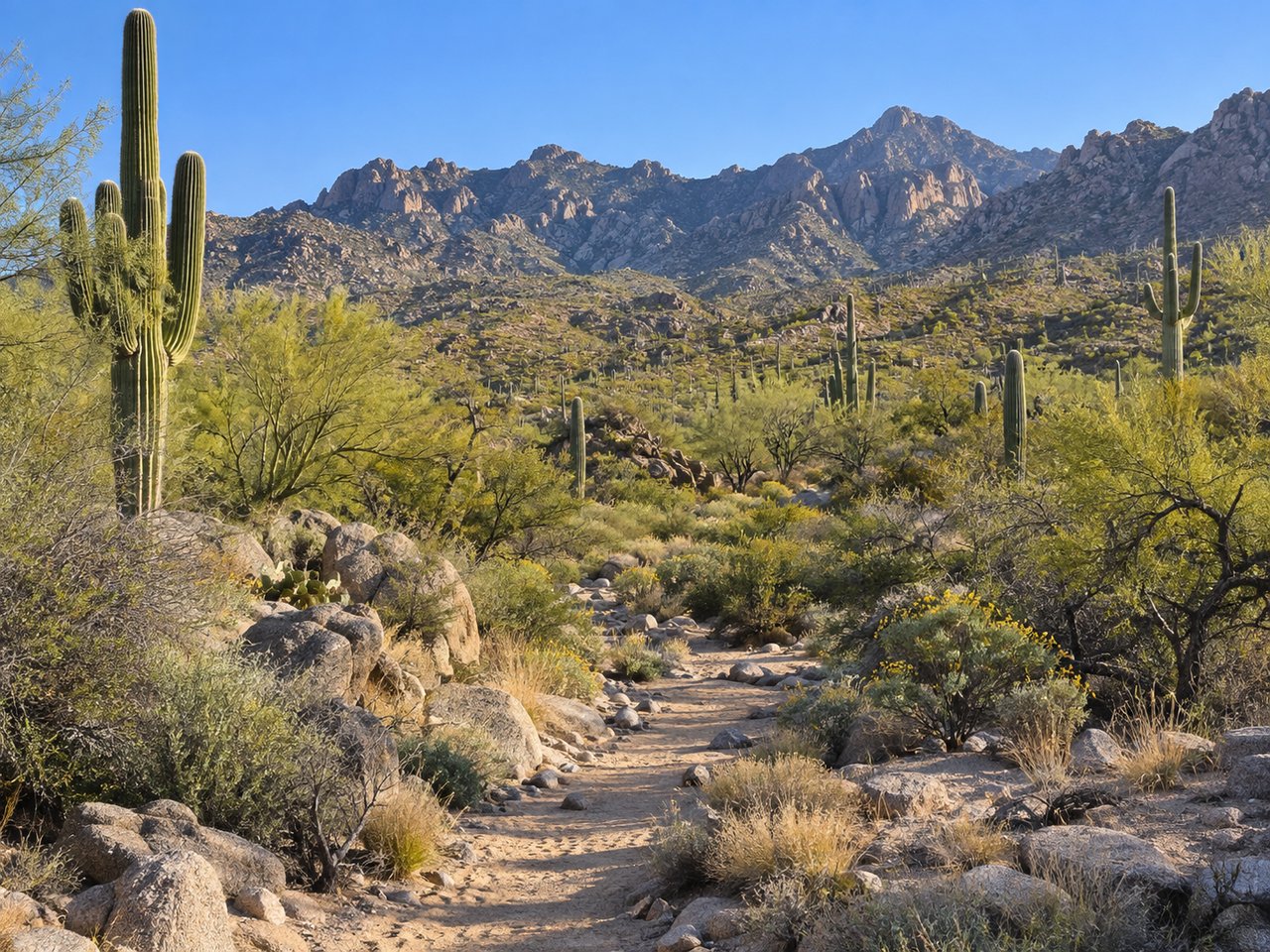
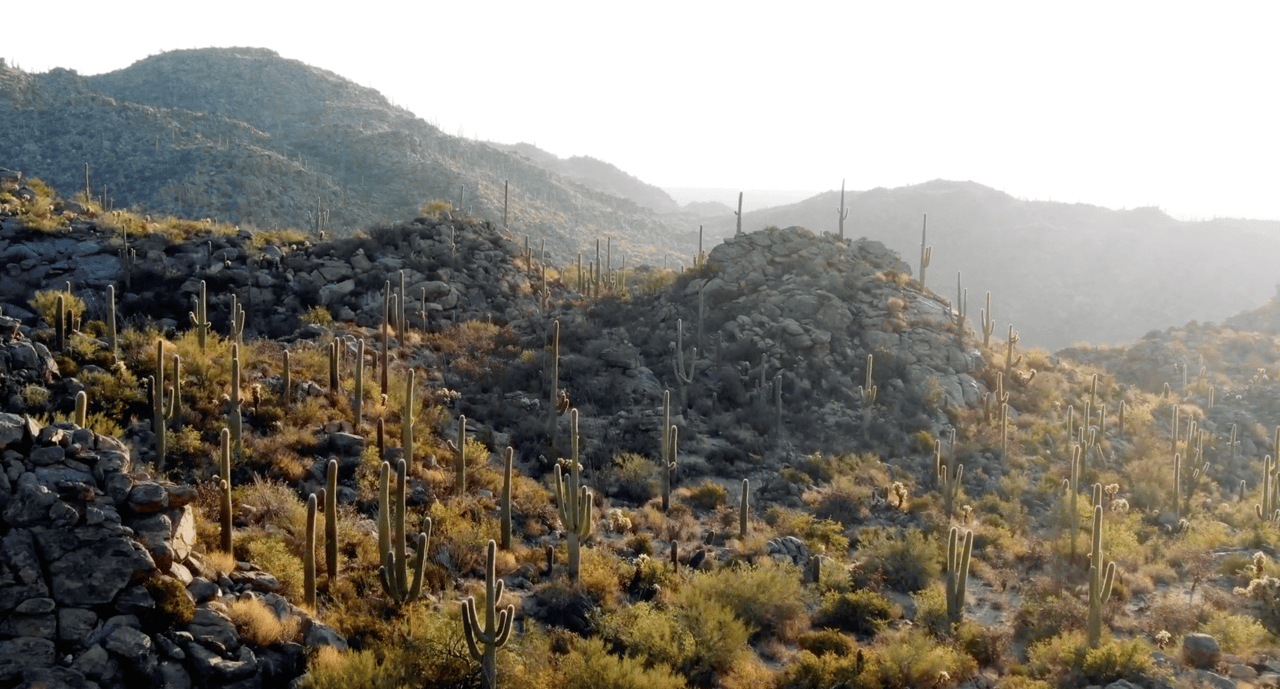
The Tortolita Mountains add slope, native rocky soils, boulder outcrops, and protected desert vegetation. Careful site planning helps you avoid heavy cutting and filling, preserve natural drainage, and keep the land’s character intact. Local guidelines and Design Guidelines influence the color palettes, rooflines, and the placement of homes on the land.
Core Sonoran design principles
Massing and orientation
Massing is the shape and size of your home’s volumes. In Tucson, you want compact forms on the west and southwest to block late-day heat. Place buffer spaces, such as garages, storage areas, or stairs, on the hot sides to protect primary rooms.
Limit large west-facing windows and favor shaded south, east, and north exposures. Break up long walls with courtyards, recessed entries, and shaded porches. These moves reduce heat gain and create comfortable outdoor microclimates you can use most of the year.
Materials and assemblies
Heavy, durable materials are a hallmark of Sonoran architecture. Consider options such as Adobe or stabilized earth, insulated masonry, or concrete, with stucco applied over well-insulated framing. These choices pair well with earth-tone finishes that visually blend with the desert and moderate heat.
Thermal mass helps you capture cool night air and smooth daytime peaks. When using lighter framing, prioritize continuous exterior insulation, airtightness, and radiant barriers where applicable. Detail for UV, termites, and monsoon rain, and lean on materials familiar to local builders for predictable quality and cost.
Shade and microclimate control
Shade is a primary design element, not an afterthought. Use deep overhangs, recessed openings, porches, pergolas, and trellises to control sun angles throughout the day. Shade structures can be fixed or seasonal with vine-covered trellises.
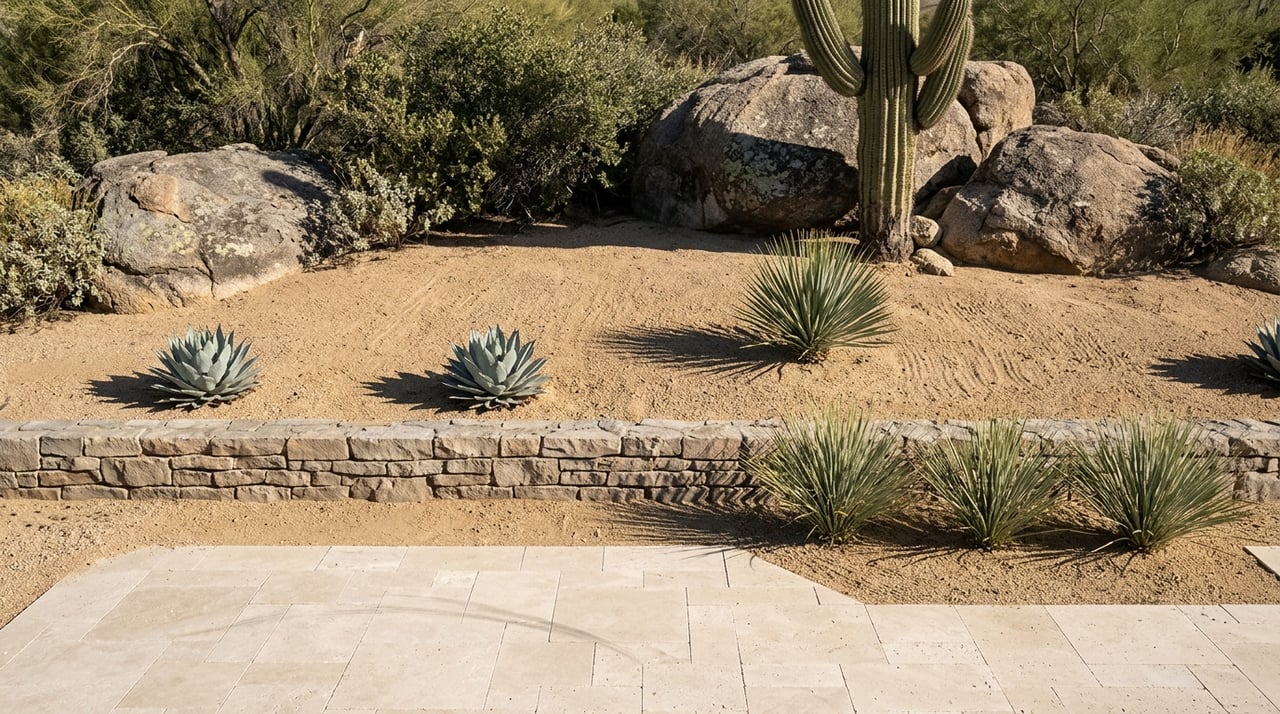
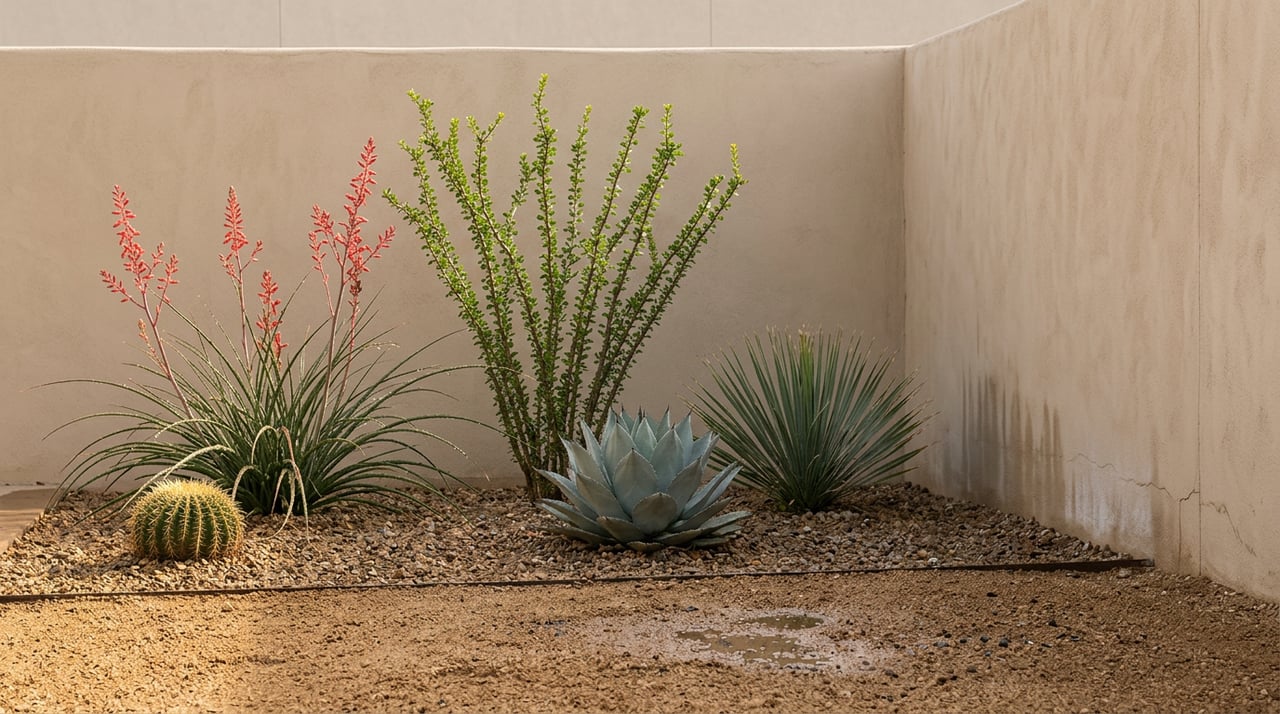
Landscaping matters too. Place canopy or native trees to shade walls and glass while keeping water use low. Courtyards, porous paving, and modest water features can temper reflected heat and create cooler outdoor rooms, especially when paired with airflow and overhead protection.
Indoor–outdoor flow
A Tucson home should open easily to the outside while staying protected. Large sliders or folding doors are best suited for areas with generous shade. Roofed patios, breezeways, and transitional rooms let you enjoy the air and views without the harshest sun.
Plan for the monsoon rain and dust. Design covered, drained outdoor areas, and durable finishes that are easy to clean. On hilltop lots, set outdoor rooms to frame view corridors while preserving privacy from neighbors and the street.
Windows and ventilation
Keep west-facing glass small and heavily shaded. Use controlled south glass for winter warmth when it makes sense, and moderate east exposures. High-performance glazing with low-e coatings and the optimal solar heat gain coefficient, tailored to orientation, helps maintain comfortable interiors.
Cross ventilation and stack effect strategies work during shoulder seasons and cooler nights. Mechanical cooling remains essential for extended periods of the year, so a tight, shaded envelope helps your system work more efficiently and last longer.
Site planning and local approvals
Sloped hilltop sites benefit from careful placement to minimize cuts and preserve natural drainage. Plan for the monsoon runoff with thoughtful grading, retention swales, and properly sized drainage elements. Keep native vegetation wherever possible to reduce erosion and support habitat.
Setbacks, height limits, and neighborhood guidelines often shape massing and color choices. Some parcels include conservation overlays or easements that guide how and where you can build. For local permitting, code, and plan review, start with the Town of Marana and Pima County Planning and Development resources.
Energy code compliance affects insulation, glazing, and HVAC sizing. If you want to delve deeper into climate-specific design strategies, explore research from the University of Arizona College of Architecture, Planning, and Landscape Architecture, as well as guidance on hot-dry climates from the U.S. Department of Energy.
Faster paths to a better desert home
What pre-approved plans are
Pre-approved plans are designs that the Town of Marana or POA has already reviewed for basic compliance. In jurisdictions that recognize these plans, you can streamline certain review steps. You also receive clearer pricing from builders when plans are well-documented.
That said, pre-approved plans still need site-specific adaptation. Your lot’s slope, views, soils, and drainage are unique. Expect a vetted local architect to tune orientation, overhangs, and foundations to fit your land.
Why a vetted local architect matters
A local architect understands Tucson’s sun paths, monsoon patterns, and the realities of water scarcity. That expertise helps you place massing wisely, size shade correctly, and select assemblies that perform here. It also streamlines permitting and coordination with local contractors.
You gain fluency with energy code requirements and neighborhood review processes. You also reduce risk by working with teams that know which materials and details are most resilient in this climate.
Your high-level project roadmap
- Pre-purchase due diligence: Study topography, easements, HOA rules, and any conservation overlays. Order a soil report if the lot is sloped or has complex topography.
- Concept and schematic: Set orientation, massing, and an initial material palette. Use sun-path and shadow studies to size overhangs and tune courtyards.
- Design development and documentation: Produce drawings that integrate code, energy targets, drainage, and landscape.
- Permitting: Submit to the city or county and to your HOA if required. Utilize pre-approved components where permitted to expedite the review process.
- Construction and closeout: Sequence work around the monsoon season for smoother excavation and roofing.
Smart questions to ask your team
- How will you reduce west-facing heat gain through massing and shade?
- What wall and roof assemblies do you recommend for Tucson’s hot-dry climate?
- How will you size and detail overhangs, trellises, and courtyards for seasonal sun control?
- How will you manage stormwater on this specific lot and protect natural drainage?
- What is your permitting process with local authorities and my HOA, and how long does it typically take?
- Which local builders do you recommend for these assemblies and finishes?
How Saguaro Ranch simplifies the journey
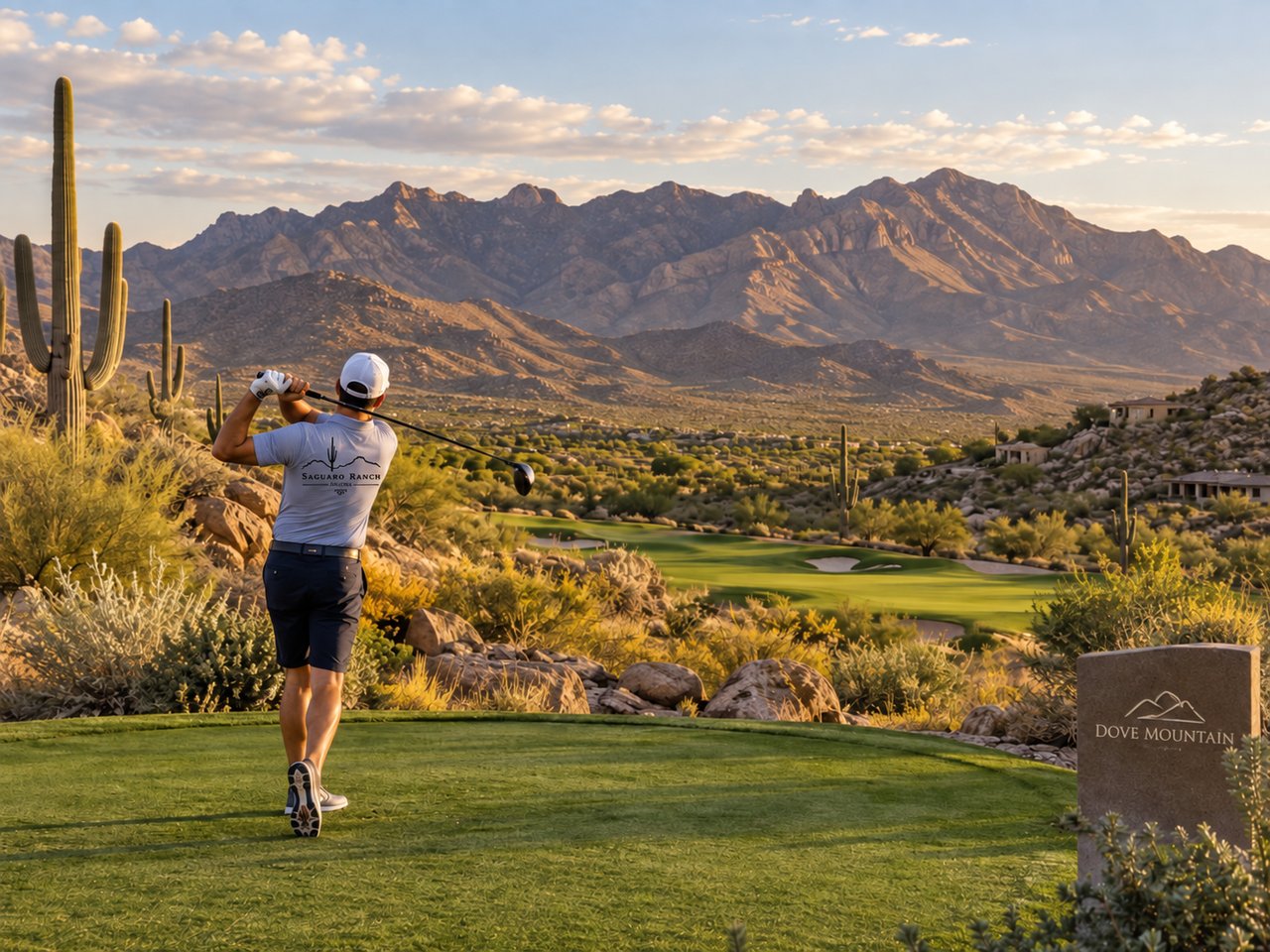
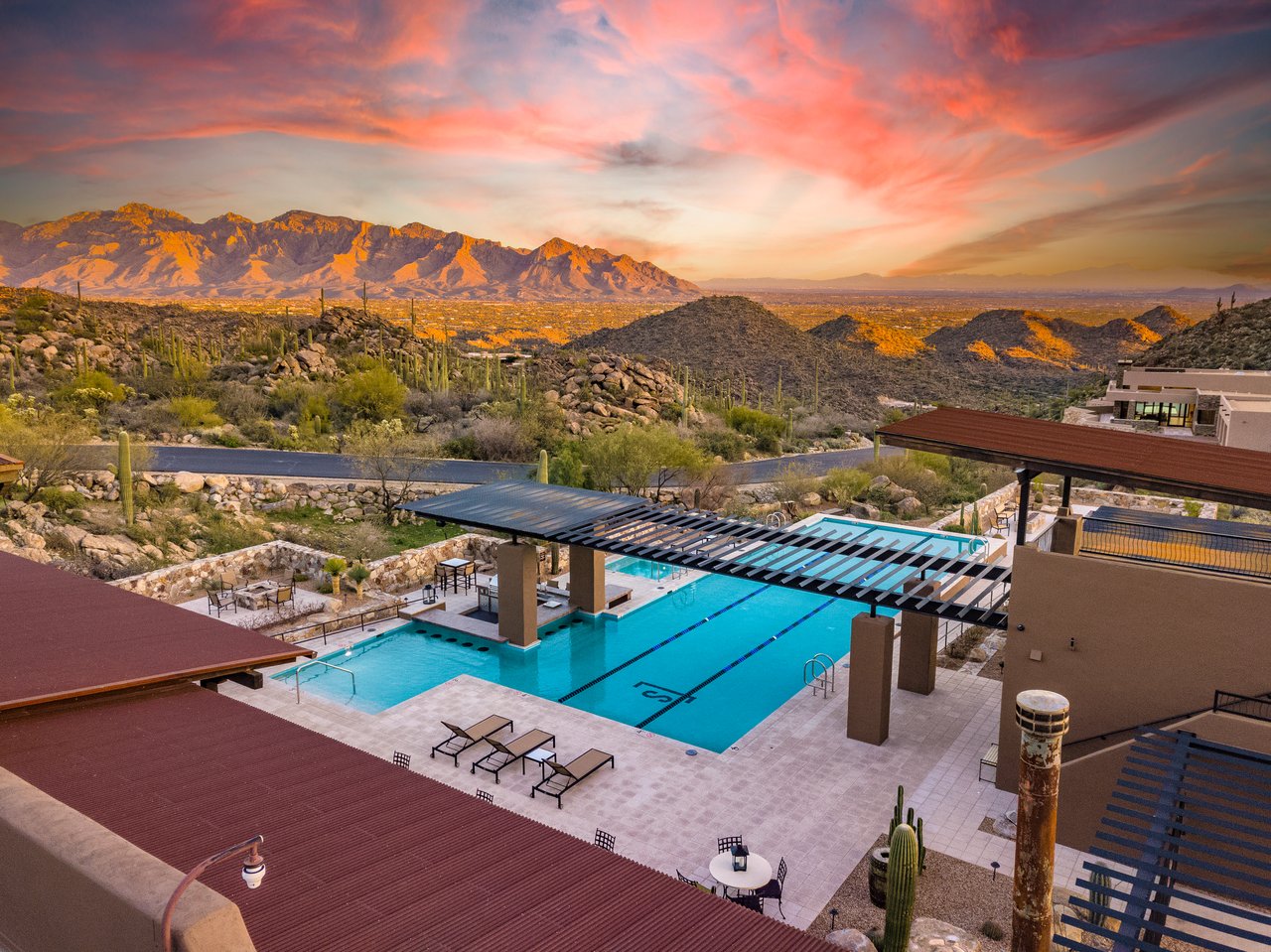
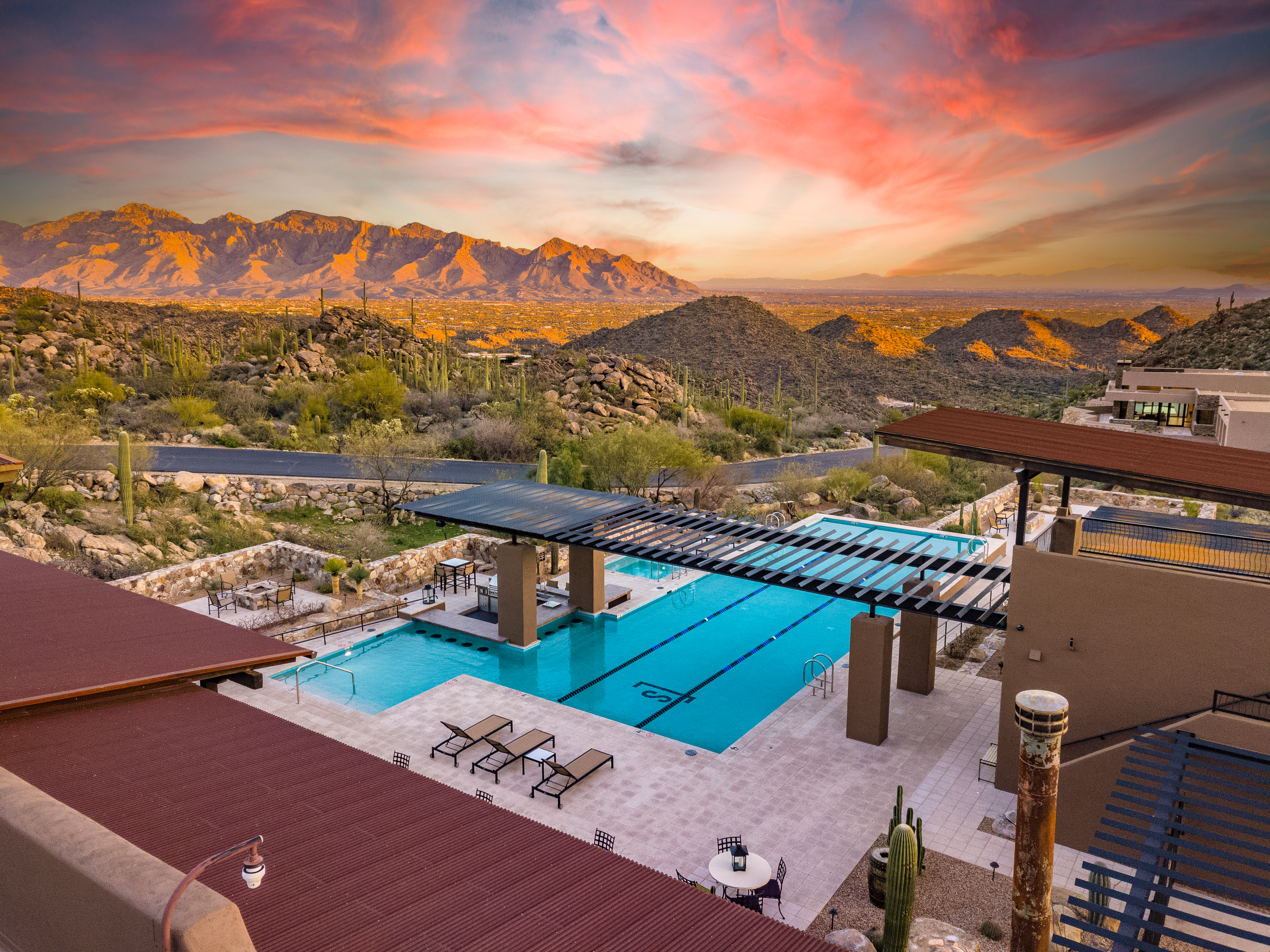
If you prefer a curated path, Saguaro Ranch, located in the Tortolita Mountains, brings together land, architecture, and building under one stewardship-minded umbrella. The community protects roughly 80 percent of its acreage as undisturbed open space, so each homesite sits within a preserved Sonoran landscape. You can select from one- to multi-acre lots, including those in Moonlight Canyon and larger estate parcels, that prioritize privacy and scenic view corridors.
Saguaro Ranch offers pre-approved semi-custom plans and works with Robinette Architects and RB Construction. These models help shorten design and delivery timelines while maintaining architectural integrity. Owners also enjoy an amenity-forward lifestyle with a private clubhouse that supports daily wellness and community connection.
Ready to explore a site that honors the land and accelerates great design outcomes? Schedule a private visit with Saguaro Ranch to walk the homesites and learn how curated plans and local teams can bring your desert home to life.
FAQs
What makes Tucson’s climate unique for home design?
- High solar exposure, hot summers, mild winters, strong day-night temperature swings, and a monsoon season that demands robust shade and drainage strategies.
How should I orient a Tucson home for comfort and efficiency?
- Minimize west-facing glass, favor shaded south, east, and north exposures, and use compact massing with buffer rooms on the hot sides.
Which materials work best in the Sonoran Desert?
- Heavy masonry or concrete for thermal mass, well-insulated framing with continuous exterior insulation, and earth-tone finishes that perform in high UV.
How do I design outdoor living spaces for the monsoon season?
- Create covered, well-drained outdoor rooms, recessed openings, and use durable finishes. Plan for wind-driven rain and easy cleaning.
What glazing specs are smart for Tucson homes?
- Double glazing with low-e coatings, SHGC tuned by orientation, thermally broken frames, and careful air sealing to reduce heat gain.
Will pre-approved plans speed up my project?
- They can shorten certain reviews and clarify pricing, but you still need site-specific adaptations for factors such as slope, views, soils, and drainage.
Why hire a local architect instead of using a standard plan?
- Local expertise ensures climate-responsive massing, correct shading, code compliance, and smoother coordination with permitting and builders.
What should I check before buying a foothill lot?
- Topography, easements, HOA rules, conservation overlays, and soil conditions, plus access, drainage patterns, and view corridors.
Where can I find information on Tucson's permitting and conservation requirements?
- Start with the Town of Marana for permits and Pima County resources for conservation and county regulations.