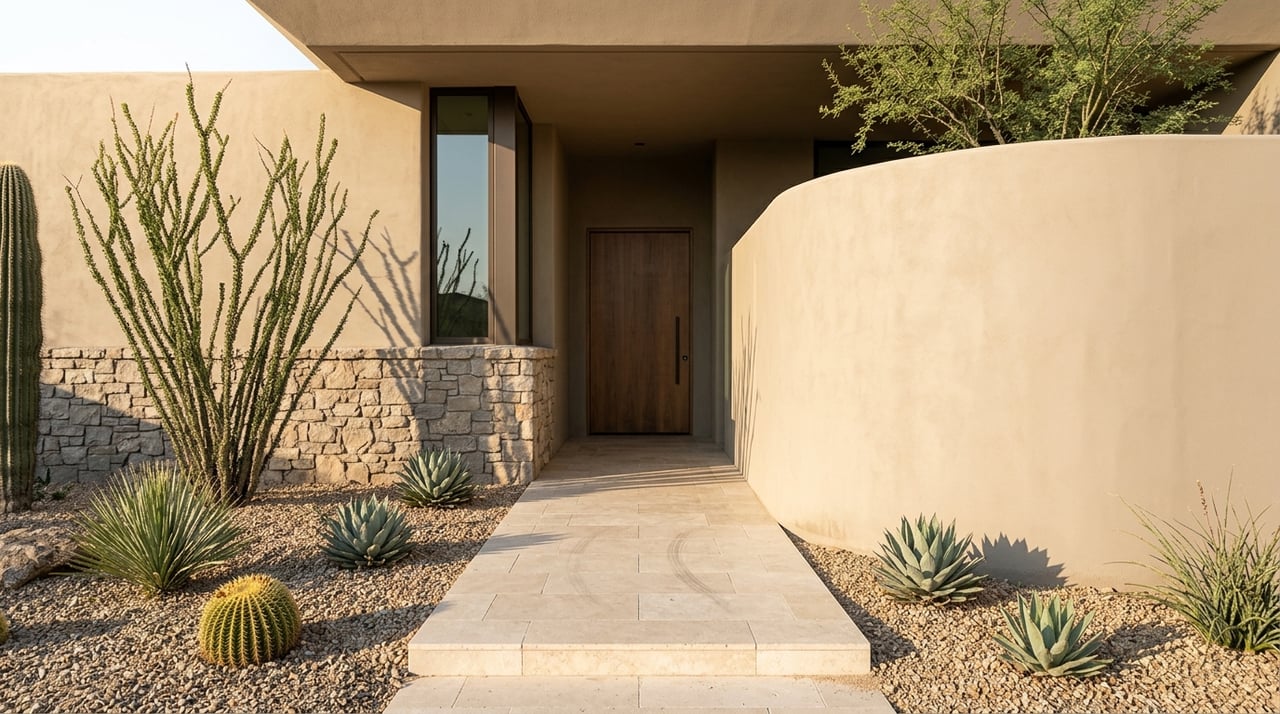
If you are thinking about buying a luxury homesite in Tucson, you are not just choosing dirt on a map. You are choosing views, privacy, design possibilities, and the kind of daily life you want to create in the Sonoran Desert. This guide walks you through what to expect from reservation to closing at a curated mountain community like Saguaro Ranch, so you can move forward with more clarity and confidence. Let’s dive in.
Start With the Bigger Picture
Buying a homesite is different from buying a move-in-ready home. In most cases, closing on the lot is only the first milestone, because design review, plan approval, permitting, and construction come next.
That matters even more in Northwest Tucson, where topography, access, utilities, and design standards can shape both your timeline and your final home. A thoughtful purchase process helps you match the homesite to your goals before you commit.
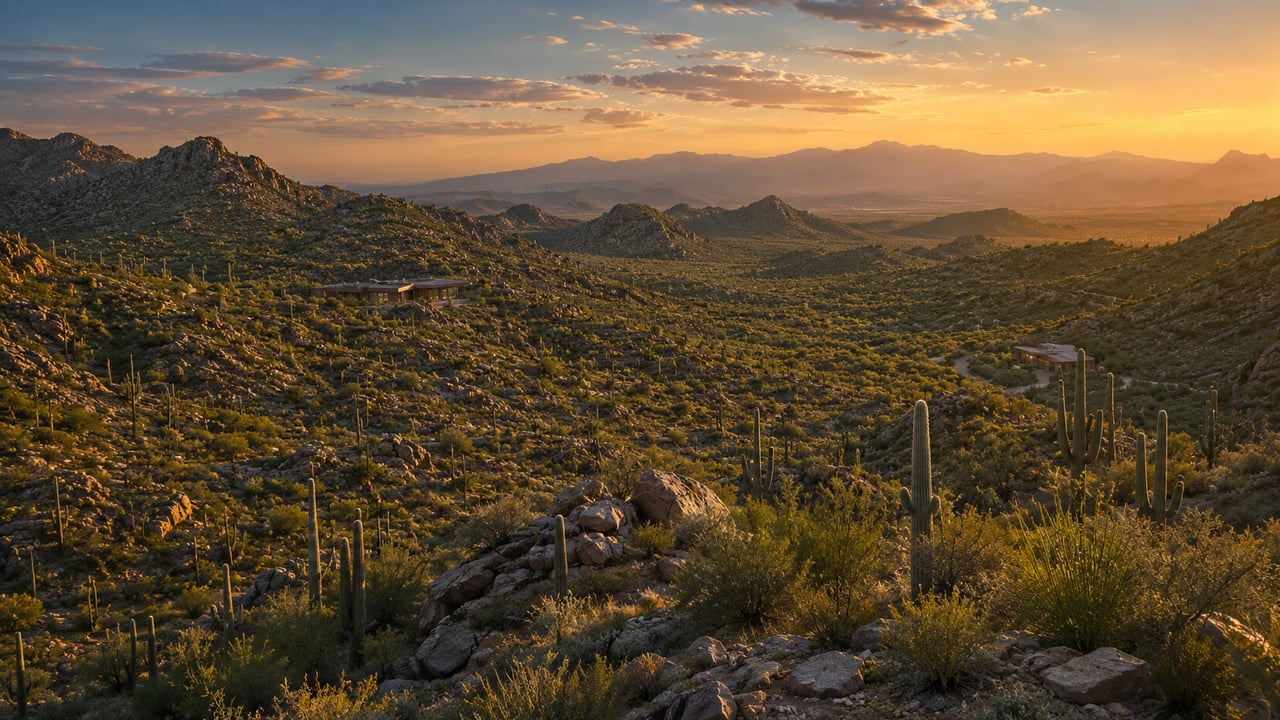
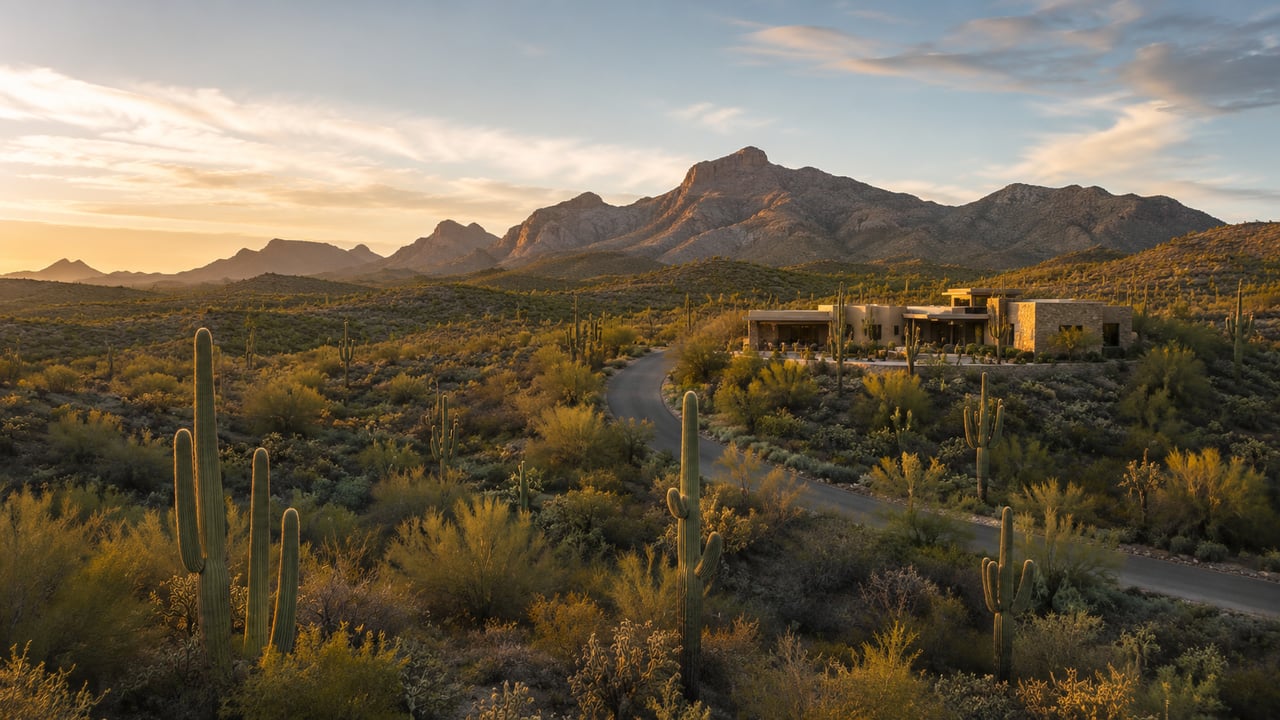
At Saguaro Ranch, that process is designed to be guided and relationship-based. The community spans more than 1,200 acres in the Tortolita Mountains, with about 80% of the land left undisturbed, so the decision is about preservation, architecture, and lifestyle as much as it is about acreage.
What a Reservation Usually Means
A reservation is best understood as an early step, not the final transfer of ownership. In a luxury homesite setting, it often functions as a short holding period while the formal purchase documents are prepared and reviewed.
In Arizona, the legally important step is the public report plus the executed purchase contract. The Arizona Department of Real Estate says the subdivision public report must be provided before the contract is signed, and buyers should sign a receipt for it.
For unimproved lots, Arizona also provides a 7-calendar-day rescission period after contract execution. If you did not inspect the lot before signing, state guidance notes a six-month post-signing inspection and right-to-rescind period may apply.
Plan a Guided Visit First
Before you reserve anything, a guided visit can help you understand how a homesite actually lives. That includes the approach, the orientation, the grade, the views, and how the parcel relates to roads, neighboring homesites, and open desert.
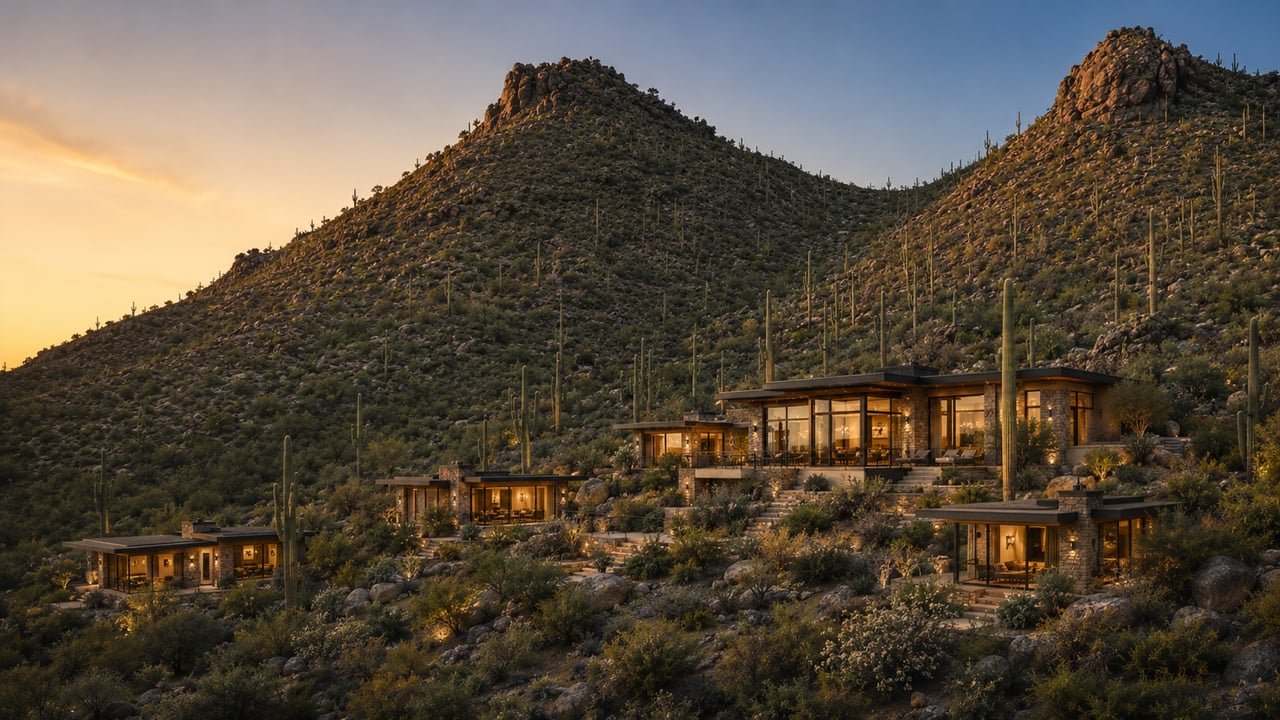
At Saguaro Ranch, buyers can arrange private showings or visit the Sales Center. That curated process fits the nature of the product, especially in Moonlight Canyon, where the homesites are part of a planned luxury release rather than a typical self-service land search.
This is also the right time to compare your build options. Saguaro Ranch markets Robinette-designed plans as well as fully custom homes that meet architectural guidelines, which can affect your timeline, approval path, and budgeting from the start.
Compare Homesite Fit, Not Just Price
A luxury homesite purchase should be evaluated through several lenses at once. Price is only one piece of the decision.
You will also want to consider how the lot supports the home you want to build and the lifestyle you want to enjoy. In a preservation-focused community, that may include privacy, usable outdoor space, arrival experience, and how the home will sit within the terrain.
Here are a few practical points to compare during your visit:
- Parcel size and shape
- Slope and buildable area
- Access and driveway approach
- Easements and boundaries
- View corridors and orientation
- Relationship to trails, roads, and nearby homesites
- Architectural guidelines and design flexibility
- Utility service sources and future obligations
Moonlight Canyon Phase 2 includes 43 planned homesites, with about eight still available according to the community’s published materials. Saguaro Ranch also describes larger estate lots at approximately four acres, which may appeal if you want a broader building envelope and more separation.
Review the Public Report and Contract Carefully
Once you move from interest to contract, your due diligence becomes more formal. Arizona requires that buyers receive the subdivision public report before signing the purchase contract.
This report is important because it helps you verify the legal and practical framework around the lot sale. It should be reviewed alongside the purchase contract and any related addenda so you understand what is included, what is required, and what comes next.
For luxury homesites, this is also a good point to review any design guidelines, builder-related documents, or plan approval expectations. If you want a deeper legal review, the State Bar of Arizona notes that buyers can use its member directory, and the Pima County Bar offers a lawyer-referral service for a 30-minute consultation.
Focus on Tucson-Area Due Diligence
In the Tucson area, vacant land due diligence should go beyond a visual tour. Mountain and desert parcels can be beautiful, but they also require careful verification.
Pima County provides tools through Land Planning and Regulation, including Pima Maps, zoning research, and zoning verification letters. Those resources can help you confirm zoning, parcel geometry, and practical development questions before closing.
For a homesite in the Tortolita Mountains, key questions often include boundaries, access, easements, slope, setbacks, and whether additional design review will shape what you can build. These are not minor details. They directly affect the home design, site planning, and overall cost of moving from lot ownership to a finished residence.
Verify Water and Utility Sources Early
In Southern Arizona, water and utilities deserve special attention. The Arizona Department of Real Estate specifically tells buyers to ask about the source of utility services and any future obligations.
ADRE also advises buyers to review the Arizona Department of Water Resources water report. That is especially important when you are buying an unimproved lot and planning to build after closing rather than moving into an already-completed home.
Water availability is one of the biggest local checkpoints for land buyers. Confirming service sources early can help you avoid surprises later in design, permitting, or construction budgeting.
Understand Title, Escrow, and County Records
Arizona law requires a preliminary title report and related documents in the escrow package for unimproved lot sales. That gives you a chance to review recorded matters that may affect ownership or use.
It also helps to understand the separate county roles. In Pima County, the Assessor handles valuation and parcel records, while the Recorder maintains deeds and other recorded documents.
You can use the Assessor portal to verify parcel-level property data and the Recorder to confirm what has been recorded. At closing, contract and deed materials are deposited with escrow and recorded in the county where the subdivision is located.
Bring Your Lender in Early
If you plan to finance the purchase, involve your lender sooner rather than later. Land and construction financing often work differently from a standard mortgage.
Construction loans can cover land, labor, permits, and materials, and they often require detailed plans, budgets, and timelines. That means your lender may need more project documentation than you expect, especially if you plan to move from lot purchase into home construction on a coordinated schedule.
Timing matters here. Industry guidance notes that the design phase often takes 3 to 6 months, and construction usually takes at least 12 to 16 months, so your lot closing may be the beginning of a much longer process.
Know the Roles on Your Side
A smooth homesite purchase usually depends on a few key professionals working together. Each one supports a different part of the process.
Agent Role
Your agent helps you shortlist homesites, compare release timing and pricing, coordinate a guided visit, and think through resale and build considerations. For many buyers, this is especially helpful because land purchases come with questions that do not usually arise in a standard home purchase.
Attorney Role
An attorney can help if you want a close review of the purchase contract, title report, design guidelines, and any reservation or builder-related addenda. This can be particularly useful in a custom or semi-custom luxury setting.
Lender Role
Your lender helps you understand whether lot financing, construction financing, or a combined approach fits your plan. The earlier you clarify that path, the easier it is to align your homesite choice with your budget and timeline.
Closing Is a Milestone, Not the Finish Line
When closing day arrives, the legal transfer is an important step, but it is rarely the end of the story with a luxury homesite. If you intend to build, closing is often followed by design review, plan approval, and permitting.
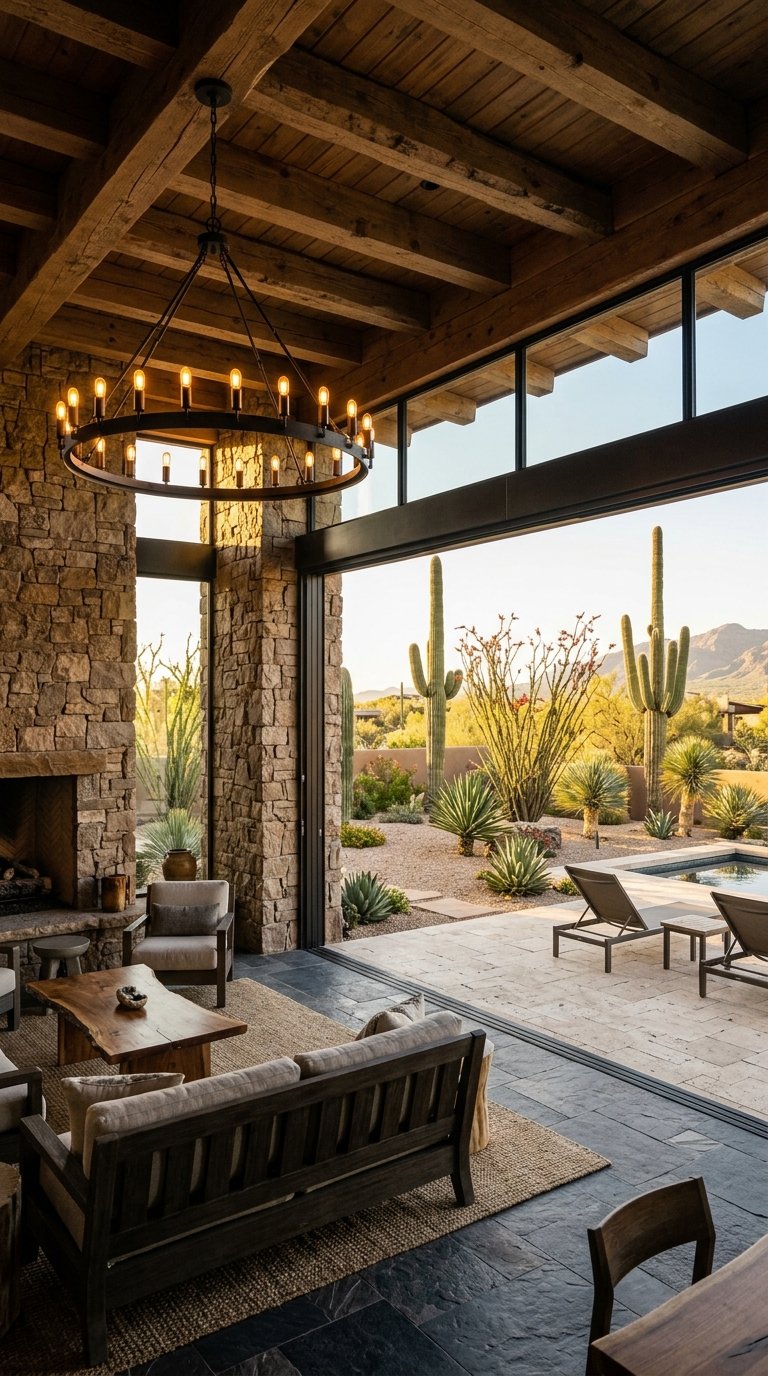
That is one reason many buyers prefer a curated community model. At Saguaro Ranch, the combination of preserved desert land, architectural guidance, preferred builder relationships, and private club amenities creates a more structured path from vision to finished home.
If you are considering a homesite in Moonlight Canyon or one of the estate offerings, it helps to think beyond the transaction itself. The real goal is not simply to buy land. It is to secure the right setting for a home that fits the landscape, your lifestyle, and your long-term plans.
If you are ready to explore Tucson luxury homesites with a more guided approach, schedule a private visit with Saguaro Ranch.
FAQs
What does a reservation mean for a Tucson luxury homesite?
- A reservation is usually a short holding step before the formal purchase contract is signed, not the final transfer of ownership.
What Arizona documents matter before signing a homesite contract?
- For a subdivision lot in Arizona, the public report must be provided before contract signing, and buyers should review it carefully along with the purchase contract and related documents.
What due diligence should you do on a Pima County homesite?
- You should review zoning, parcel boundaries, access, easements, slope, setbacks, utility sources, and county property records before closing.
Why is water review important for a Tucson-area lot purchase?
- Water and utility availability can affect whether and how you build, so Arizona buyers are advised to verify service sources and review the applicable water report early.
How long does it take to go from homesite purchase to finished home?
- The lot closing may happen first, but the design phase often takes 3 to 6 months and construction usually takes at least 12 to 16 months.
Can you build a custom home at Saguaro Ranch?
- Saguaro Ranch says buyers may choose a Robinette-designed plan or pursue a fully custom home if it meets the community’s architectural guidelines.