Wondering why one Tucson luxury property shows POA assessments, another mentions club dues, and a third adds transfer charges at closing? You are not alone. These costs can feel layered and unclear at first, especially when you are comparing high-end communities with different amenities, design standards, and ownership structures. This guide will help you understand what these fees usually cover in Tucson luxury living, how Arizona rules shape them, and what to review before you commit. Let’s dive in.
POA Assessments vs. Club Dues
In Tucson luxury communities, the first thing to know is that POA assessment and club dues are not always the same thing. POA assessments are generally mandatory charges tied to the community declaration and the association’s responsibility to manage, maintain, or improve shared property in a planned community under Arizona law.
Club dues, on the other hand, may be structured as a separate lifestyle cost. At Saguaro Ranch, for example, private club membership is described as optional, which shows how a luxury buyer may see both mandatory POA assessments and optional club dues within the same community.
That distinction matters when you build your monthly budget. One fee may support the community itself, while the other may support access to a more curated amenity package (read our guide to what to look for in a real estate development).
What POA Assessments Usually Cover
In luxury communities, POA assessments often help fund the systems and spaces that support daily ownership. That can include common-area maintenance, operational oversight, and reserve contributions for future major expenses.
Arizona resale disclosures require associations to provide information such as the current regular assessment, unpaid assessments, insurance coverage, reserves, the budget, the annual financial report, any reserve study, and pending litigation. When you review those materials, you are looking beyond the dues amount to see whether the community appears financially prepared and responsibly managed.
In a place like Tucson, operating costs may also reflect the character of the land and the standards of the community. In preservation-minded settings, design and upkeep can be shaped by features such as shared trails, low-impact infrastructure, and lighting approaches that align with local dark-sky goals.
Why Club Dues Feel Different
Club dues are best understood as a separate amenity layer. Rather than funding the broader governance and infrastructure of the community, they typically relate to the use and upkeep of specific recreational or social facilities.
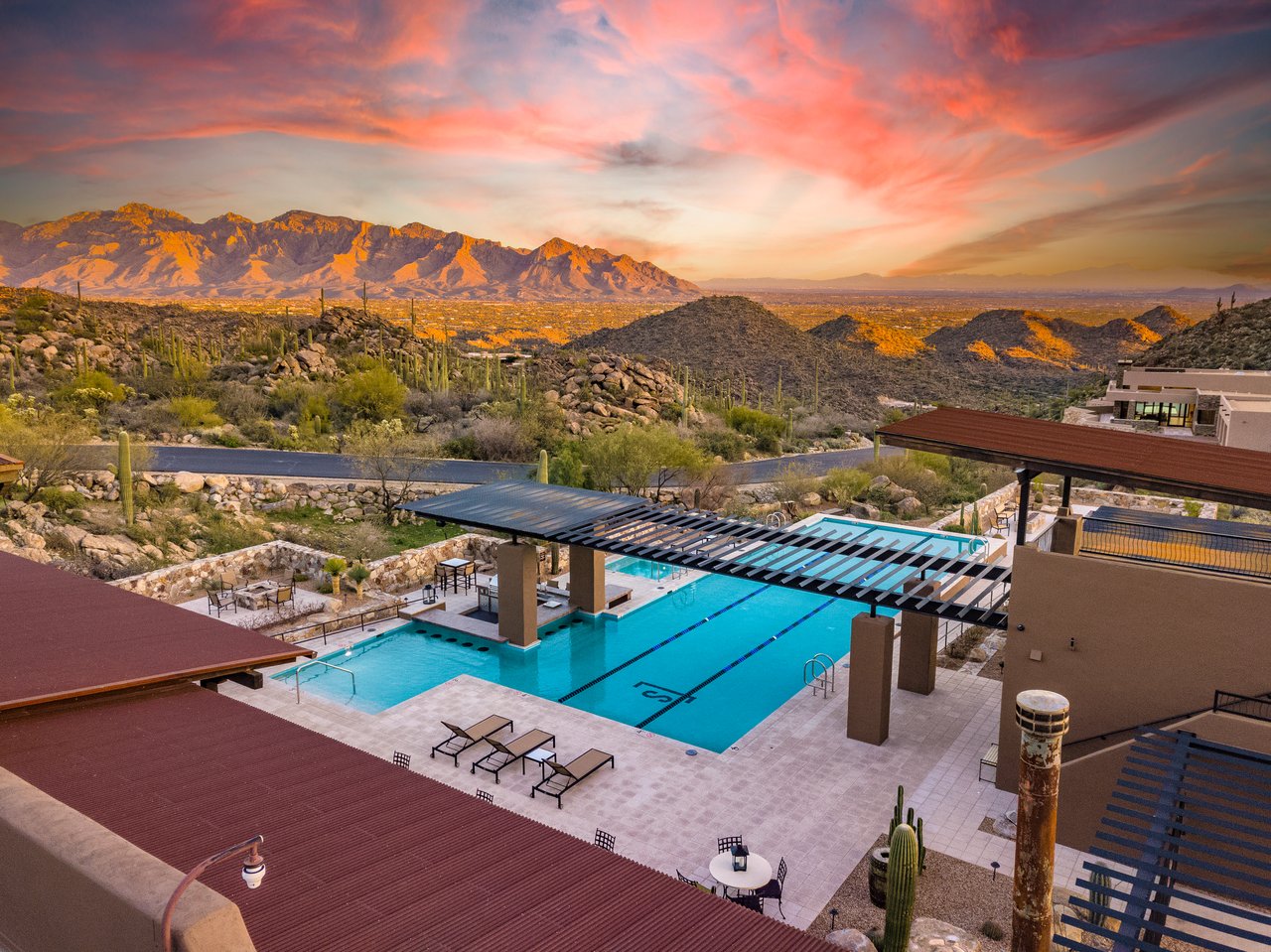
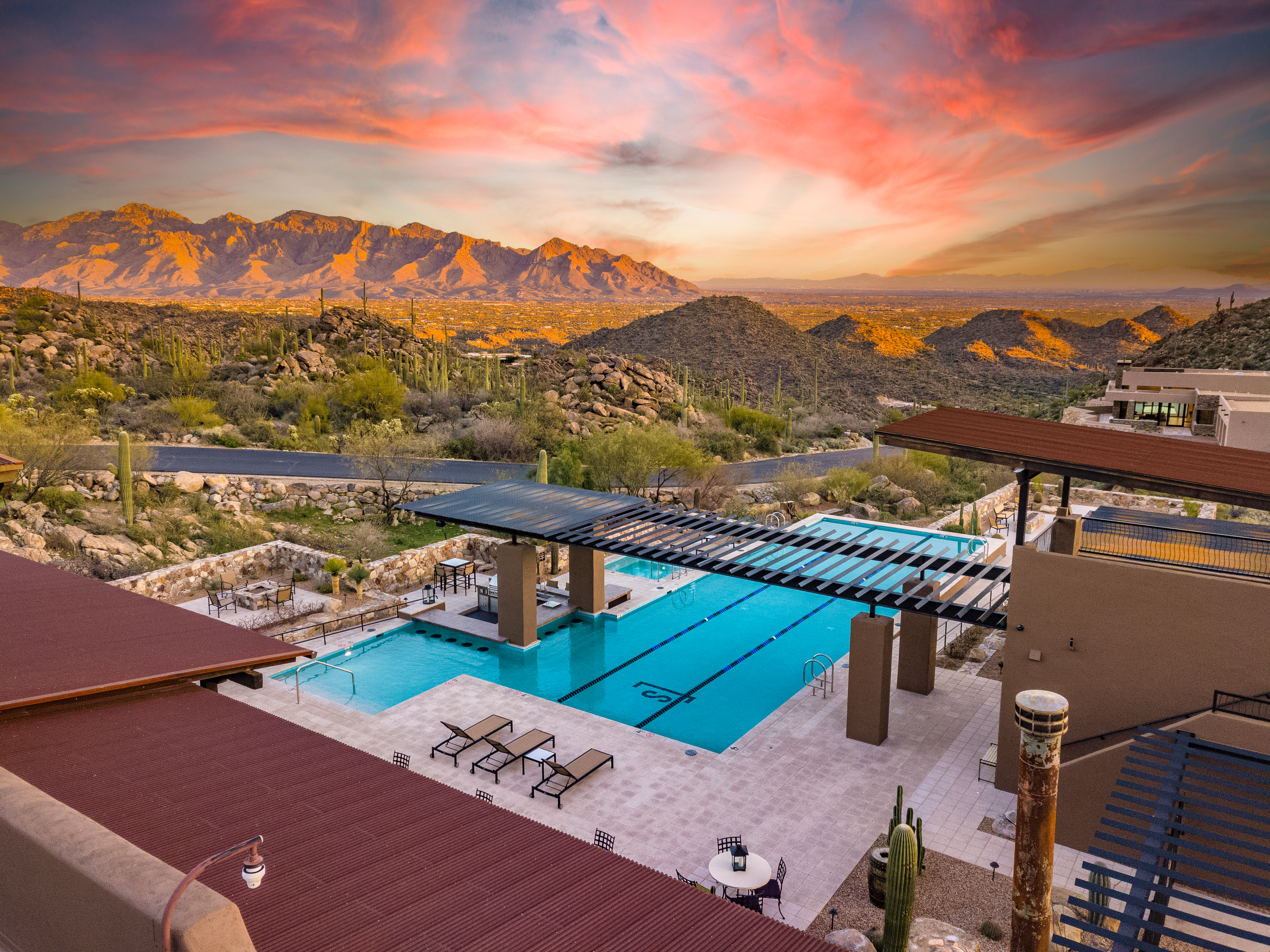
At Saguaro Ranch, the private club includes a 25-yard lap pool, jetted spa, bocce and pickleball courts, ping pong table, a fitness center, patio gathering spaces, and event space. Because membership is optional there, it offers a clear local example of how club dues can sit alongside POA assessments without being the same obligation.
For you as a buyer, this means the right question is not just “How much are the assessments & fees?” It is also “Which assessments/dues supports which part of the lifestyle I want?”
Tucson Luxury Living and the Fee Stack
Luxury ownership in the Tucson area often comes with what many buyers think of as a fee stack. That stack can include recurring POA assessments, optional club dues, and one-time transfer-related charges during a sale.
Arizona law separates recurring assessments from transaction-time charges in the resale process. The association may charge up to $400 for resale disclosure, lien estoppel, and related transfer services, with limited additional charges for rush processing and updates.
This is why your closing costs may include association-related charges even if you have already accounted for monthly, quarterly or annual assessments. If you are comparing properties, it helps to ask for a full picture of both ongoing and one-time costs.
How Arizona Law Shapes POA Costs
Arizona gives buyers several important protections and disclosure rights. In planned communities, regular assessments generally cannot increase by more than 20% year over year without majority approval unless the governing documents set a lower limit.
Arizona also limits late assessment charges to the greater of $15 or 10% of the unpaid assessment. If there is an alleged violation, owners must also receive notice and an opportunity to respond.
These rules do not eliminate risk, but they do give you a framework for understanding how assessments may change and how collections are handled. In a luxury purchase, that context is useful because even a well-designed community should still be evaluated through its documents and operating practices.
Why Preservation Can Influence Costs
In the Tucson and Pima County area, community design is often shaped by the desert itself. The City of Tucson notes that its Outdoor Lighting Code Committee works with Pima County to protect dark skies, reduce energy waste, and support thoughtful nighttime lighting (explore dark sky outdoor lighting for Tucson homes).
For preservation-first communities, those priorities can influence how shared spaces are planned and maintained. A community that emphasizes buried utilities, minimized lighting, preserved open land, and trail stewardship may allocate resources differently than a more conventional subdivision (learn more about a community that preserves nature).
That does not mean every community spends the same way. It does mean that in Tucson luxury living, assessments often reflect not just amenities, but also the standards required to protect the setting that makes the property distinctive.
What Buyers Should Review Carefully
Before you buy, ask for the documents that explain both the cost and the condition of the community. In a new subdivision, Arizona Department of Real Estate guidance says the public report must be provided before you sign the purchase contract, and it includes information about common community and recreation facilities, taxes and assessments, and property owners association details.
For a resale home, your review should usually include (understand the design guidelines in Tucson luxury communities):
- CC&Rs
- Current budget
- Reserve information
- Annual financial report
- Insurance information
- Pending litigation disclosures
- Club membership documents, if applicable
- Current regular assessment amount
- Any unpaid assessments tied to the property
These are not just formalities. They help you understand whether assessments/dues appear adequate, whether reserves look healthy, and whether future special assessments or dues increases may be more likely.
How to Judge Whether Assessments Are Reasonable
A higher assessment is not automatically a red flag in a luxury community. What matters is whether the assessment aligns with the services, infrastructure, and amenity package you actually value.
As you compare options, ask questions like:
- What is mandatory and what is optional?
- How much goes toward reserves?
- Are there signs that special assessments may be needed?
- What amenities are included today?
- Are there transfer fees due at closing?
- Have dues increased recently?
- Are there any pending disputes or litigation?
This kind of review helps you compare value, not just price. In a place where landscape preservation, architectural standards, and resort-style amenities may all be part of ownership, context matters.
Monthly Budgeting Matters More Than Many Buyers Expect
POA assessments are usually paid separately from your mortgage payment, and lenders generally need that amount when estimating your monthly housing costs. That makes the assessment an important part of affordability, even for buyers focused primarily on purchase price and financing terms.
It is also worth understanding the consequences of nonpayment. In Arizona, delinquent assessments can become a lien on the property from the time they are due, although foreclosure is allowed only after the owner is delinquent for 18 months or owes $10,000 or more, and the board must make reasonable efforts to offer a payment plan before filing foreclosure.
For most luxury buyers, the practical takeaway is simple: treat POA and club costs as core ownership expenses, not side notes.
Documents Deserve a Close Read
Arizona law requires association records to be made reasonably available within 10 business days, and planned-community meetings are generally open to members with advance notice and agendas. That access can give you a better sense of how the community operates in real life, not just on paper.
It is also important to remember that the Arizona Department of Real Estate does not regulate POAs, though it does administer the POA dispute process and directs consumers to attorneys or the state bar for legal questions. For you, that means association and club documents should be reviewed as binding ownership materials, ideally with legal and financial guidance, rather than treated as marketing language alone.
What This Means at Saguaro Ranch
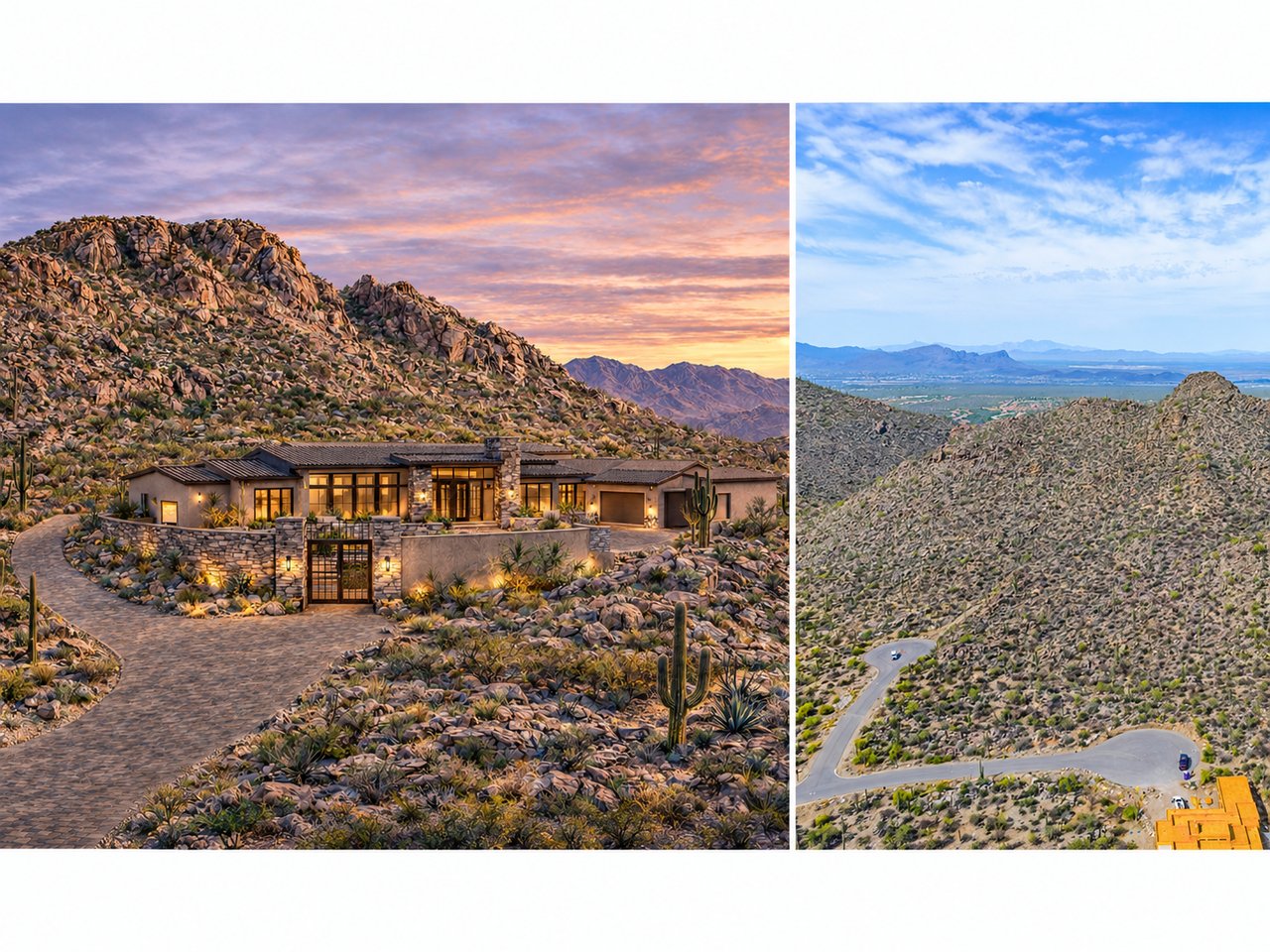
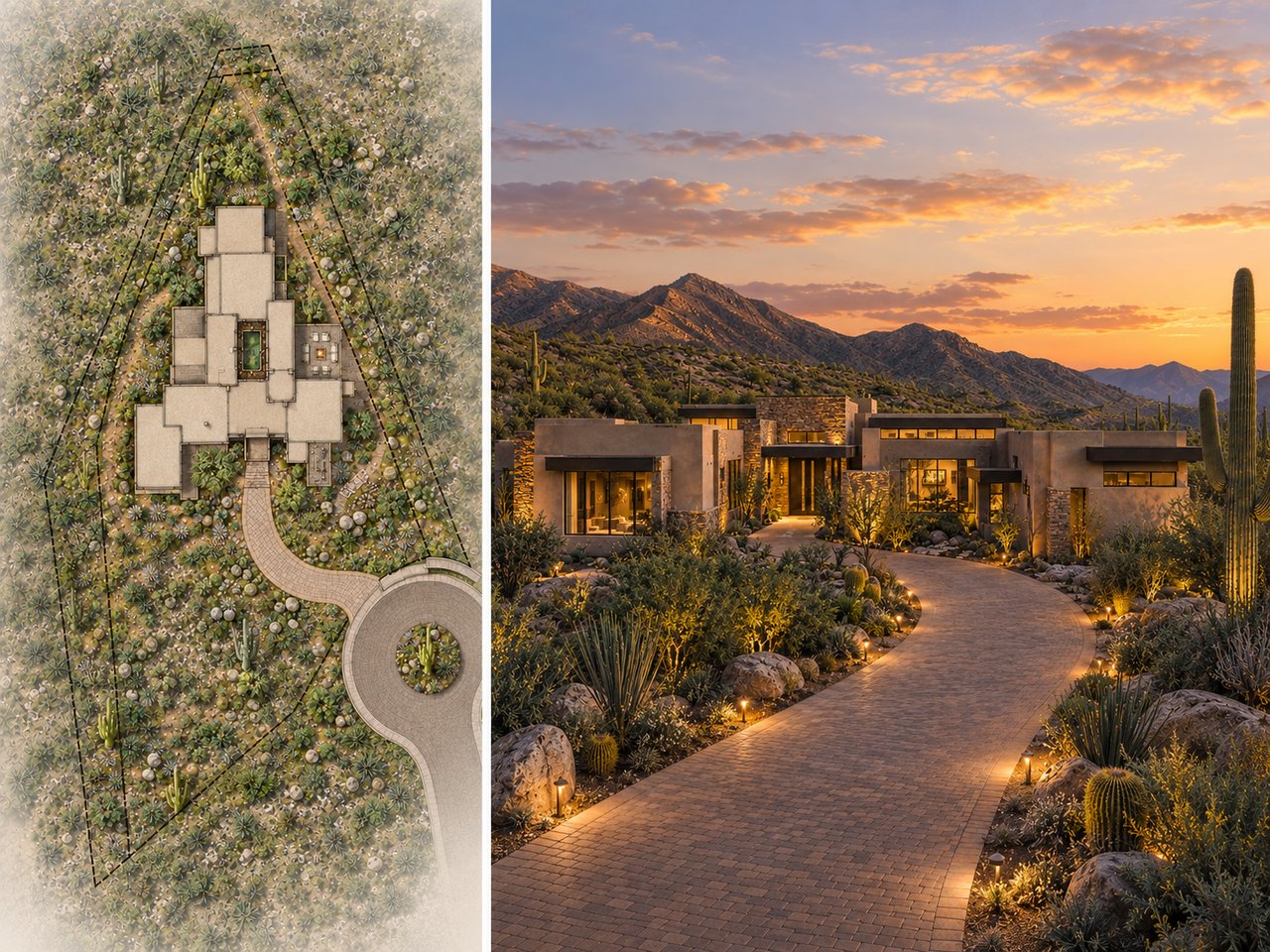
At Saguaro Ranch, the assessment conversation is especially relevant because the community blends preservation-focused land planning with a distinct amenity offering. The brand emphasizes preserved desert land, buried utilities, minimized lighting, private trails, and a private club, all within a curated luxury setting north of Tucson.
That makes it a strong example of why buyers should separate the idea of mandatory community assessments from optional lifestyle participation. If you are drawn to a conservation-first community with design standards, privacy, and resort-style amenities, understanding how each fee functions will help you make a more confident decision.
If you are exploring luxury ownership in the Tucson area and want a clearer picture of how community fees connect to land stewardship, amenities, and long-term value, schedule a private visit with Saguaro Ranch.
FAQs
Why do preservation-focused Tucson communities sometimes have layered fees?
- Preservation-focused communities may combine mandatory POA assessments for shared infrastructure and stewardship with optional club dues for amenity access, creating a layered fee structure tied to both operations and lifestyle.