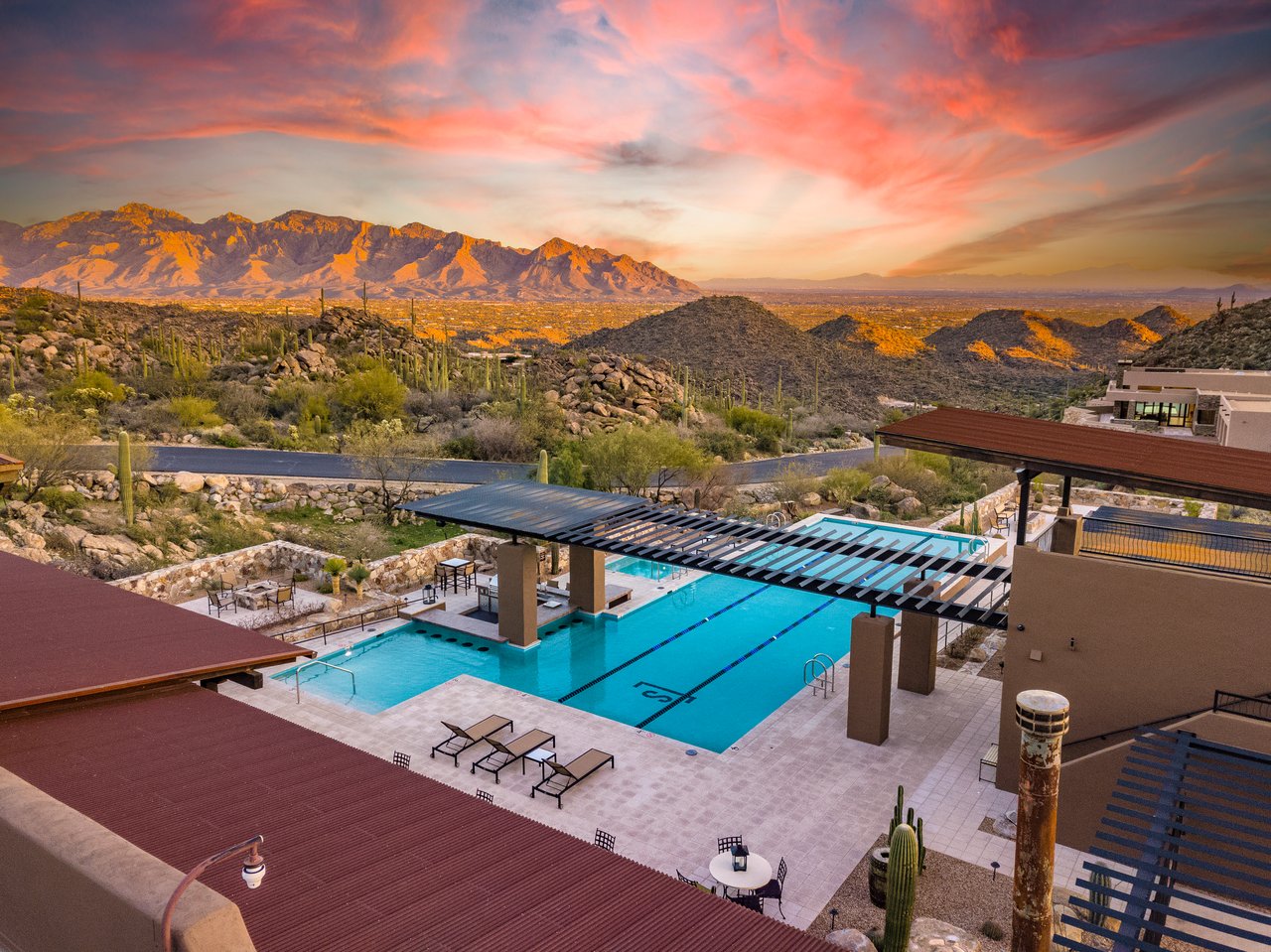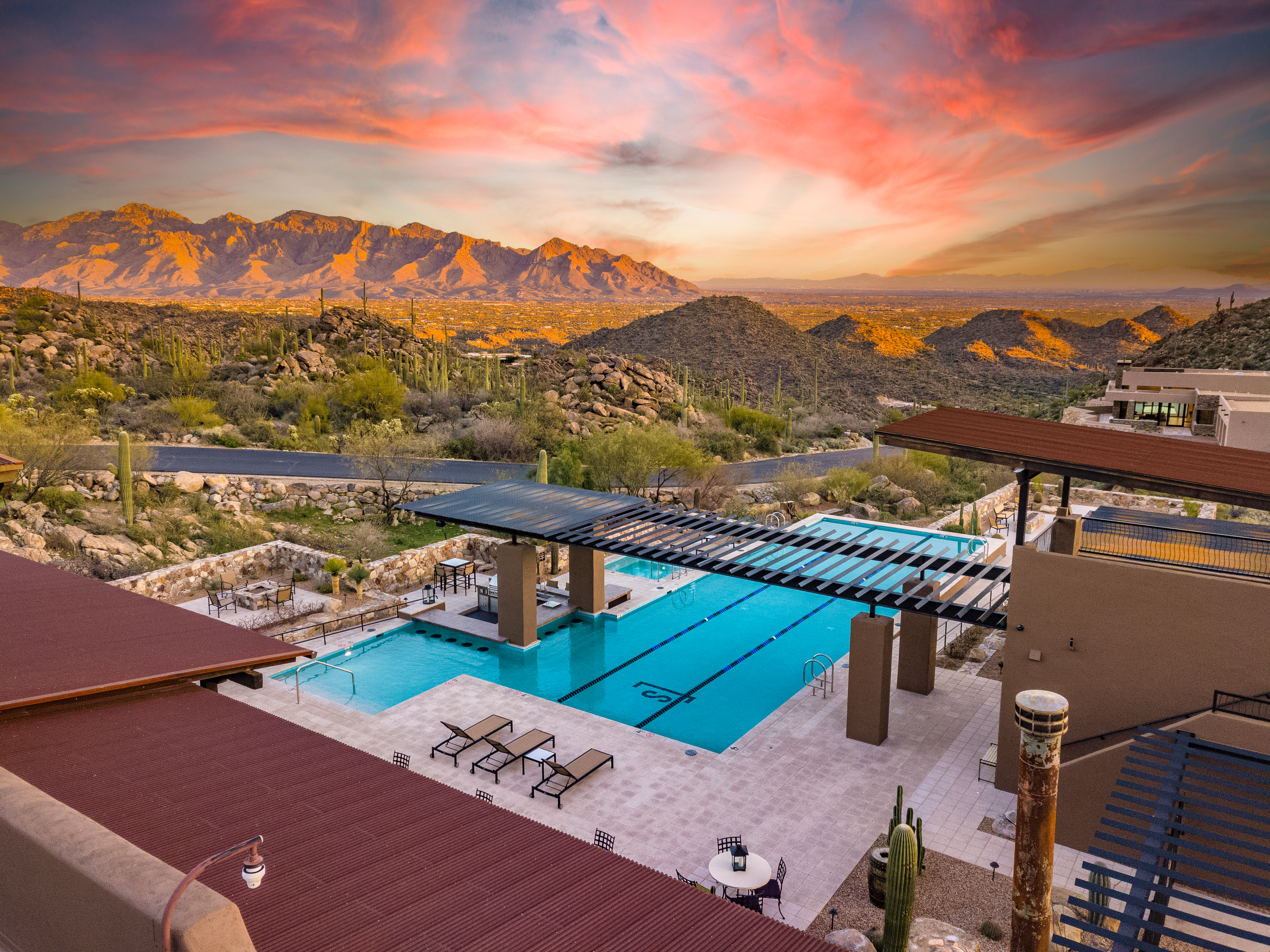
Ever wondered what it feels like to wake up inside your own private canyon, with sunrise spilling over rugged ridgelines and the desert coming alive around you? If you crave privacy, quiet, and big-sky views, canyon living near Tucson can be magnetic. You also want the full picture, from daily rhythms to practical tradeoffs. This guide walks you through what to expect in a private canyon in Pima County, with a balanced look at lifestyle, design, access, and due diligence. Let’s dive in.
The rhythm of canyon living
Life in a private canyon is defined by the senses. Mornings are still and cool, with bird calls carrying across the slopes while you sip coffee on a shaded patio. Afternoons turn bright and warm, so you move between indoor comfort and covered terraces. Evenings stretch long, with pink and copper light sinking behind the mountains and the scent of creosote after summer storms.
You live with a strong indoor to outdoor flow. Patios, courtyards, and pools are not just extras, they shape your routine. At night, darker skies than central Tucson make stargazing a quiet ritual, and you may hear coyotes calling in the distance.
Climate and seasons to know
You are in the Sonoran Desert. Summers are warm and dry, with average July highs often in the low 100s F. Winter is mild and comfortable for hiking, outdoor dining, and exploring. Annual rainfall is modest, roughly 10 to 13 inches, spread mostly between winter rains and the summer monsoon.
- Monsoon season typically arrives in July through September. Expect dramatic late-day clouds, lightning shows, and the possibility of sudden flash floods within washes and canyon bottoms.
- Day to night temperature swings are common, so mornings and evenings are your prime outdoor windows in summer.
- Canyons create micro-climates. North-facing slopes stay cooler, while south and southwest exposures get more sun and heat. Morning shade in deeper canyon pockets can extend your outdoor time.
Nature and wildlife you will share
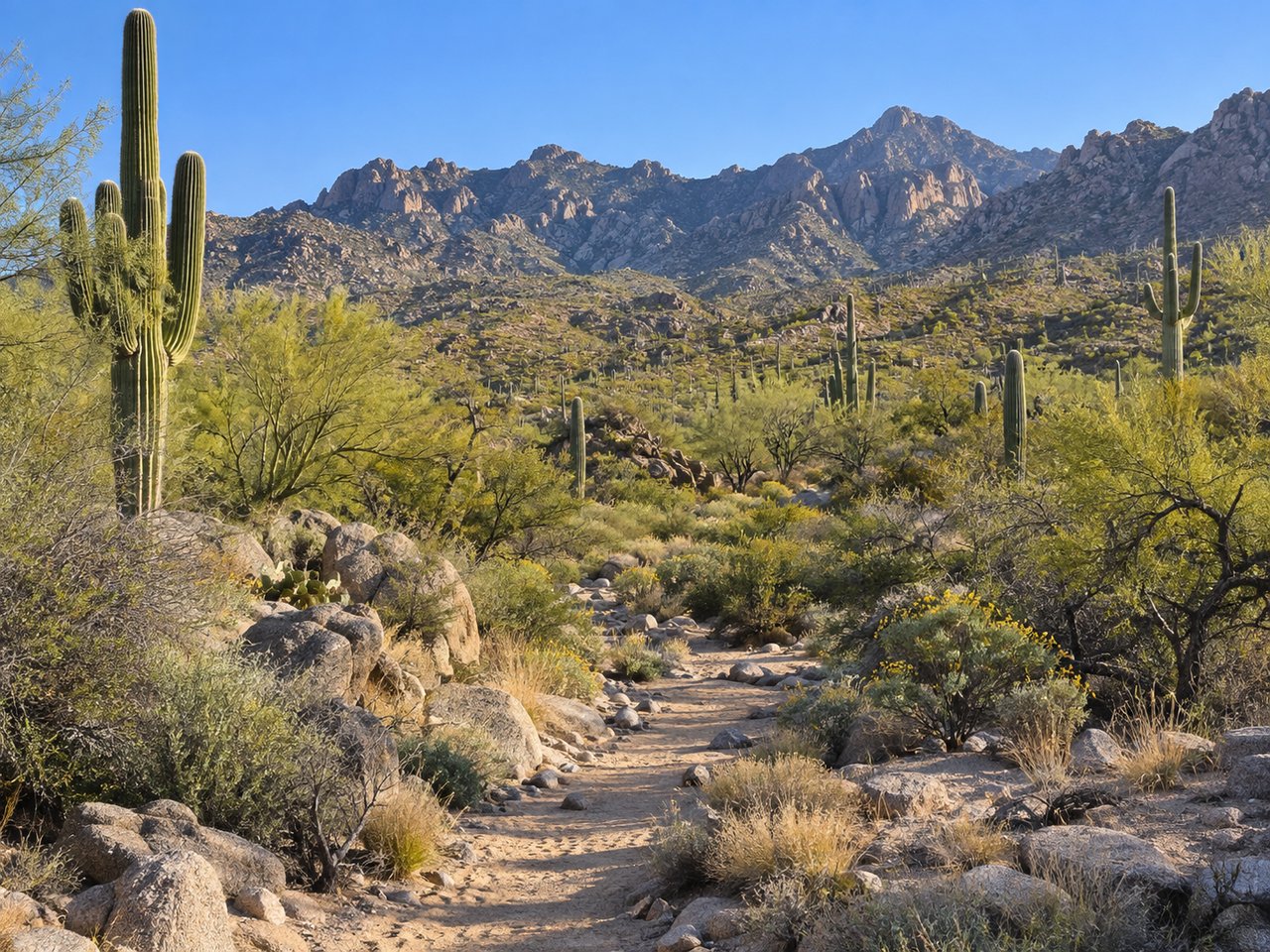
Canyon living means you share space with iconic Sonoran Desert plants and animals. Saguaros, Palo Verde, Ocotillo, mesquite, creosote, brittlebush, and prickly pear define the landscape. You may see javelina, coyotes, bobcats, mule deer, and the occasional mountain lion sighting is possible but rare. Rattlesnakes, Gila monsters, and scorpions are part of the ecosystem, especially in warmer months. Bird life is rich, from hummingbirds and cactus wren to quail and hawks.
Plan for coexistence.
- Manage attractants like fruit trees and feeders if you do not want to invite wildlife close to the house.
- Fence and contain pets at night, and stay aware on dawn and dusk walks.
- Expect periodic pest control and wildlife-safe landscaping as part of ongoing ownership.
Access, roads, and services
Private canyon neighborhoods often balance seclusion with a bit more logistics. The payoff is privacy and views. The tradeoff is planning for access, maintenance, and services.
- Roads and gates: Many canyon communities rely on private roads. After monsoon storms, grading and cleanup may be needed. Gated entries and long driveways add privacy but can affect delivery schedules and require clear instructions for guests and emergency access.
- Utilities: Some parcels connect to municipal water and sewer, while others use wells and septic systems. Clarify your exact setup, including maintenance responsibilities and the age or condition of a septic system if present.
- Power and backup: Rural lines can be more vulnerable to outages. Many owners opt for generators, battery systems, or solar for resilience.
- Internet and cell: Coverage varies by carrier and topography. Satellite or fixed wireless may be your backup if fiber or cable is not available.
- Emergency response: Response times can be longer than in town. Ask local departments for typical times to your neighborhood.
Risks to respect and plan for
Canyons are beautiful because water and wind shape them. That same geology requires respect and planning.
- Flooding and washes: Monsoon storms can trigger flash floods in washes and arroyo bottoms. Even properties above obvious channels can be affected by off-site flows. Review FEMA and Town of Marana flood resources, and confirm any drainage easements, retention requirements, and driveway culvert specifications.
- Wildfire awareness: Grass and brush can carry fire on slopes. Create defensible space, choose fire-conscious building materials, and confirm access for emergency vehicles.
- Native plant protections: Saguaros and other native species are protected in Pima County and the Town of Marana jurisdictions. Removal, relocation, or disturbance may require permits and mitigation. Verify requirements before any grading or landscape work.
- Slope and soils: Building on canyon terrain often involves geotechnical and drainage studies, engineered foundations, and retaining walls. Learn your parcel’s standards early so design timelines and budgets stay on track.
- Insurance and lending: Insurance premiums may be higher for properties in flood-prone areas or with difficult access. Flood insurance is separate from homeowners policies. Lenders may require geotechnical, drainage, and septic reports that affect approvals.
Architecture that fits the land
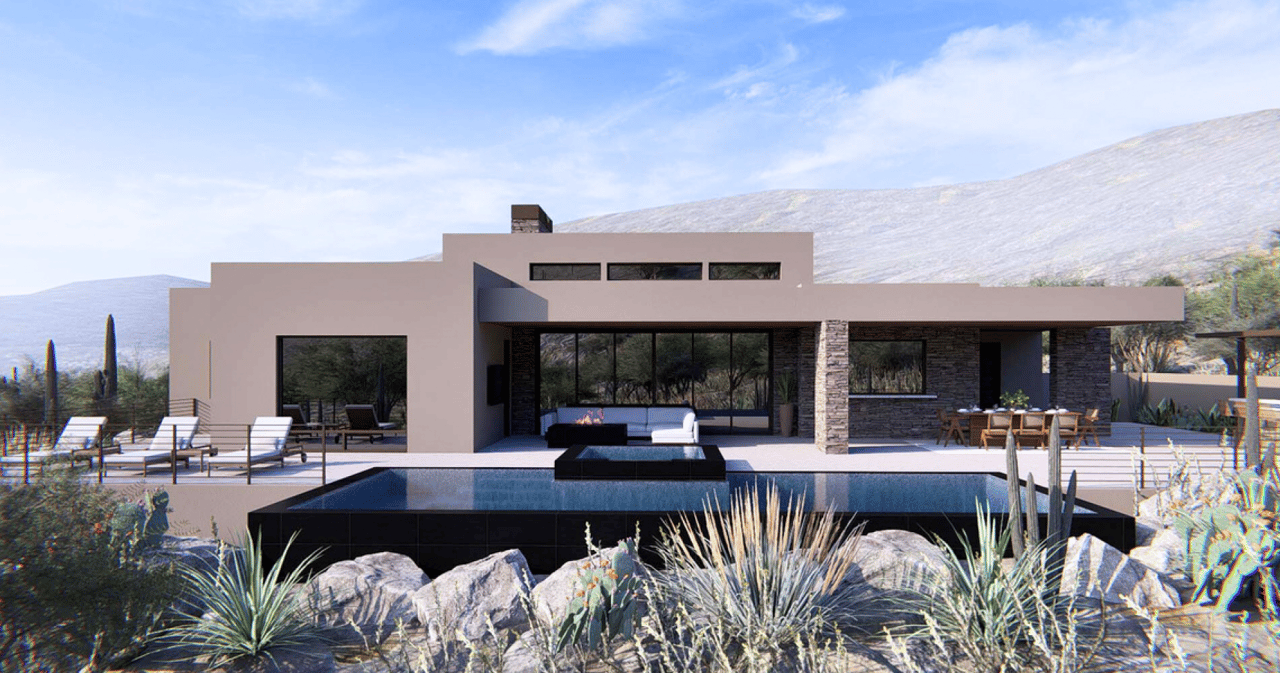
Great canyon homes are designed for the place. You will likely see large openings that frame mountain silhouettes, deep overhangs for shade, and courtyards that catch breezes. Thick walls, thermal mass, and shaded north-facing spaces help moderate heat. Covered terraces, outdoor kitchens, pools, and spas turn seasonal shifts into a comfortable routine.
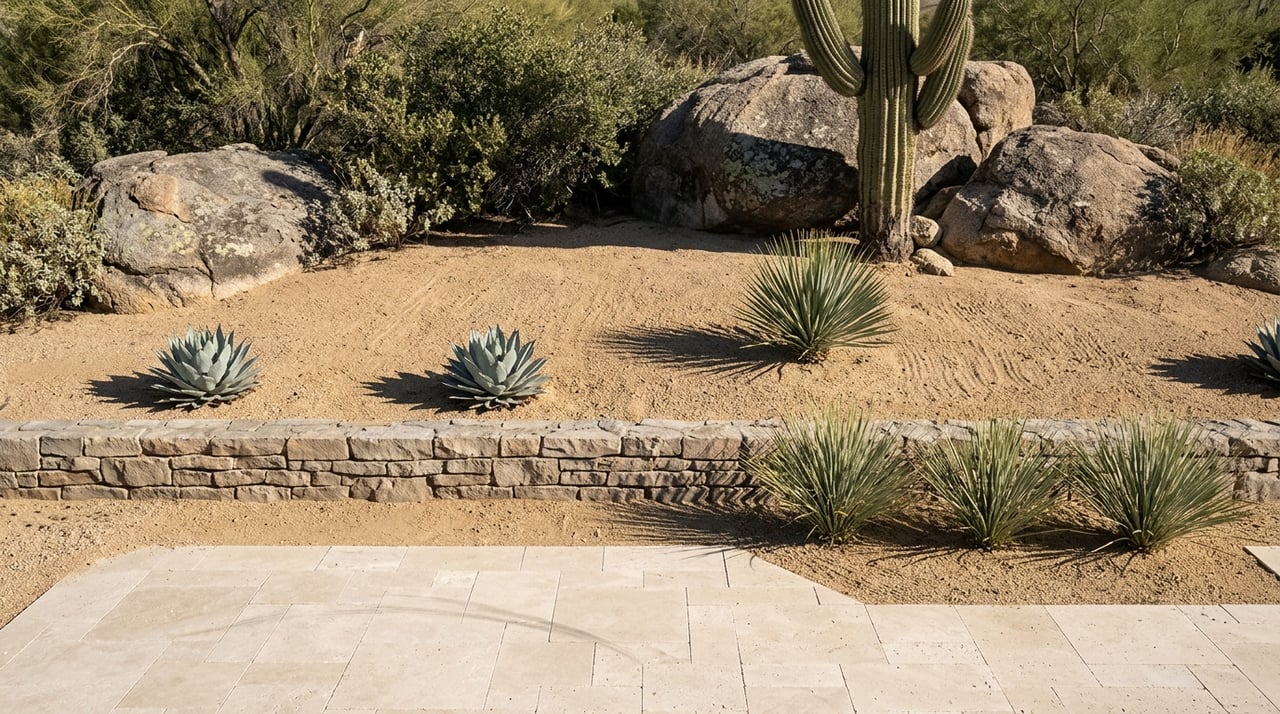
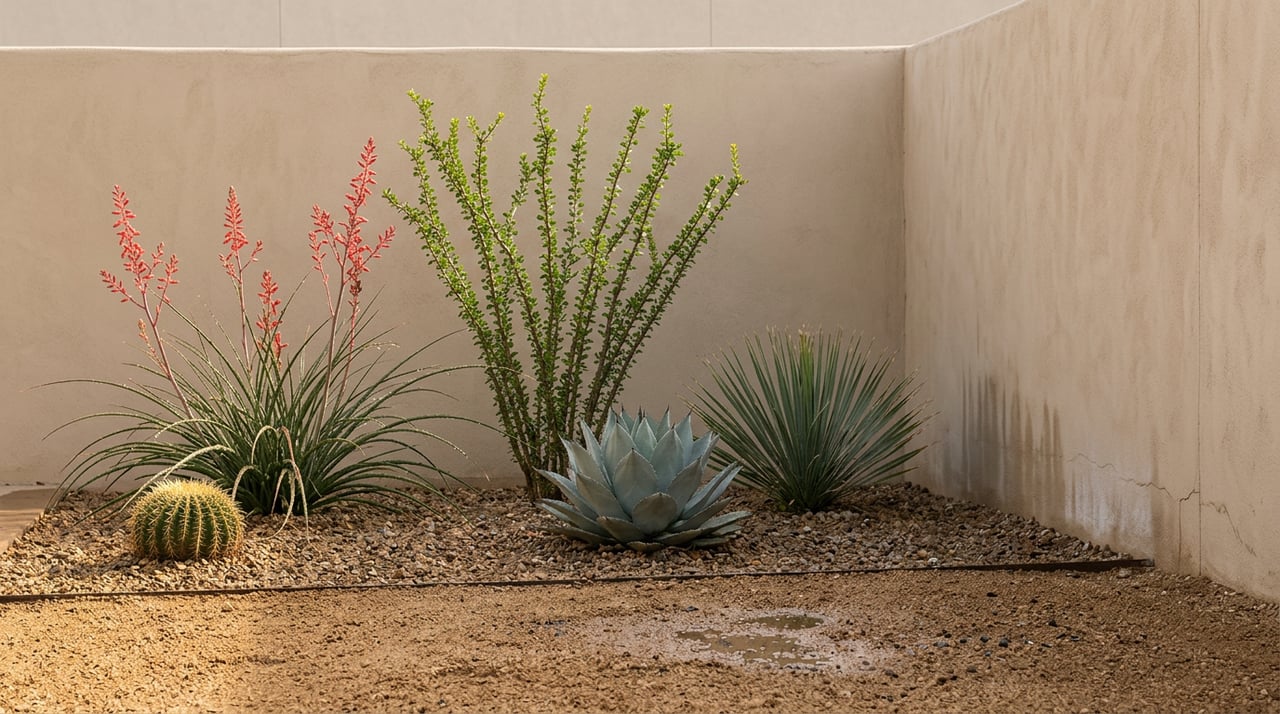
Water-wise landscaping is the norm. Native and desert-adapted plants, drip irrigation, and smart water harvesting keep maintenance low and views natural. Turf is limited or synthetic, and kitchen gardens thrive with planning and shade.
Daily life across the seasons
- Winter mornings: Pull on a sweater and walk the ridgeline trail, then linger on a sun-warmed patio for breakfast.
- Summer afternoons: Swim, read under a ramada, and move indoors during peak heat. Evenings bring soft light and poolside dinners.
- Monsoon nights: Watch storm clouds build over the Tortolitas. Plans may pause for lightning, but the payoff is the scent of rain and an unforgettable sky.
Lifestyle connections to Tucson
Privacy does not mean isolation. Many northern canyon neighborhoods connect you to Oro Valley and North Tucson for dining, shopping, and services. Outdoor lovers tap Catalina State Park, Mount Lemmon recreation, and regional trail systems. Golf options are plentiful in the surrounding areas. Depending on the exact property and road conditions, health care and groceries are often a 10 to 30 minute drive by car.
Is private canyon living right for you
Choose canyon living if you value privacy, scenery, and an authentic connection to the Sonoran Desert. Expect to manage a bit more maintenance and planning, especially around roads, drainage, and utilities. If you enjoy stargazing, low-density surroundings, and a home that opens to the land, a private canyon can feel like a true sanctuary.
How Saguaro Ranch simplifies canyon living
If you love the idea of a private canyon but want a curated path to ownership, Saguaro Ranch was designed with you in mind. Set within approximately 1,100 to 1,200 acres in the Tortolita Mountains north of Tucson, the community follows a preservation-first plan that keeps roughly 80 percent of the land undisturbed to protect views, privacy, and night skies. A memorable tunnel arrival signals you are entering a quiet sanctuary.
You can choose from limited one- to multi-acre homesites in Moonlight Canyon and larger estate parcels. Pre-approved semi-custom architectural plans and preferred builders, including noted local partners, help shorten delivery timelines without sacrificing design quality. A private clubhouse with fitness, aquatics, and courts supports a wellness-forward routine, so your days flow between outdoor adventure and resort-style ease.
When you are ready to explore, the Saguaro Ranch team can walk you through site selection, design options, and the curated build process, all within clear design guidelines that respect the Sonoran Desert. If living in a private canyon feels like home, we invite you to learn more and see it in person with Saguaro Ranch. Schedule a Private Visit.
FAQs
What is daily weather like in a private canyon near Tucson
- Expect warm, dry summers with average July highs often in the low 100s F, mild winters that are ideal for outdoor time, and most rain arriving during winter storms and the July to September monsoon.
How do monsoon storms affect canyon access and routines
- Monsoon can bring dramatic lightning and sudden flash floods in washes, so you plan around late-day storms, confirm drainage design on your lot, and expect periodic road grading after heavy rain.
What wildlife should you expect around canyon homes in the Town of Marana
- You commonly see saguaro-rich habitat with javelina, coyotes, bobcats, deer, various reptiles including rattlesnakes, and abundant birdlife, so pet management, pest control, and wildlife-wise landscaping are part of ownership.
What utilities are typical for private canyon properties
- Some parcels connect to municipal water and sewer, but many use wells and septic systems, with varied internet and cell coverage; backup power with generators, batteries, or solar is a common resilience choice.
Do saguaros and native plants affect building and landscaping plans
- Yes, saguaros and other native plants are protected in Pima County and the Town of Marana jurisdictions, and removal or relocation often requires permits, so you confirm protections before any grading or construction.