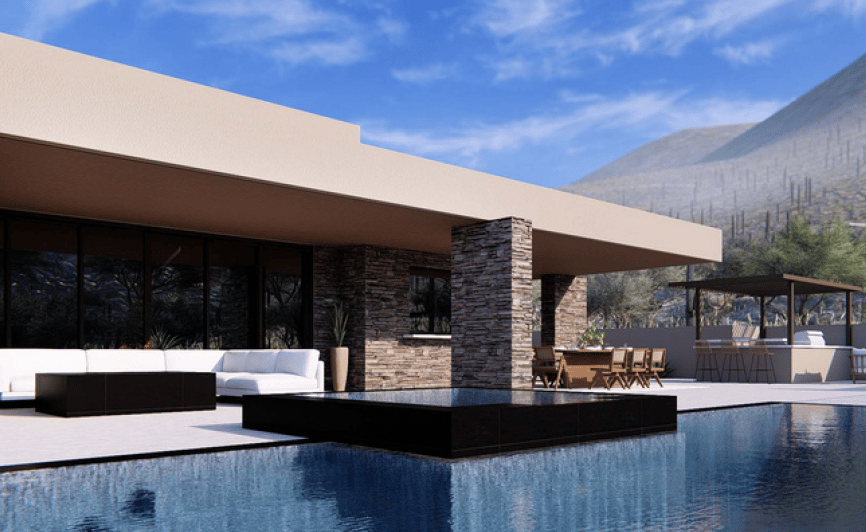
Looking for space, privacy, and views that feel like they go on forever? The luxury land market around Tucson rewards you with all three, but it also asks you to be thoughtful. You want to invest in a homesite that protects your views, your lifestyle, and your long-term value.
In this guide, you’ll learn how Tucson’s luxury land market works, where to focus your search, what drives pricing, and the due diligence that keeps surprises to a minimum. You’ll also see how preservation-focused communities can shape scarcity and value. Let’s dive in.
Tucson’s luxury land: where to look
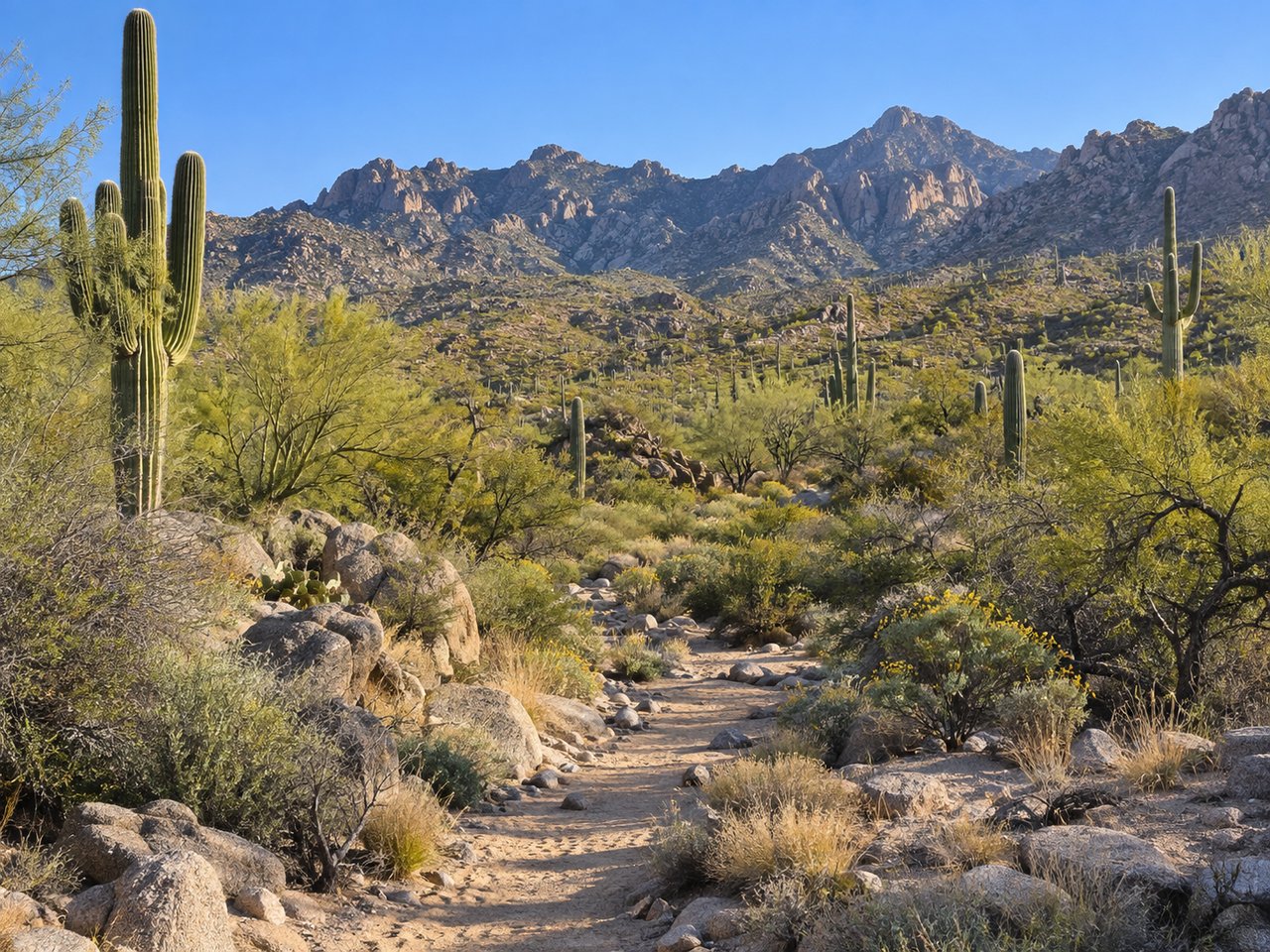
The heart of Tucson’s luxury land sits in the northwest corridor and the Tortolita Mountains. Here you find elevated settings, striking Sonoran Desert scenery, and larger, lower-density parcels than most in-town neighborhoods. Many sites are in the unincorporated Town of Marana, which means they are subject to county-level zoning and permitting.
Transition zones near Marana and Oro Valley offer views similar to those in the surrounding areas, with easier access to suburban services. You will also see conservation-oriented communities that limit lot counts, protect open space, and use architectural standards to preserve the landscape. These choices shape both day-to-day living and long-term value.
Why supply is scarce
One to forty-acre homesites with true mountain or valley panoramas are limited. Parcels are fragmented, and owners often hold them for long periods. Steep terrain, active washes, and habitat corridors reduce the amount of land available for development.
Local conservation efforts also matter. Community-held open space and conservation easements remove land from future development. The result is a tighter supply in the most desirable view bands. Because trading volumes are lower and comparable sales are thin, marketing times can be longer, and pricing can vary more than in typical neighborhoods.
What drives the price on acre-plus homesites
Views and orientation
Unobstructed views of the Tortolita and Catalina ranges command premiums. Elevation, sunrise and sunset orientation, and protected view corridors all matter. Even small differences in sightlines can shift value.
Usable area and building envelope
Total acreage is only part of the story. Buildable, gently sloped land sets your budget and design options. Sites that need significant grading, retaining walls, or long driveways are typically discounted.
Utilities and access
Power close to the lot, City of Tucson water availability, and reliable road access reduce cost and risk. A long private drive or the need to extend utilities can add significant expense and uncertainty.
Water and permitting in the Tucson AMA
Water is central to feasibility. The Arizona Department of Water Resources oversees the Tucson Active Management Area, which affects well permitting and assured water supply for subdivisions. If you plan to rely on a private well, confirm depth, yield, quality, and reporting requirements with qualified professionals.
Community controls and amenities
Architectural guidelines, gated access, equestrian options, and shared conservation areas attract many luxury buyers. These features can support pricing and resale. Weigh HOA fees and design requirements alongside the benefits of consistency and stewardship.
Easements and legal constraints
Conservation easements, access easements, and utility easements shape how and where you can build. Some protections preserve the setting and predictability, while others limit development options. Review recorded documents early.
Market comps and scarcity
Because comparable sales are thin, pricing leans on micro-area knowledge and scarcity. Expect a wider negotiation range and be ready to support your position with documentation and expert opinions.
Conservation and long‑term value
Pima County’s Sonoran Desert Conservation Plan guides where development is most appropriate and where habitat and open space should be protected. In areas influenced by conservation, you gain a clearer picture of what is likely to be preserved over time.
Recorded conservation easements and community-held open space create a sense of permanence. That predictability helps protect views, privacy, and low-density character that many luxury buyers value. The trade-off is that conservation can narrow your development options and add steps to financing and appraisal. For many, the protected setting is a durable amenity worth the trade.
Buyer due diligence checklist
Use this list to reduce risk and keep your build timeline on track:
- Water: Confirm permitted supply and ADWR status. For wells, review logs, depth, yield, and quality. Understand Tucson AMA rules and any reporting or rights.
- Septic: Check Pima County requirements, soil percolation tests, and approval steps for onsite wastewater.
- Access: Verify recorded legal access, year-round usability, and road maintenance agreements. Know the difference between public and private roads.
- Utilities: Map available power, gas, internet, and water. Get estimates to extend service where needed and confirm any cost-sharing.
- Building constraints: Read CC&Rs, architectural review rules, conservation easements, setbacks, and height restrictions. Confirm the buildable area.
- Floodplains and washes: Review FEMA maps and county designations. Active desert washes can limit building envelopes.
- Soils and geotechnical: Test for rock, slope stability, and caliche to inform foundation and grading budgets.
- Wildlife and habitat: Check for protected species and critical habitat that may require additional permitting.
- Title and easements: Confirm all recorded easements, rights-of-way, and any retained mineral or utility rights.
- Appraisal and comps: Engage an appraiser experienced with luxury land in Pima County and gather relevant local sales.
Seller preparation that pays off
If you are selling an acre-plus homesite, preparation builds confidence and shortens timelines:
- Assemble documentation: Recent surveys, plats, CC&Rs, POA documents, recorded easements, perc tests, well reports, and utility maps.
- Tell the value story: Highlight permanent open space, view corridors, graded pads, septic approvals, and any conceptual plans.
- Price with proof: Expect a wider negotiation range. Provide appraisal-ready materials to address thin comps.
- Target the right audience: Use MLS land categories, luxury networks, regional land brokers, and lifestyle channels that reach relocation and second-home buyers.
- Consider flexible structures: Seller financing, land contracts, or lot splits can widen the buyer pool when conventional mortgages do not fit.
Where preservation-focused communities fit
Preservation-first communities occupy a distinct niche in Tucson’s landscape. They offer limited homesite counts, generous open space, and design standards that protect the desert character. For many buyers, that stewardship is the point. You trade unchecked development rights for predictability, privacy, and an environment that feels permanent.
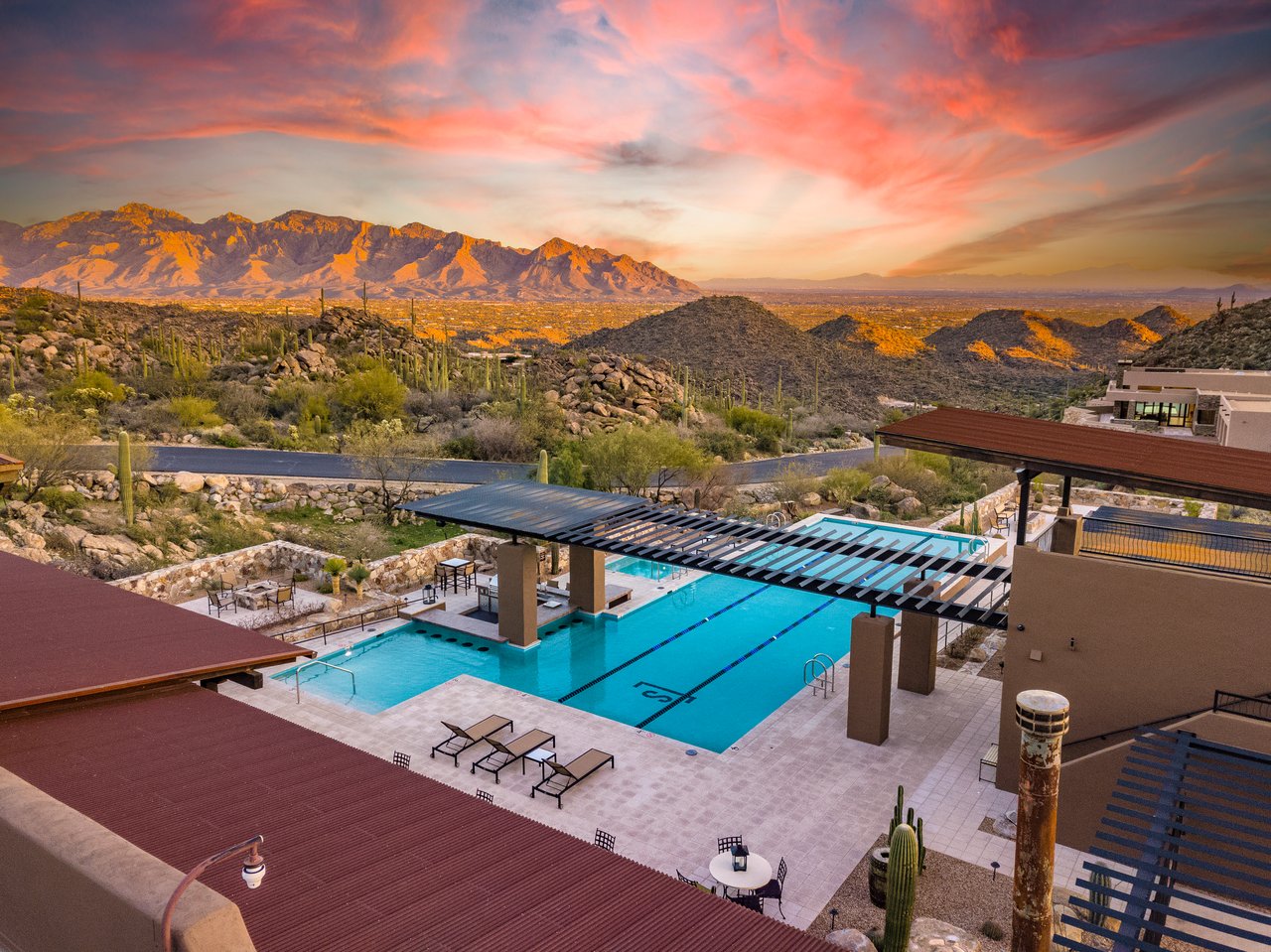
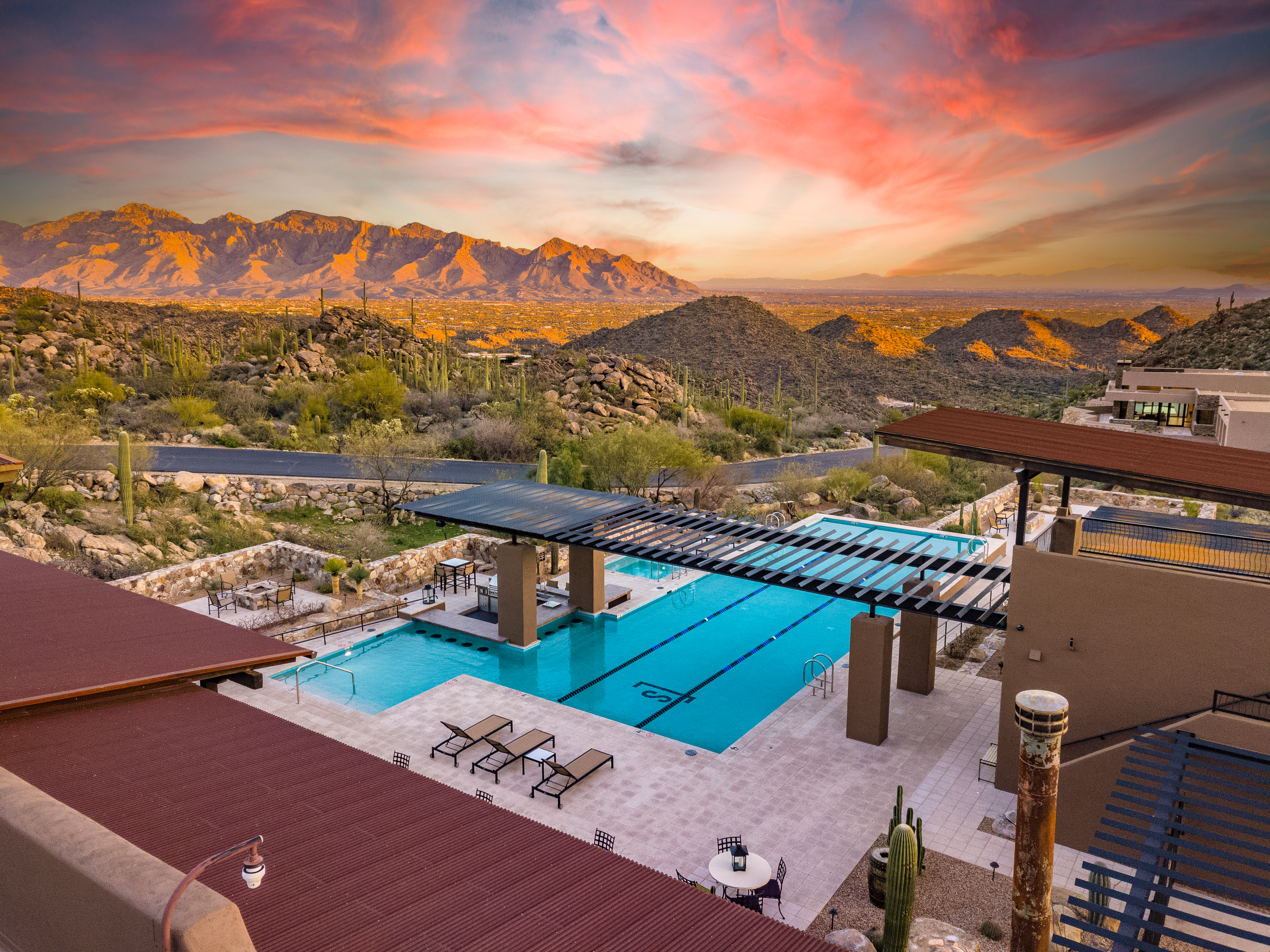
Within this niche, Saguaro Ranch in the Tortolita Mountains exemplifies the model. The community protects roughly 80 percent of its 1,100 to 1,200 acres as undisturbed land, pairs one- to multi-acre homesites with pre-approved architectural plans, and partners with respected builders to streamline delivery. A memorable tunnel arrival, dark-sky stewardship, and a private clubhouse create a refined, low-density living experience in a protected setting.
Budgeting the path from dirt to door
Your total project cost depends on topography, access, and the services you need to bring to the site. Plan for:
- Site work: Grading, driveways, utility extensions, and any necessary retaining walls.
- Water and wastewater: Well drilling or community water connections where available, plus septic design and installation.
- Professional services: Architecture, engineering, soils and geotech, and landscape design suited to the foothill environment.
- Approvals: HOA architectural review, county permits, and any conservation-related reviews.
A curated path can help. Pre-approved plans and endorsed builder teams reduce guesswork, shorten timelines, and keep design quality consistent with the landscape.
The bottom line
Tucson’s luxury land market rewards buyers and sellers who respect the land and plan ahead. Scarcity, conservation, and buildability drive value in the Tortolita foothills and northwest corridor. When you align your goals with the setting, you protect what matters most: your views, your privacy, and your long-term enjoyment.
If you want a preservation-first path to desert living, explore the limited homesites and curated delivery experience at Saguaro Ranch. Schedule a Private Visit to walk the land, review plans, and see how stewardship and design come together.
FAQs
How do conservation easements affect building in Pima County?
- They preserve open space and predictability, but can limit where and how you build. Always review the recorded easement and consult qualified professionals before you buy.
Can you get a standard mortgage for vacant land in Tucson?
- Many raw land purchases do not fit traditional residential mortgages. Buyers often use cash, specialized lot loans, or seller financing arranged on a case-by-case basis.
How reliable are private wells in the Tucson Active Management Area?
- Reliability varies by location and depth. Confirm well logs, yield, and water quality, and review ADWR Tucson AMA requirements and reporting before proceeding.
What makes Tortolita foothill parcels command premiums?
- Elevation, unobstructed mountain and valley views, privacy, and low-density settings drive higher values than those of more suburban lots.
How do HOAs and design standards impact resale in preservation-focused communities?
- Consistent design, protected open space, and managed amenities can support long-term value. Balance those benefits against HOA fees and design controls.
How long does it take to build after buying a homesite at a curated community?
- Timelines vary with design, approvals, and site conditions. Pre-approved plans and preferred builders can shorten design and review compared with starting from scratch.