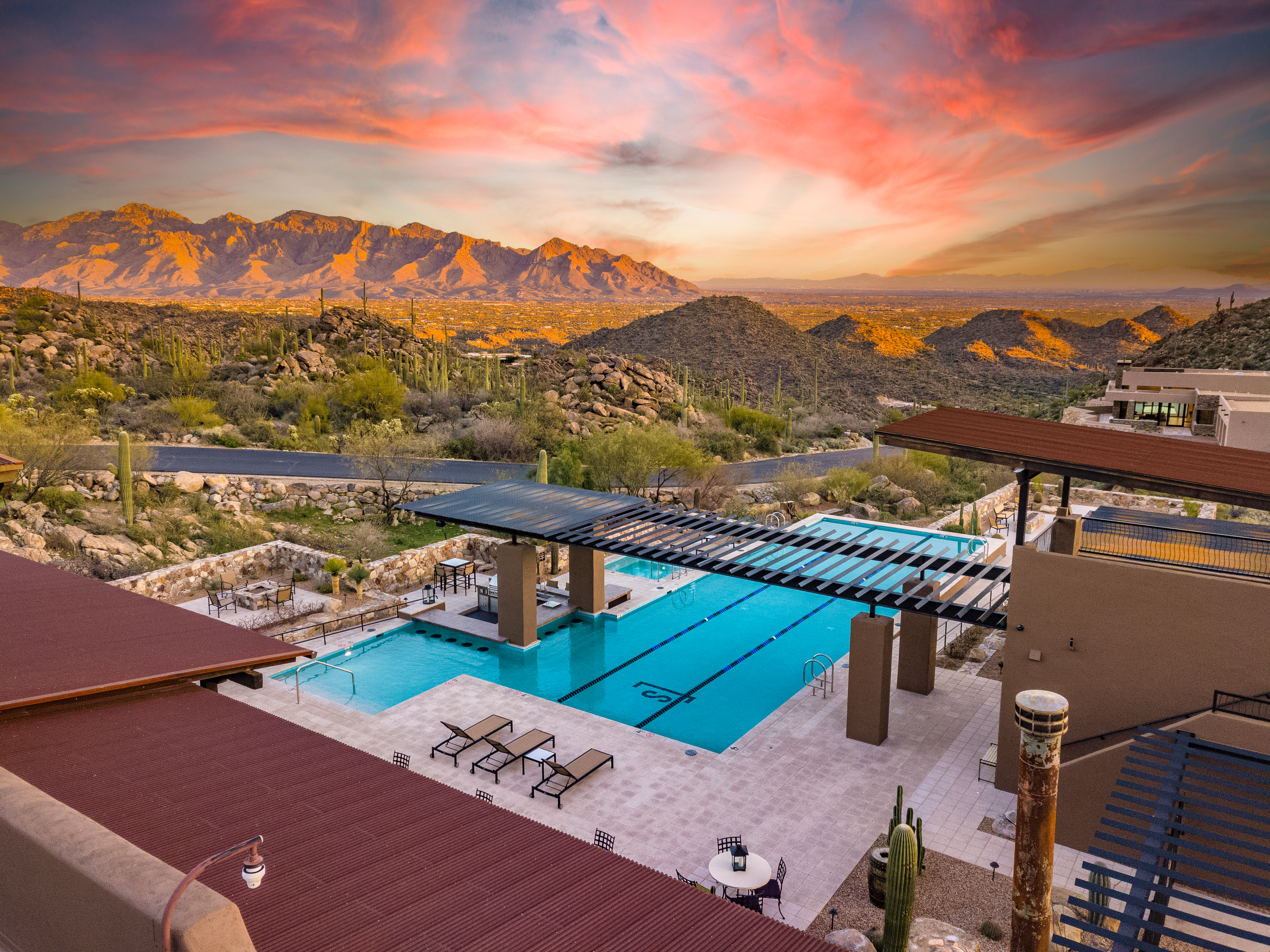
Thinking about a desert retreat but not ready to build yet? In Tucson’s Tortolita foothills, premium homesites often release in limited phases, and the most dramatic view lots can go first. If you secure the land now, you can design and build on your timeline while protecting your spot. In this guide, you’ll learn how scarcity works, what it costs to hold land, the permits and studies to plan for, and how to stage a smooth path from purchase to move-in. Let’s dive in.
Why buy land now
Buying a homesite early can be a smart way to claim a rare setting before it disappears. In the foothills north and northwest of Tucson, communities with mountain views, privacy, and controlled development see steady interest from second-home buyers and investors. Limited releases can compress supply and keep the best orientations in high demand.
Limited releases explained
Developers sometimes offer lots in small phases to manage pace and pricing. Early buyers often get first pick of ridges and view corridors. These releases may involve reservation deposits, design controls, or timing expectations set by CC&Rs. Review each term closely so you know what flexibility you have if you plan to design later.
Demand drivers to watch
The Tortolita foothills attract you with mountain backdrops, trail access, and a mild desert climate. Smaller, well-managed enclaves can fit a second-home lifestyle with privacy and design consistency. If you value calm, night skies, and outdoor living, these neighborhoods can reward long-term ownership.
Pricing and resale context
Lot values reflect a mix of location, views, orientation, utility access, and design rules. While limited releases can support appreciation, vacant land values are less predictable than finished homes. Most value is realized once you secure a building permit or complete a home, so plan your timeline accordingly.
Understand holding costs and financing
When you buy now and build later, budget for carrying costs and choose a financing approach that fits your plan.
Carrying costs to expect
- Property taxes. Vacant land is assessed and taxed in Pima County. Classification and assessed value can change after improvements.
- Insurance. Hazard or liability coverage for a lot is typically modest, especially compared to a finished home, but it may be required by a lender.
- POA or community fees. Many gated or master-planned communities assess fees before construction. Confirm fee timing and amounts.
- Utilities and service minimums. Some providers charge connection or standby fees even for inactive meters.
- Maintenance and security. Plan for brush abatement, erosion control, and basic upkeep, especially in foothill and WUI areas.
- Loan interest. Land loans often have higher rates and larger down payments than home mortgages.
Financing options
- Vacant land loans. Expect stricter underwriting and higher rates. Lenders like clear exit strategies.
- Construction or construction-to-permanent loans. These funds will be used to build once plans, permits, and contractor agreements are in place.
- Alternatives. Seller financing, portfolio loans, cross-collateralization, or cash can reduce interest expense while you hold.
Tax and investment notes
If you hold land as an investment, capital gains rules apply at the time of sale. Some investors use 1031 exchanges when swapping one investment property for another. Tax treatments differ for primary residences and second homes, so plan with your advisor.
Know local rules and site constraints
Foothill parcels are unique. A beautiful view can come with extra permitting steps. Early study reduces surprises later.
Zoning and design controls
The Town of Marana has setbacks and use rules for many unincorporated foothill areas. Private CC&Rs often include architectural standards that govern size, materials, colors, and review procedures. These rules protect design quality, but they can add time.
Wastewater: septic
Many foothill lots sit outside sewer boundaries. A septic system will be needed, which requires soil testing and county approval. Steeper or rocky sites can raise costs. If a sewer extension is possible, connection fees and added approvals may apply.
Utilities, access, and off-site work
Power, communications, and road access may require extensions. Some communities have cost-sharing for road improvements or defined access easements. Review all recorded easements to understand your buildable area.
Terrain and wildfire considerations
Hillside lots often require geotechnical or soil reports. Steep slopes and rock can affect foundation design and excavation budgets. In wildland-urban interface zones, expect defensible-space standards and ember-resistant construction details.
Environmental protections and native plants
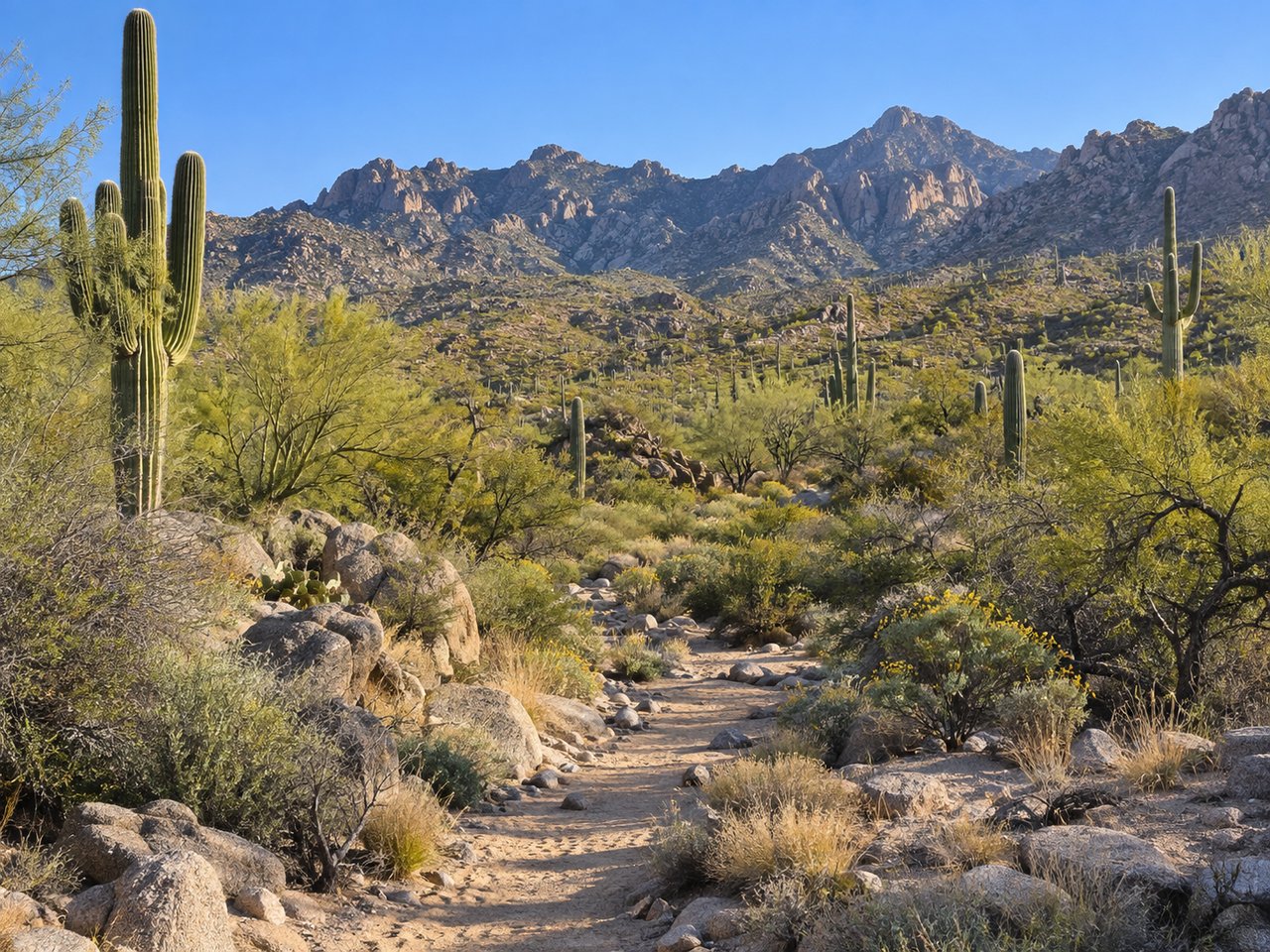
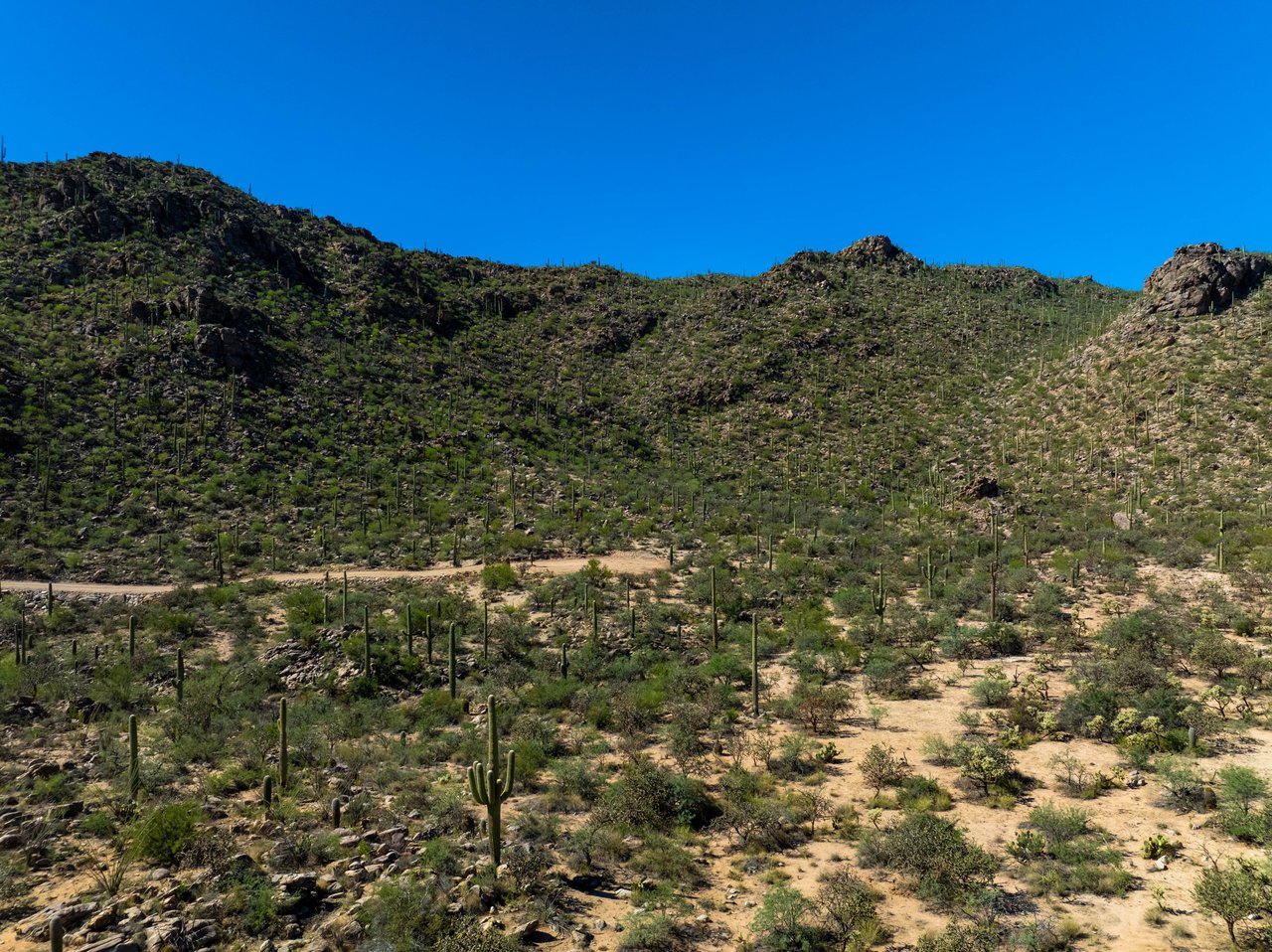
This is saguaro country. Many jurisdictions protect native cacti and desert vegetation, and may require mitigation if you move or remove plants. Also, check FEMA and county floodplain maps for washes and setbacks that influence siting.
Permitting touchpoints and timelines
Plan for interaction with Pima County Planning and Development, county environmental agencies, the local fire district, and floodplain staff. Complex sites can take longer. A typical custom timeline looks like this:
- Design: about 9 months to one year, depending on scope
- Permitting: about 1 to 6 months, site dependent
- Construction: about 18 months to 36 months, driven by size and builder backlog
Stage your plan from the lot to the keys
A phased approach lets you lock in the land, then move forward when you are ready.
Phase 1: Purchase and due diligence
Secure the lot with strong contingencies. Complete a boundary and topographic survey, title review, CC&R review, preliminary soils testing, and utility checks. Make sure your purchase agreement gives you time to verify wastewater, access, and any design or timeline rules.
Phase 2: Pre-design while you hold
Engage an architect or land planner for conceptual siting and early cost ranges. If there is a design review board, start a preliminary review. Order key reports now, including topo, geotech, and perc testing. Early work shortens your path to permits later.
Phase 3: Design and permits
Move through schematic design, design development, and construction documents. Submit for permits once drawings are complete. Plan for plan-check cycles and allow time for hillside grading, septic, or well reviews if applicable.
Phase 4: Construction
Select a licensed builder with foothill experience. Contractor availability and specialty materials can affect lead times. Build a contingency into your schedule and budget for potential cost escalation.
Smart due diligence checklist
Use this quick list to focus your energy before and right after you purchase:
- Title and plat review for easements, access, and deed restrictions
- Zoning, setbacks, height limits, and accessory-use rules
- CC&Rs, design guidelines, review process, fees, and timelines
- Sewer availability or septic perc testing and approvals
- Topographic survey and geotechnical or soils report
- Floodplain, wash locations, and required setbacks
- Native plant protections and any required mitigation
- Responsibility for road, driveway, and utility extensions
- Estimated annual costs: taxes, insurance, HOA fees, and utility minimums
- Short-term rental rules at the county and community level
Decision framework for buyers
If securing your view is the goal
Buy the lot and complete early site studies. You will lock in orientation and topography, then design without pressure.
If budget sensitivity is the priority
Explore conditional terms or seller protections. Ask about reservation structures, timing flexibility, and options that reduce risk if the market shifts.
If you are investing
Confirm allowed uses and rental rules. Model carrying costs against appreciation scenarios and plan clear exits, whether sell the lot, build-to-sell, or build-to-rent.
Local contacts and resources
When you are ready, reach out to the right teams:
- The Town of Marana
- Pima County Environmental Quality
- Pima County Assessor and Recorder
- FEMA and local floodplain management
- Local fire districts and emergency access staff
- Architects and builders with Tortolita foothills experience
- Civil engineers familiar with desert hillside development
- Title companies experienced with rural Pima County parcels
- Tucson Association of REALTORS for market context
- POA or developer representatives for any specific community
Why Saguaro Ranch fits this strategy
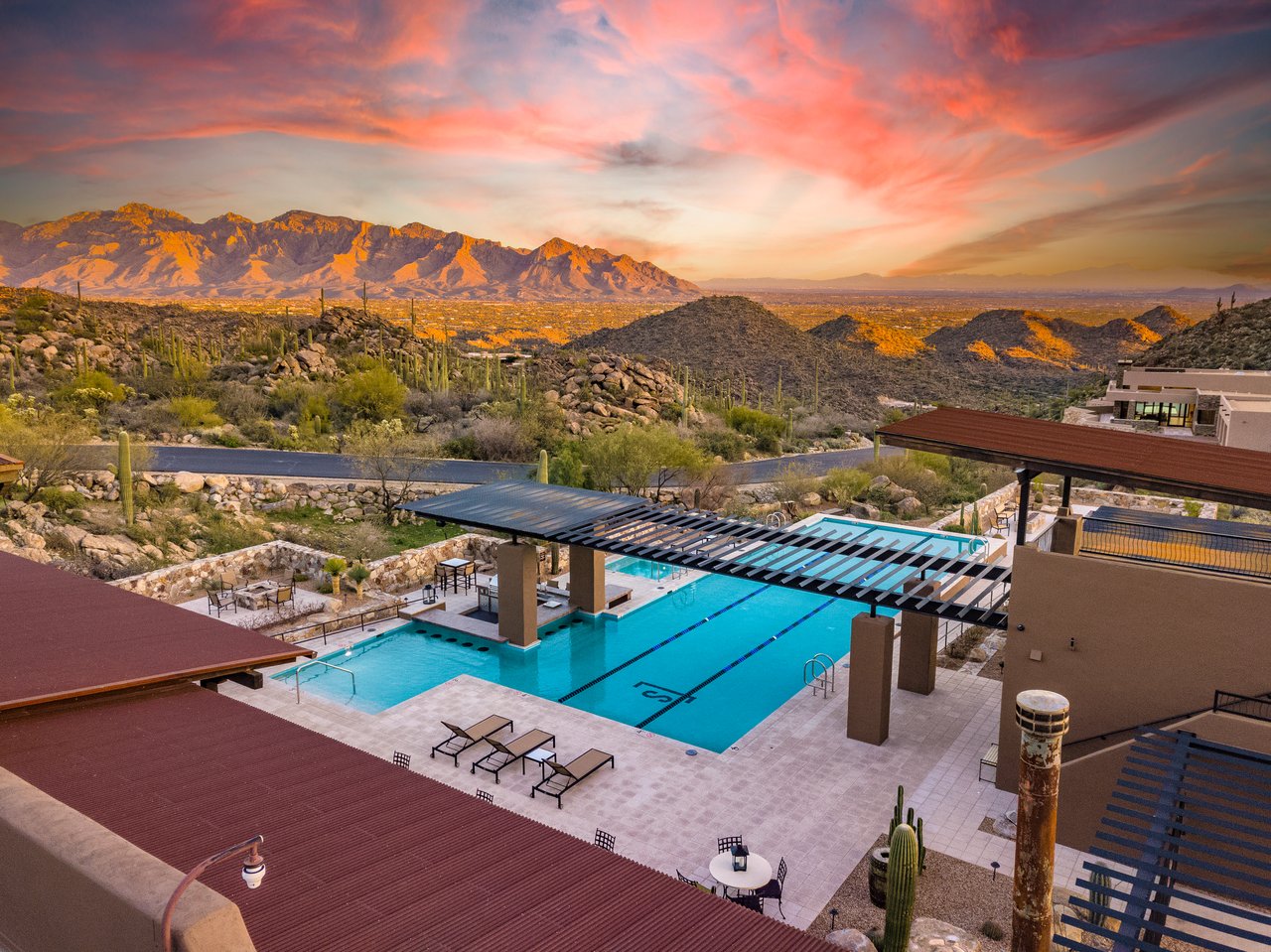
If you want a preservation-first setting with a curated path to a finished home, Saguaro Ranch was built for a buy-now, build-later approach. The community offers a limited inventory of one- to multi-acre homesites in the Tortolita Mountains, along with pre-approved architectural plans and preferred builders to shorten design and delivery. A dedicated design review process protects views and architectural quality. The Saguaro Ranch Club supports daily life with wellness-focused amenities, so your second home can feel effortless when you are ready to build.
Ready to walk a homesite, talk timelines, and shape a plan that fits your goals? Schedule a Private Visit with the team at Saguaro Ranch.
FAQs
What does “limited release” mean for Tucson lots?
- Developers sometimes offer lots in small phases with deposits and design controls, which gives early buyers the first choice of topography and views, but requires careful review of timelines and CC&Rs.
How long does a custom build usually take?
- A common range is 9 months to one year for design, 1 to 6 months for permitting, and 18 months to 36 months for construction, depending on site complexity and builder availability.
What carrying costs should I expect while holding land?
- Plan for property taxes, insurance, POA fees, utility minimums or connections, basic site maintenance, and loan interest if you finance the lot.
How is water service verified in the foothills?
- Confirm if a municipal or private provider serves the lot, or if a well is needed; review ADWR rules and ensure you understand the cost and steps to secure potable water.
Can I finance a land purchase now and build later?
- Yes. Buyers often use a land loan or cash for the lot, then a construction or construction-to-permanent loan once plans, permits, and a contractor are in place.