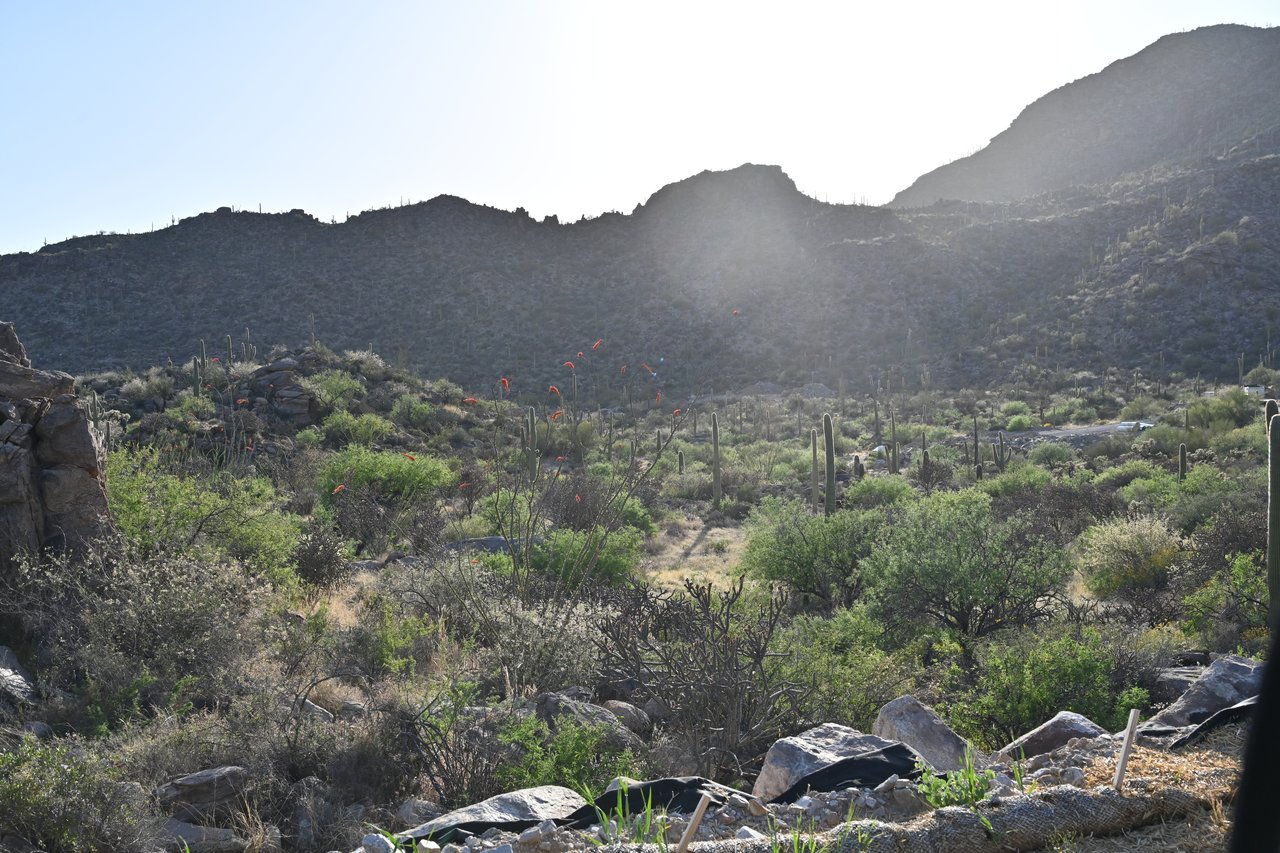
Hiking in the Tortolita Mountains is not an activity that must be scheduled around crowds, parking limitations, or congested trail systems. At Saguaro Ranch, hiking is part of everyday life, woven seamlessly into the rhythm of living within a preserved desert environment. Located in the foothills of the Tortolita Mountains in northwest Tucson, Arizona, Saguaro Ranch offers residents direct access to thousands of acres of open desert terrain that remains intentionally protected, quiet, and visually unspoiled.
This is not hiking as a recreational afterthought. It is hiking as a lifestyle, shaped by land-use decisions that prioritize space, conservation, and long-term stewardship. The experience reflects the character of the Sonoran Desert itself: expansive, resilient, and quietly powerful. For residents of Saguaro Ranch, stepping outside means stepping directly into a landscape that invites movement, reflection, and connection.
The Tortolita Mountains as a Natural Hiking Environment
The Tortolita Mountains form one of southern Arizona's most distinctive desert ranges. Unlike sharper, more dramatic mountain profiles, the Tortolitas rise gradually from the desert floor, creating rolling foothills, ridgelines, and granite-strewn slopes that feel accessible yet commanding. This geography makes the area particularly well-suited for hiking, appealing to a wide range of abilities and interests.
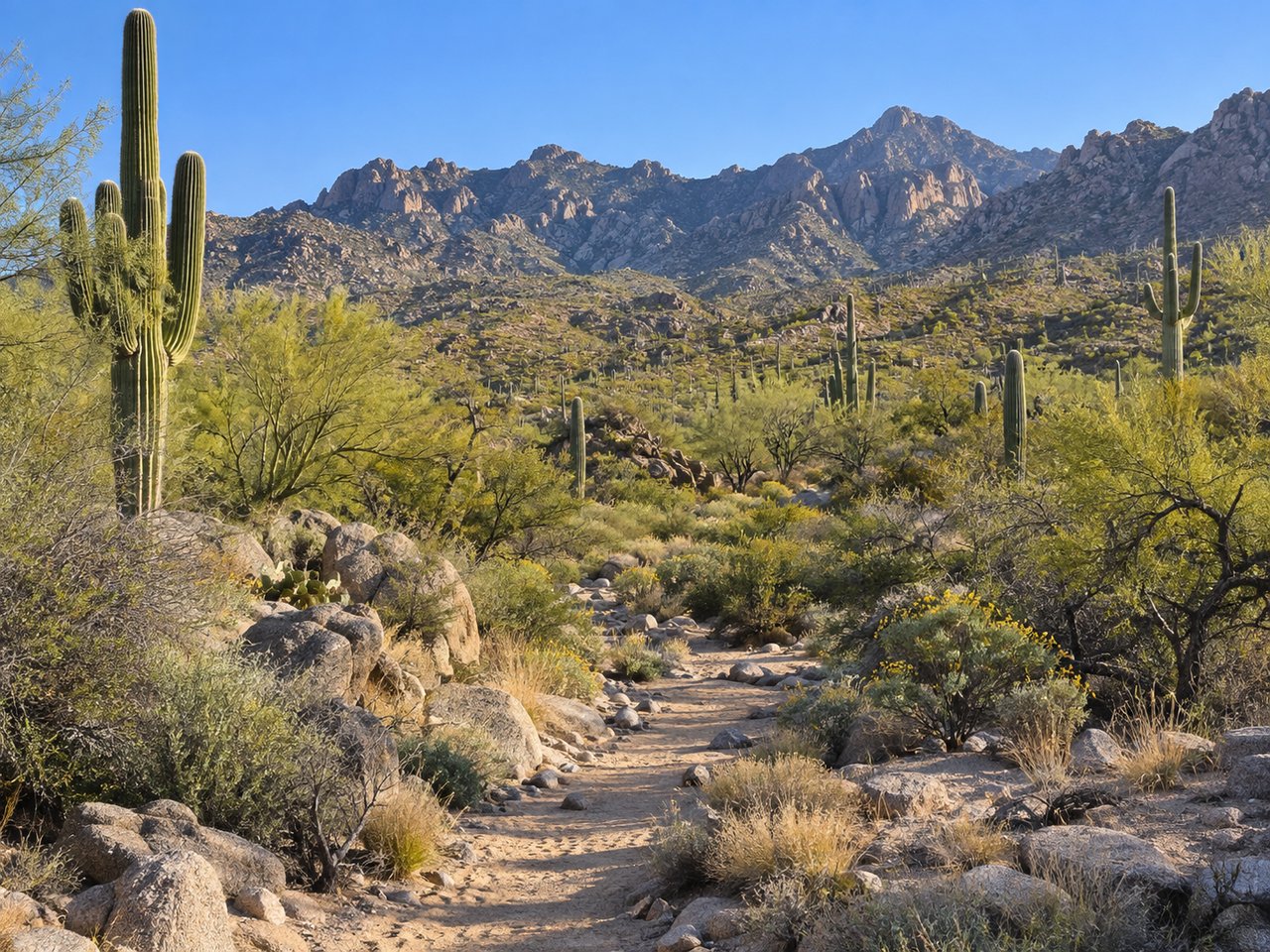
The terrain surrounding Saguaro Ranch includes desert washes, rocky outcroppings, elevated viewpoints, and gently sloping paths that follow the land's natural contours. Elevation changes provide physical challenge without requiring technical climbing skills, allowing hikers to engage deeply with the landscape while maintaining a sense of safety and control.
Importantly, much of the land surrounding Saguaro Ranch has been preserved in its natural state. Approximately 80% of the community's 1,200 acres remain undeveloped, ensuring that hiking routes are not fragmented by dense development or compromised by visual intrusion. This preservation creates continuity across the landscape, allowing hikers to experience the Tortolita Mountains as a cohesive and uninterrupted environment.
Informal Trails and Organic Exploration
Hiking at Saguaro Ranch does not depend on heavily engineered trails, paved surfaces, or extensive signage. Instead, the area features informal trail systems shaped by time, water flow, old jeep trails, wildlife movement, and careful land management. These natural pathways encourage exploration while reinforcing respect for the desert environment.
For many residents, this form of hiking is deeply appealing. Without rigid trail markers dictating movement, hikers develop an intuitive understanding of the land. Routes may follow a desert wash lined with mesquite and cactus, curve around clusters of saguaros, or gradually ascend toward higher ground where expansive views unfold.
This organic approach to hiking fosters awareness and presence. Hikers learn to read the landscape, observe subtle changes in terrain, and move thoughtfully through the environment. The result is a hiking experience that feels personal and immersive rather than programmed or commercialized.
Seasonal Rhythms of Hiking in the Desert
The Tortolita Mountains offer a dynamic hiking experience that shifts with the seasons, each period bringing its own character and rewards. From fall through spring, typically October through April, hiking conditions are at their most comfortable. Cooler temperatures, low humidity, and clear skies create ideal conditions for longer hikes and extended exploration.
During the winter months, the desert reveals subtle beauty. Occasional rainfall refreshes the landscape, deepening colors and supporting new growth. Spring introduces wildflowers that appear briefly yet vividly, adding bursts of yellow, purple, and white across the desert floor. These seasonal changes reward those who hike regularly, offering a continually evolving environment.
Summer hiking requires greater intention and respect for desert conditions. Early morning and evening hikes become preferred, aligning activity with cooler temperatures and softer light. These hours offer some of the most visually striking moments in the desert, as sunrise and sunset illuminate the Tortolita Mountains with dramatic color and shadow. For residents accustomed to desert living, these times offer a peaceful, restorative way to remain connected to the outdoors year-round.
Wildlife Encounters and Ecological Awareness
Hiking in and around Saguaro Ranch offers frequent opportunities to observe Sonoran Desert wildlife in its natural habitat. These encounters are typically quiet and respectful rather than intrusive. Deer may cross a trail at dawn, desert cottontails may pause briefly before disappearing into the brush, desert tortoises are most active in the spring and during the monsoon season, and hawks or ravens often glide overhead.
The presence of wildlife reinforces the importance of awareness and coexistence. Residents are encouraged to hike with attentiveness, maintain an appropriate distance, and allow animals to move freely through the landscape. This approach reflects a broader philosophy at Saguaro Ranch, one that recognizes the desert as a living ecosystem rather than a backdrop for human activity.
Understanding wildlife behavior becomes part of the hiking experience. Learning when animals are most active, recognizing tracks, and observing plant-animal interactions deepen appreciation for the Sonoran Desert's complexity and resilience.
Views, Vistas, and Perspective
One of the most compelling aspects of hiking in the Tortolita Mountains is access to expansive views that reveal the scale and openness of the surrounding desert. From elevated points, hikers can see across the Valley, toward distant mountain ranges, and into vast stretches of undeveloped land.
These vistas change throughout the day as light shifts and atmospheric conditions evolve. Morning hikes often offer crisp clarity, while afternoon and evening hikes highlight warm tones and long shadows. The absence of dense development ensures that views remain unobstructed, reinforcing a sense of space and calm.
At Saguaro Ranch, these visual experiences are protected by thoughtful planning and low-density design. Hiking becomes not only a physical activity but also an opportunity to reconnect with perspective, scale, and quiet, qualities increasingly rare in modern life.
Hiking as a Daily Lifestyle Practice
For residents of Saguaro Ranch, hiking is not confined to weekends or special outings. It is a daily option, readily accessible and integrated into everyday routines. Whether taking a short walk at sunrise, an extended afternoon hike, or an evening stroll as temperatures cool, residents can engage with the desert on their own terms.
This accessibility supports both physical health and mental well-being. Regular hiking encourages movement, reduces stress, and fosters a sense of balance. Walking through preserved desert land promotes mindfulness and offers space for reflection, free from noise and distraction.
Hiking also becomes a shared experience. Families, neighbors, and visitors often explore together, creating connections rooted in place and environment. These shared moments contribute to the strong sense of community that defines life at Saguaro Ranch.
Stewardship, Responsibility, and Preservation
Hiking in the Tortolita Mountains carries a responsibility to protect the land that makes the experience possible. Saguaro Ranch embraces this responsibility through land management practices focused on conservation, erosion control, and preservation of native vegetation.
Hiking in Saguaro Ranch and the Tortolita Mountains offers an experience defined by authenticity, tranquility, and intentional living. The preserved landscape, informal trail systems, seasonal variety, and expansive views create an environment where hiking feels both deeply personal and profoundly grounding.
For those who call Saguaro Ranch home, hiking is more than recreation. It is a daily connection to the Sonoran Desert, a reminder of the value of space and silence, and a reflection of a lifestyle shaped by stewardship and respect for the land.