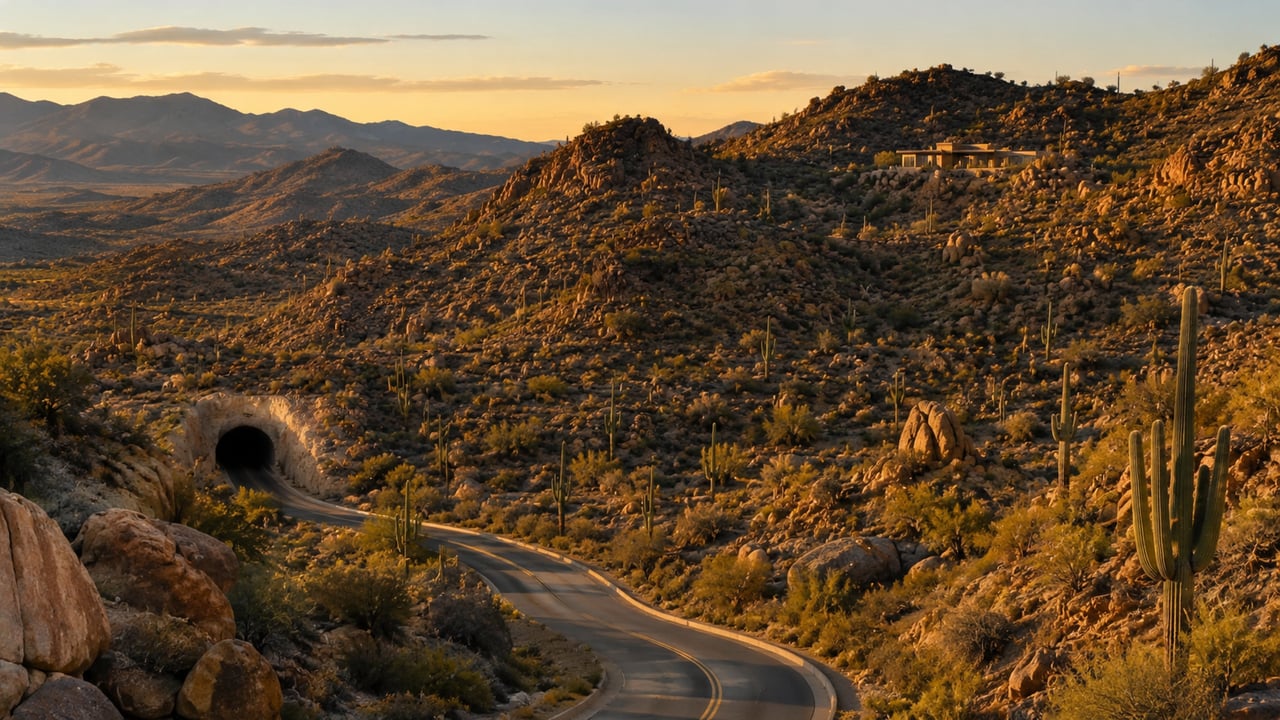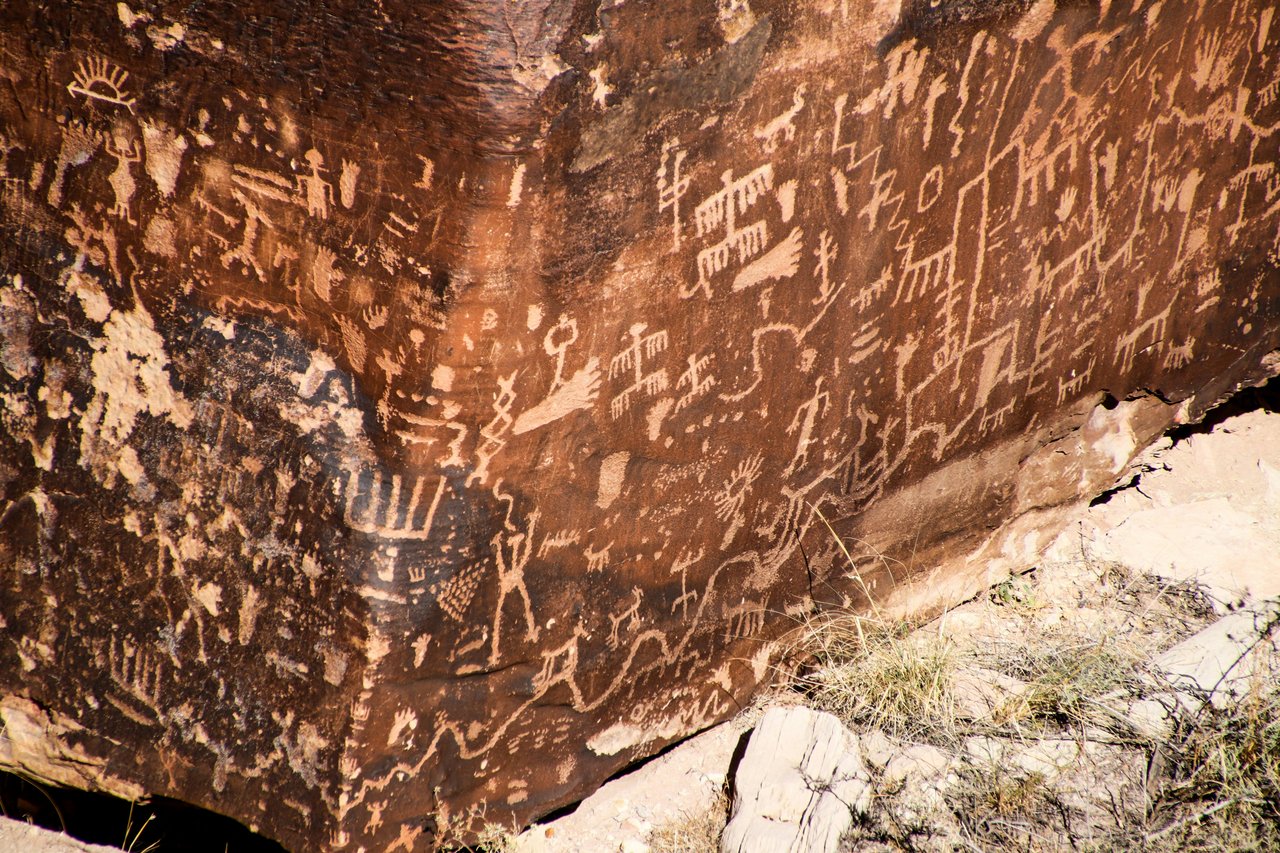
The Tortolita Mountains are defined not only by their rugged beauty and preserved desert landscape, but also by a deep and enduring human history. Long before modern development, roads, or mapped boundaries, this land was inhabited, traveled, and respected by Indigenous peoples whose presence is still visible today through petroglyphs etched into stone.
At Saguaro Ranch, living within the Tortolita Mountains means residing among these quiet markers of history. Petroglyphs and cultural sites serve as reminders that the land carries meaning beyond its physical form. They reflect thousands of years of human interaction with the desert and reinforce the responsibility to approach the landscape with respect, awareness, and stewardship.
The Tortolita Mountains as a Cultural Landscape
The Tortolita Mountains have long served as a corridor and gathering place for Indigenous peoples of the Sonoran Desert. The region’s elevation, access to seasonal water sources, and wide views made it a strategic and meaningful location for travel, habitation, and cultural expression.
Rather than being isolated artifacts, petroglyphs found throughout the Tortolitas are part of a broader cultural landscape. Rock outcroppings, washes, and elevated ridges were intentionally selected for their visibility, permanence, and relationship to the surrounding environment. These locations allowed messages, symbols, and stories to endure across generations.
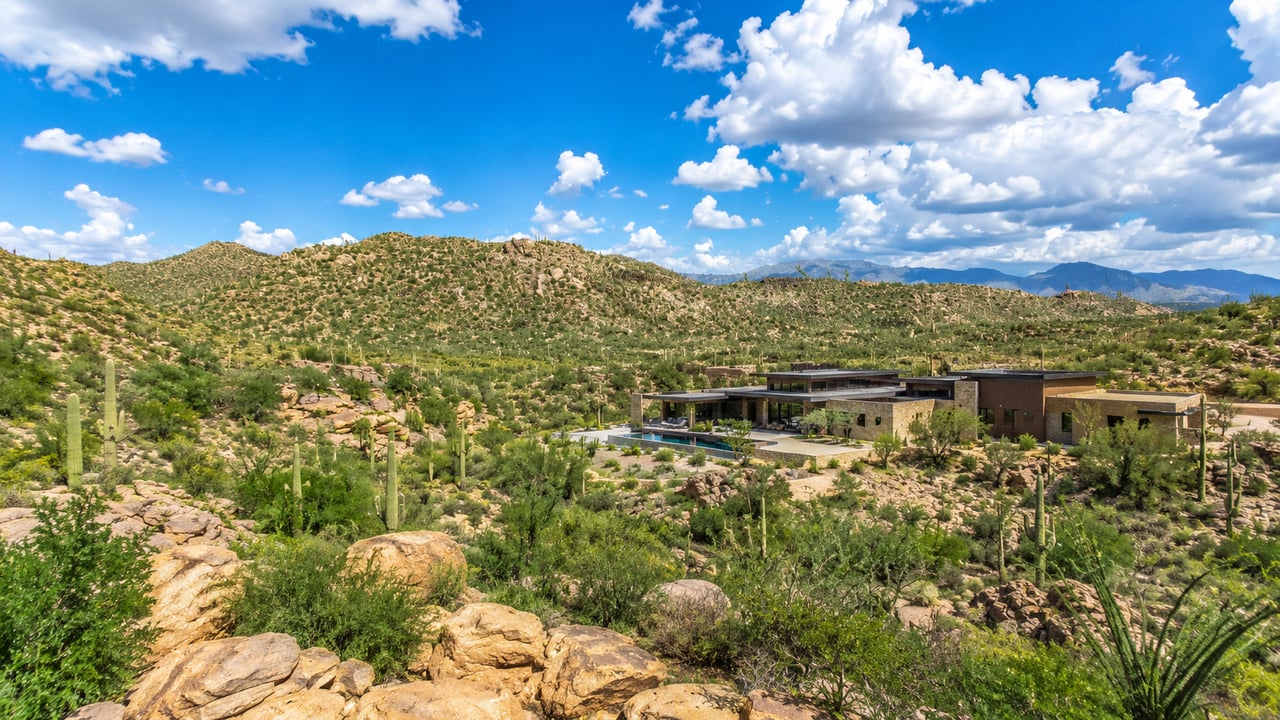
Saguaro Ranch is situated within this historically rich setting. The preservation of open land within the community helps protect not only the desert ecosystem but also the integrity of these cultural spaces, ensuring they remain part of the living landscape rather than relics disconnected from their surroundings.
Understanding Petroglyphs in the Sonoran Desert
Petroglyphs are images carved, pecked, or etched into rock surfaces, often created by removing the darker outer layer of the rock to reveal the lighter material beneath. In the Sonoran Desert, these carvings can remain visible for centuries due to the arid climate and relative stability of rock surfaces.
The petroglyphs found in and around the Tortolita Mountains vary in form and complexity. Common motifs include geometric patterns, animals, human figures, and abstract symbols. While the exact meanings of many petroglyphs are not definitively known, they are widely understood to represent communication, storytelling, spiritual beliefs, or markers of place.
It is important to recognize that petroglyphs are not decorative art in the modern sense. They are cultural expressions tied to specific peoples, traditions, and moments in time. Their presence underscores the idea that the desert has long been a place of meaning and connection.
Indigenous Presence and Legacy
The cultural history of the Tortolita Mountains is closely associated with Indigenous groups who lived in and moved through the region over thousands of years. These communities developed sophisticated knowledge of the desert, including seasonal patterns, water sources, plant use, and navigation across vast landscapes.
Petroglyphs are one of the most enduring records of this presence. They offer insight into how Indigenous peoples understood and related to the land. The placement of carvings often reflects intentional relationships with natural features such as mountain peaks, washes, or celestial alignments.
At Saguaro Ranch, acknowledgment of this legacy is an essential part of living within the Tortolita Mountains. The land is not viewed as empty or newly discovered but as a place shaped by generations of human experience.
Respectful Observation and Preservation
Petroglyphs are fragile cultural resources. Although carved into stone, they are vulnerable to erosion, vandalism, and unintentional damage caused by human contact. Oils from hands, foot traffic near rock surfaces, and even seemingly minor disturbances can accelerate deterioration.
Residents and visitors at Saguaro Ranch are encouraged to observe petroglyphs respectfully and from a distance. Preservation efforts emphasize education and awareness rather than access or promotion. These sites are not meant to be interacted with physically but appreciated as part of the broader desert environment.
This approach aligns with Saguaro Ranch's stewardship philosophy. Protecting cultural history is viewed as inseparable from protecting the land itself.
The Role of Preservation in Modern Desert Living
Modern desert living carries an obligation to honor the past while shaping the future responsibly. At Saguaro Ranch, land preservation decisions are informed not only by environmental considerations but also by cultural awareness. Maintaining large areas of undeveloped land reduces the risk of disturbing sensitive historical sites and allows the landscape to retain its integrity.
Preservation is not passive. It requires ongoing attention, informed planning, and a commitment to restraint. By limiting density and emphasizing thoughtful placement of homes and infrastructure, Saguaro Ranch helps ensure that cultural features remain undisturbed and respected.
Cultural Awareness as Part of the Saguaro Ranch Lifestyle
Living at Saguaro Ranch offers residents the opportunity to engage with the desert on multiple levels. Cultural awareness becomes part of daily life, shaping how residents hike, explore, and observe their surroundings. Recognizing petroglyphs and understanding their significance fosters a deeper sense of place and responsibility.
This awareness also influences how the community communicates its values. Saguaro Ranch is positioned not merely as a residential development, but as a steward of land with historical and cultural significance. This perspective resonates with those who value authenticity, preservation, and meaningful connection to place.
Silence, Time, and Perspective
Petroglyphs invite reflection. Standing near ancient carvings in the quiet of the Tortolita Mountains offers a powerful reminder of time’s scale and continuity. The desert landscape has witnessed countless generations, each leaving subtle marks while respecting the land's endurance.
At Saguaro Ranch, this sense of perspective is part of the experience of living in the desert. The presence of cultural history reinforces values of patience, respect, and long-term thinking, qualities that align closely with the community’s vision.
The petroglyphs and cultural history of the Tortolita Mountains add depth and meaning to life at Saguaro Ranch. They remind residents that the land is not only visually striking but also culturally significant, shaped by human experience long before modern development.
By preserving open space, encouraging respectful observation, and acknowledging Indigenous legacy, Saguaro Ranch honors the past while providing a thoughtful framework for the future. Living among these markers of history offers a rare opportunity to connect with the desert not only as a place but as a story that continues to unfold.