Open a portal in mid-July and Tucson looks like a buyer's market. The citywide median sits near $310,000, days on market have stretched to about 82, and months of supply has climbed past the four-month line that local analysts treat as the balanced threshold. Every general-market report reads the same way, and every general-market report is telling the truth about a market you are probably not shopping in.
The Tortolita foothills luxury tier is running the opposite direction, and the reason has less to do with desert real estate than with a calendar.
The friction that shows up at the closing table, not on the portal
A luxury seller who cuts price in July is not negotiating with a July buyer. There isn't one. The cash buyer pool for Tucson estate properties comes from the Midwest, western Canada, and the Pacific Northwest, and they are not on the ground in 105-degree heat. What the July cut actually does is stamp the listing with an inflated days-on-market count and a visible price-reduction history that the same buyer will use as an opening lever in January.
That is the transaction-level mechanism that a mid-year market read has to account for. A luxury listing carrying 90 days and one reduction in July looks stale to a January shopper who has been watching from Minneapolis for three weeks. The seller pays for the summer impatience twice: once in the July reduction, once in the January counteroffer that anchors to it. Oliver Realty's 2026 luxury calendar frames the same point from the seller's side, recommending a mid-January list date and treating July through September as prep months rather than launch months.
For a buyer, the inverse reading is more useful. The listings still active in late summer are the ones whose owners either understand the calendar and priced with conviction, or don't understand it and will keep cutting. Sorting between the two is the actual work.
Three markets, one median, and the number that separates them
The headline softness is real at the citywide tier and disappears at the top. The gap is visible once the tiers are put next to each other rather than averaged.
| Segment (June 2026) | Median | DOM | Months of supply | YoY move |
|---|---|---|---|---|
| Tucson citywide | ~$310K | ~82 | 4.7 | −1% |
| Foothills (85718, 85715, 85749, 85750) | $625K | 65 | 4.6 | −0.8% |
| MLSSAZ luxury $1M+ | $1,389,147 | — | 5.1 | +6% |
The luxury tier posted 51 closings in June 2026, down about 6% from June 2025, with year-to-date closings running roughly 4% behind. Volume is off. Price is up. Inventory available to a buyer is tighter than it was a year ago, with months of supply moving from 5.6 to 5.1. That is the number worth staring at. When the general market moves toward buyers by adding supply and stretching DOM, and the luxury segment moves the other way by contracting supply and lifting median, the two are not the same market having a bad summer together. They are two different markets on two different clocks.
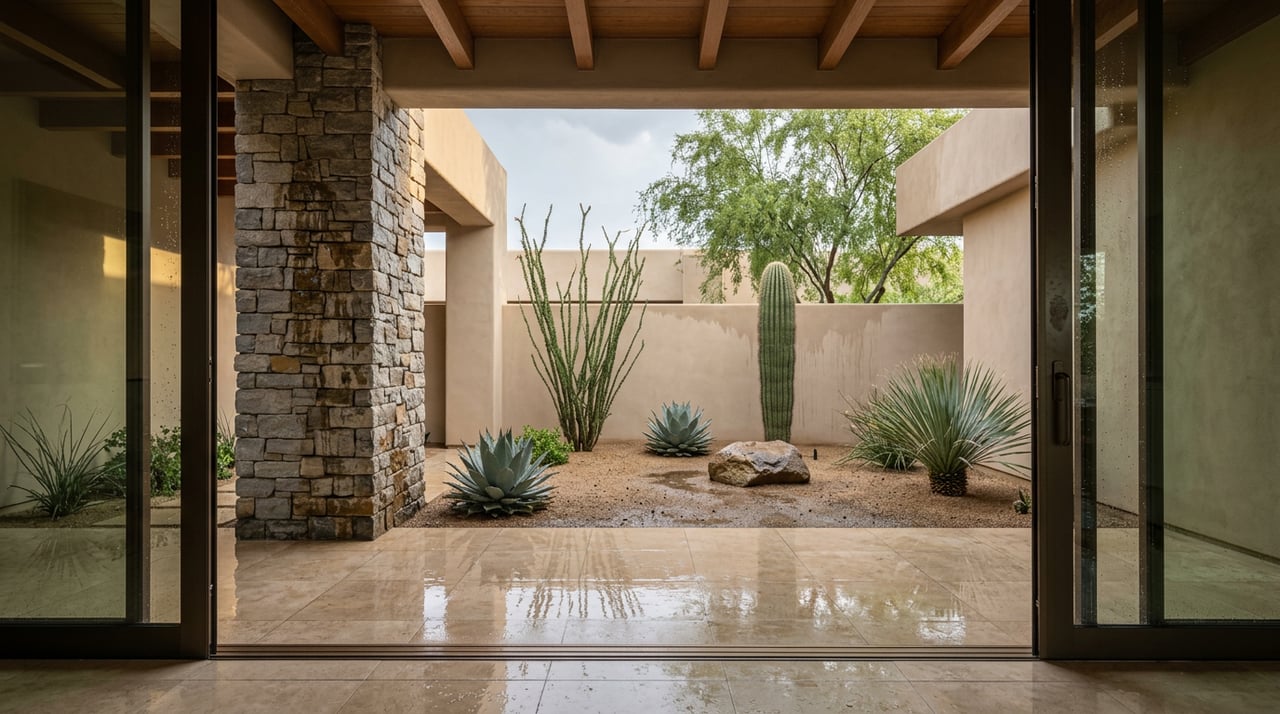
The Marana at-large figures illustrate why the citywide read misleads at the top. The Marana median sits near $436,000 and is down roughly 10% year over year, which is the number most relocation blogs are quoting when they call Marana a buyer's market. That figure is dominated by production-builder inventory on smaller lots south of Tangerine. It says almost nothing about an acre-plus homesite on the north side of the Tortolita fan, and it certainly says nothing about a Canyon Pass at Dove Mountain lot or a homesite inside a preservation-first development where 80 percent of the land is held undisturbed.
What $1.4 million actually buys, and why the average obscures it
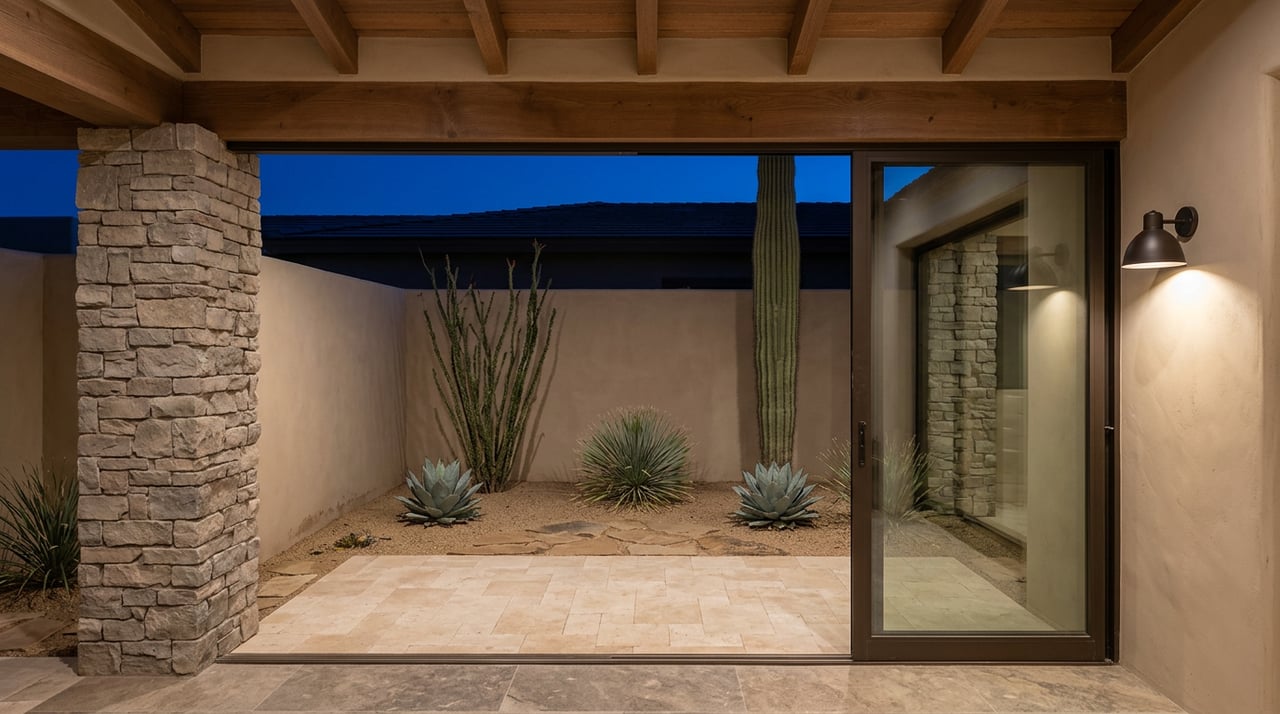
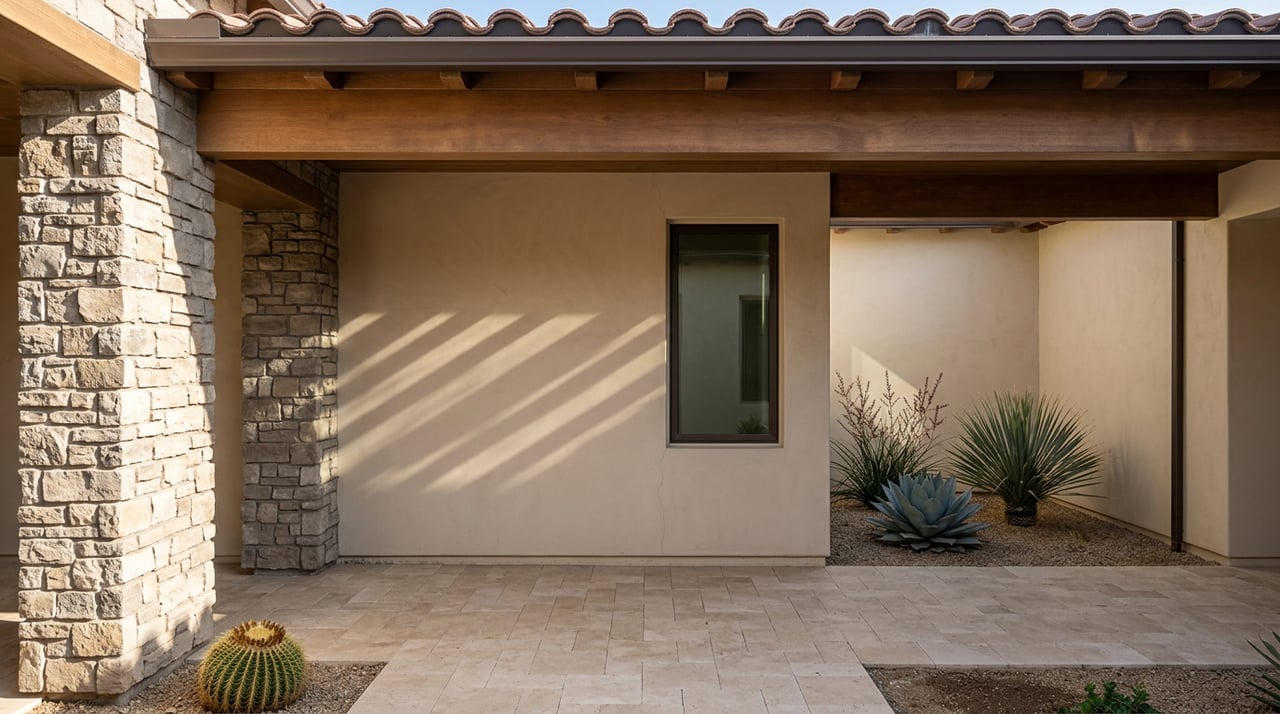
At $1,389,147 the June 2026 luxury median describes a product range wide enough that the number stops being useful without geography attached. Inside the Foothills, that figure lands you in the La Paloma or Sabino Mountain resale core, a four-bedroom on an interior lot with mature landscaping and the tradeoffs that come with 1990s and 2000s construction. Push the same money into the Tortolita foothills north of Tangerine Road and the product changes shape. Tortolita Vistas by Mattamy Homes lists new-construction plans from about $755,000 across 2,778 to 3,290 square feet on estate-sized lots with undisturbed desert between homes. Canyon Pass at Dove Mountain sells guard-gated custom lots on parcels running past three acres. The Estates at Tortolita Preserve, backing to the 2,400-acre Tortolita Preserve established by Marana in 2009, offers 25 gated lots between 2.5 and just over four acres.
None of that inventory shows up in a Foothills 85718 median. Some of it shows up in a Marana median that is being pulled down by product 12 miles away.
The Long Realty Q1 2026 report described the $1M+ segment as running consistent with 2025 demand, itself already elevated. That baseline is the fact the summer headline is hiding.
Why luxury inventory tightened when everything else loosened
Three drivers explain the divergence:
- Cash insulation. The buyer pool at $1M+ is dominated by relocators from higher-cost western metros and by second-home purchasers whose transactions are less sensitive to the mid-6% mortgage environment that JVM and NAR consensus forecasts expect to persist through year-end 2026.
- Seasonality of listing behavior. Sellers who know the calendar hold inventory off the market in summer and stage for a fall or winter launch. That behavior removes supply from the June and July counts before it removes buyers.
- Product scarcity at the acreage tier. New releases of one-acre-plus foothills homesites are constrained by preservation-driven site planning and by the pace at which developers bring lots to market. Camino Verano's April 2026 Phase 1 acquisition of 480 finished lots by Ashton Woods and Starlight Homes for $49.3 million was the largest single lot transaction of the year in the Tucson market, and it produced production housing at Rita Road, not luxury acreage in the Tortolitas.
The supply picture at the top is a slower-moving thing than the citywide months-of-supply chart suggests. When it contracts, it contracts against a demand base that has been building for two years.
Reading the seller's calendar as a buyer
The Foothills submarket report for June 2026 pegged sale-to-list at 96.8 percent and noted that above $1.5 million, disciplined offers of 6 to 10 percent under list are working on properties past 60 days on market. That range is the practical negotiating window for the balance of summer. It is wider than the same window in January will be, and it is available specifically because the seller pool is thin on buyers this month.
Two questions decide whether a July offer is a bargain or a trap.
The first is whether the property was priced for the January market and is now carrying inflated DOM because the seller listed six months early. Those are the summer opportunities. The second is whether the property was priced for the peak of 2022 and has been reducing ever since. Those look identical on the surface and reward the opposite behavior.
Sorting the two requires reading the listing history, the surrounding submarket's absorption rate at the specific price band, and the site itself. It is the part of the transaction where an on-the-ground read matters more than a portal filter, and where the "median" number that started this piece finally becomes irrelevant.
FAQ
Does the softening citywide market pull luxury prices down eventually? Historically the two tiers move on different cycles in Tucson. The Foothills submarket held within a narrow band even when the broader market softened through 2025 and into early 2026, according to local June 2026 reporting. Cash-driven, relocation-fed demand at $1M+ is less coupled to mortgage-rate movements that drive the entry market.
Is Marana's 10% year-over-year median drop relevant to Tortolita foothills acreage? Not directly. The Marana at-large median is weighted by production-builder inventory on smaller lots. Guard-gated acreage in the Tortolita foothills, Canyon Pass, Gallery Canyon, and preservation-first developments trade on a different demand curve and a different supply pipeline.
If the best listing window is January, why look now? Because the January window is a seller's calendar. The summer window is a buyer's calendar. The active inventory in July and August includes properties whose sellers listed early against the season and are now carrying DOM they cannot recover in a fall relaunch. Those properties reward a patient offer in a way that January properties, priced fresh into a full buyer pool, do not.
If you are weighing an acre-plus homesite in the Tortolita foothills against what the citywide medians appear to say, the number that matters is the one attached to your specific parcel, its view corridor, and the pace at which comparable inventory is coming to market inside a preservation-controlled release. Saguaro Ranch invites qualified buyers to Schedule a Private Visit and read the summer market against the specific homesite, not the headline.