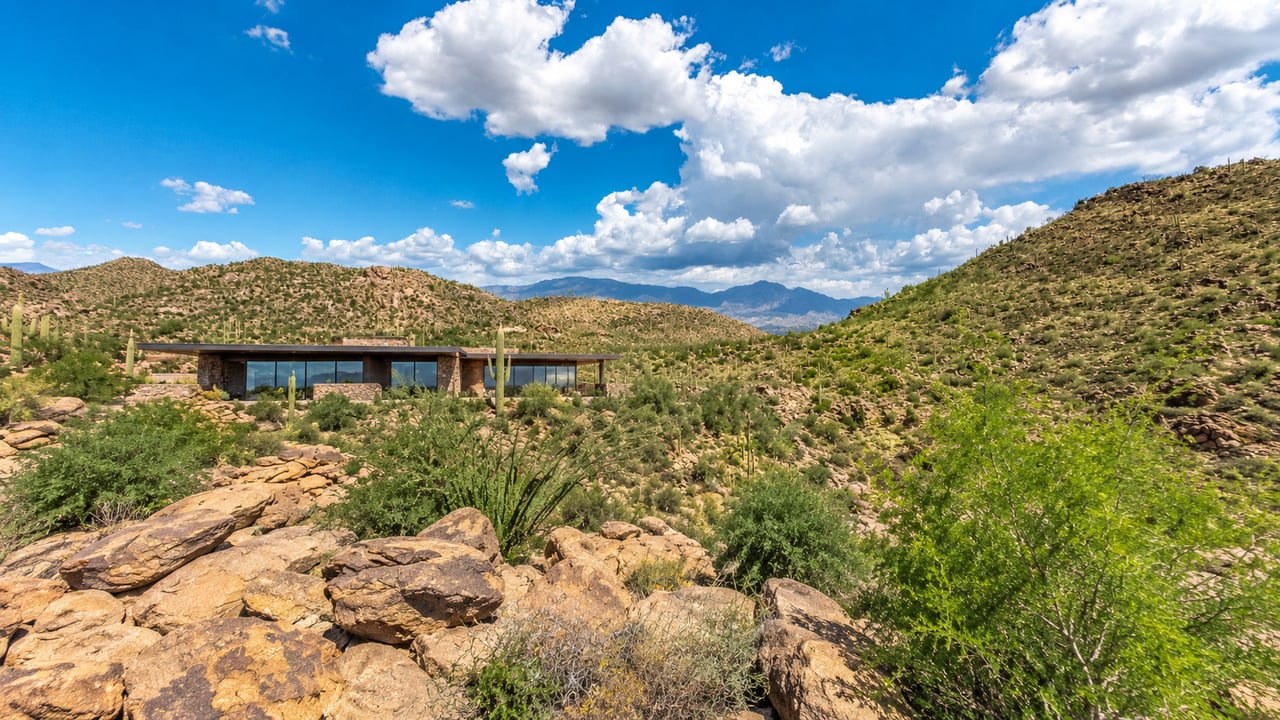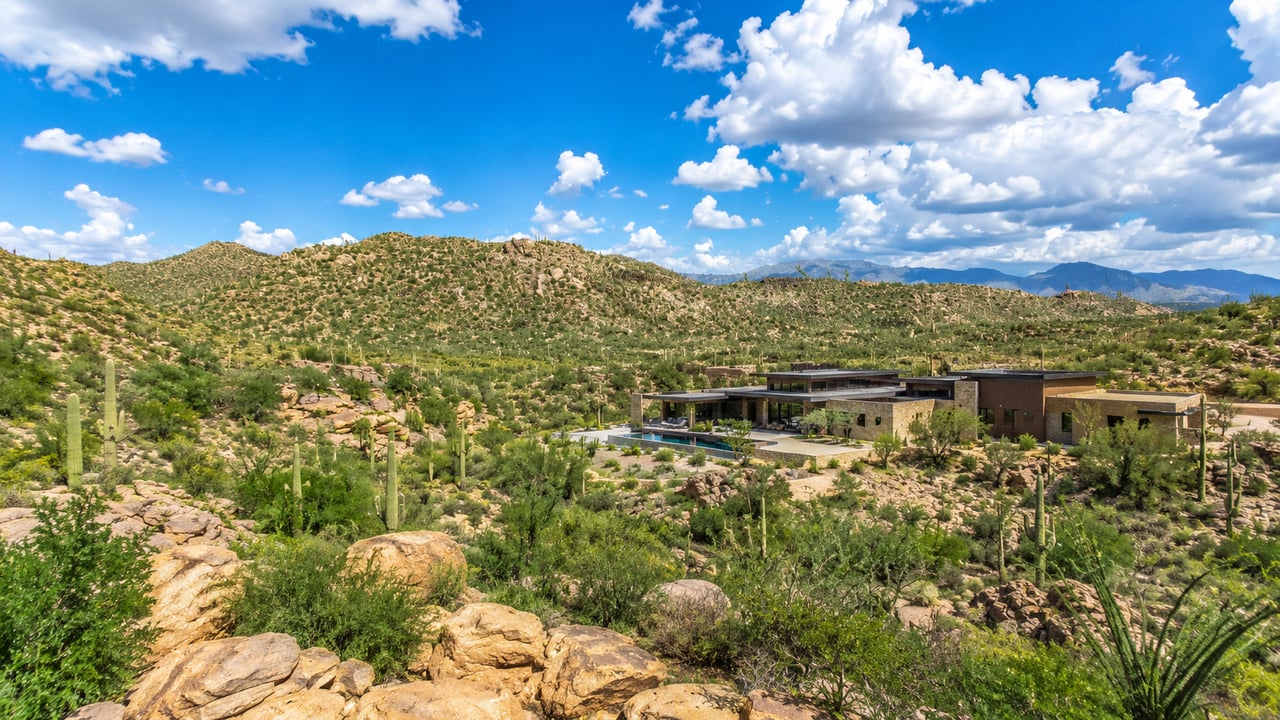
Living within the Sonoran Desert means sharing the landscape with a remarkable range of wildlife. At Saguaro Ranch, this coexistence is not incidental; it is an essential part of desert living and a defining characteristic of the Tortolita Mountains. From iconic rattlesnakes to elusive mammals and diverse bird species, the animals of the Sonoran Desert contribute to the ecological balance and sense of authenticity that distinguish life at Saguaro Ranch.
Understanding these animals, their behaviors, and their role within the ecosystem allows residents to live confidently and respectfully within the desert environment. Rather than approaching wildlife with fear or avoidance, desert living at Saguaro Ranch encourages awareness, education, and thoughtful coexistence.
The Sonoran Desert as a Living Ecosystem
The Sonoran Desert is one of the most biologically diverse deserts in the world. Its unique climate, marked by both winter rains and summer monsoons, supports an unusually wide variety of plant and animal life. The Tortolita Mountains create elevation changes and microhabitats that further increase biodiversity, making the area surrounding Saguaro Ranch particularly rich in wildlife.
Animals in this environment have evolved specialized adaptations that allow them to survive and thrive in desert conditions. Nocturnal activity patterns, efficient water use, and seasonal behaviors all contribute to the resilience of desert species. Observing these adaptations firsthand is part of what makes living at Saguaro Ranch both educational and rewarding.
Rattlesnakes: Understanding an Iconic Desert Species
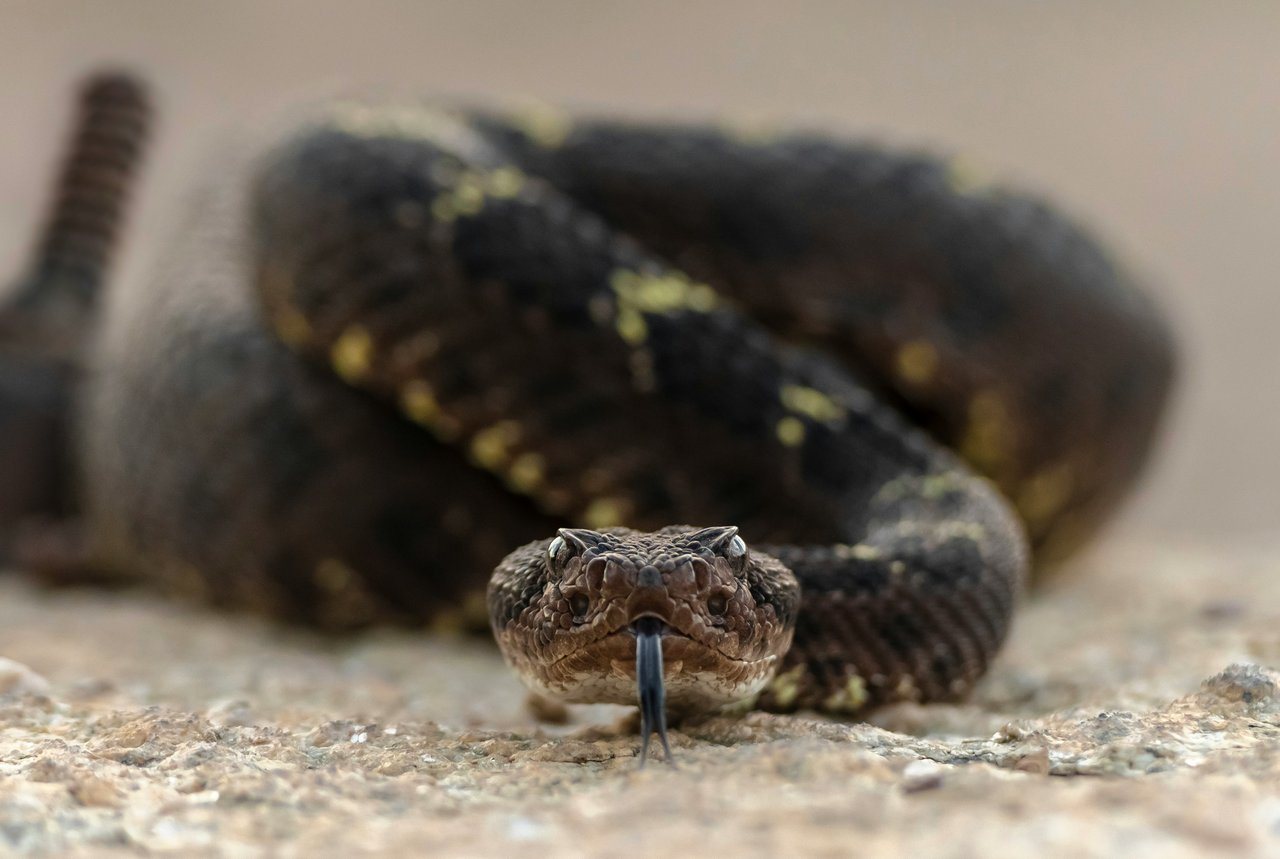
Rattlesnakes are among the most recognizable and often misunderstood inhabitants of the Sonoran Desert. Several species are native to the Tortolita Mountains, including the western diamondback and the Mojave rattlesnake. Their presence is a natural and important component of the desert ecosystem.
At Saguaro Ranch, rattlesnakes are not viewed as threats to be eliminated but as wildlife to be respected. These snakes play a critical role in controlling rodent populations, contributing to ecological balance. They are generally reclusive animals that avoid human interaction whenever possible.
Most rattlesnake encounters occur when snakes are active during warmer months, particularly in spring and early fall. They are often found near rock outcroppings, washes, or shaded areas where they regulate body temperature. Awareness of these habitats allows residents to minimize surprise encounters.
Safe Coexistence With Rattlesnakes
Successful desert living includes practical knowledge about rattlesnake behavior and safety. At Saguaro Ranch, residents are encouraged to remain alert while hiking, walking, or working outdoors, especially during warmer periods. Wearing appropriate footwear, avoiding tall grasses or dense brush, and giving snakes ample space are simple but effective precautions.
Rattlesnakes typically warn before defending themselves, using their rattle as an audible signal. This behavior provides humans with the opportunity to pause, observe, and retreat safely. Importantly, snakes should never be approached, harassed, or harmed. Maintaining distance protects both people and wildlife.
Educational awareness reduces fear and supports a calm, informed response to encounters. This approach aligns with the broader philosophy of respect and stewardship that defines life at Saguaro Ranch.
Mammals of the Tortolita Mountains
Beyond reptiles, the Tortolita Mountains are home to a variety of desert mammals. Mule deer are commonly observed moving through washes and open areas, particularly during early morning and evening hours. Javelina, which travel in small family groups, are another familiar presence and are often seen foraging near vegetation.
Smaller mammals such as desert cottontails, jackrabbits, and ground squirrels are active throughout the area and play important roles in seed dispersal and soil aeration. Coyotes, though typically elusive, are part of the natural balance and help regulate population levels within the ecosystem.
These animals generally avoid direct interaction with humans. Observing them from a distance allows residents to appreciate their behavior without disrupting natural patterns.
Birds and Avian Diversity
Birdlife is one of the most visible and dynamic aspects of wildlife at Saguaro Ranch. The Sonoran Desert supports a wide range of resident and migratory birds, many of which rely on saguaros, palo verde trees, and desert washes for nesting and shelter.
Common sightings include hawks, owls, ravens, quail, and hummingbirds. Seasonal migrations bring additional species, adding variety and interest throughout the year. Birds serve as indicators of environmental health and contribute to the desert's soundscape, particularly during the early morning hours.
For residents, birdwatching often becomes an informal and rewarding activity, offering daily opportunities to engage with the desert environment.
Reptiles, Insects, and Smaller Desert Life
In addition to rattlesnakes, the Tortolita Mountains support other reptiles such as lizards, including chuckwallas and whiptails, which are frequently seen basking on rocks. These species are well adapted to desert conditions and are generally harmless to humans.
Insects, though often overlooked, play vital roles in pollination and food chains. Bees, butterflies, and beetles support plant reproduction, while scorpions and other arthropods contribute to ecological balance. Understanding their presence helps residents approach desert living with knowledge rather than apprehension.
Living Responsibly Among Wildlife
Coexisting with desert wildlife requires thoughtful choices and awareness. At Saguaro Ranch, responsible practices include securing food sources, managing landscaping appropriately, and avoiding actions that attract animals to residential areas. These measures help maintain natural behavior patterns and reduce the likelihood of conflict.
Residents are encouraged to view wildlife encounters as opportunities for observation rather than interaction. This perspective supports both safety and conservation, ensuring that animals remain wild and self-sustaining.
Wildlife as Part of the Saguaro Ranch Experience
Wildlife presence contributes significantly to the sense of place at Saguaro Ranch. Observing animals moving through the desert reinforces the authenticity of the environment and the value of preservation. These encounters serve as daily reminders that the community exists within a living ecosystem rather than apart from it.
This connection to wildlife enhances the experience of desert living, offering moments of wonder, learning, and respect that extend beyond traditional residential settings.
Rattlesnakes and other Sonoran Desert animals are integral to life at Saguaro Ranch and within the Tortolita Mountains. Understanding their roles, behaviors, and habitats allows residents to coexist safely and respectfully within the desert environment.
By approaching wildlife with awareness rather than fear, residents embrace a core aspect of desert living. This balance of education, stewardship, and respect reflects Saguaro Ranch's values and supports a lifestyle deeply connected to the land.