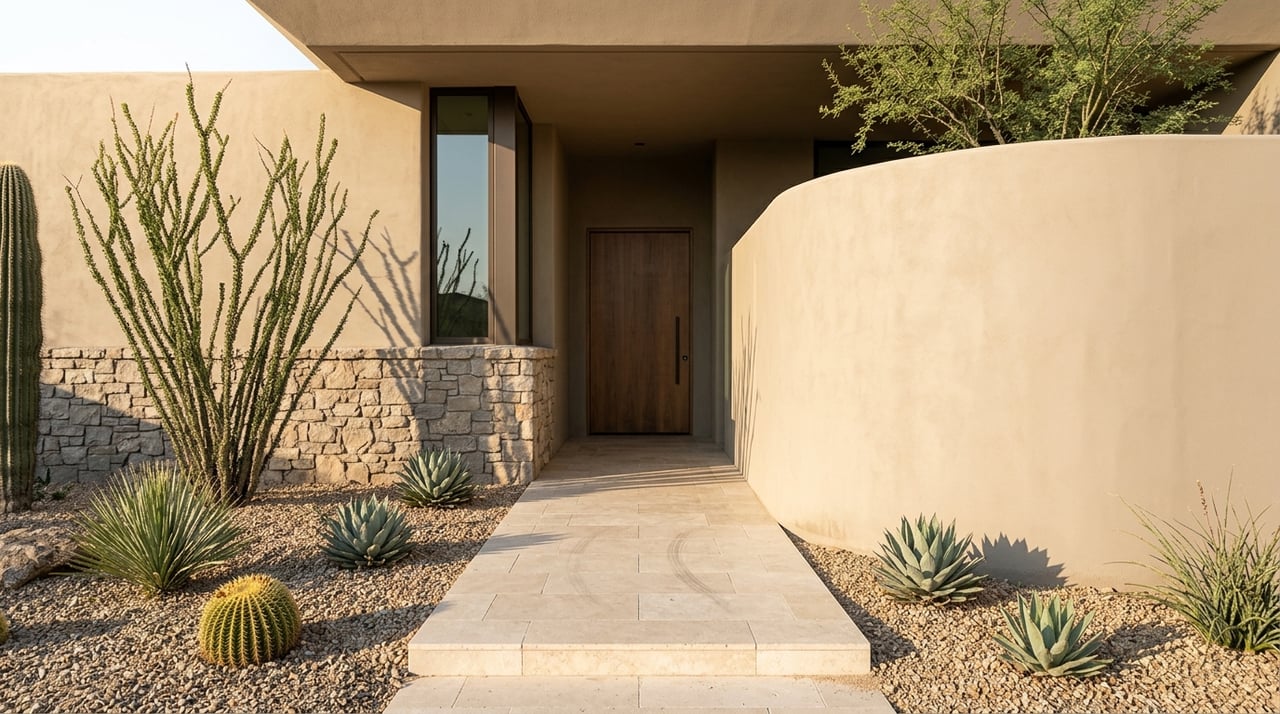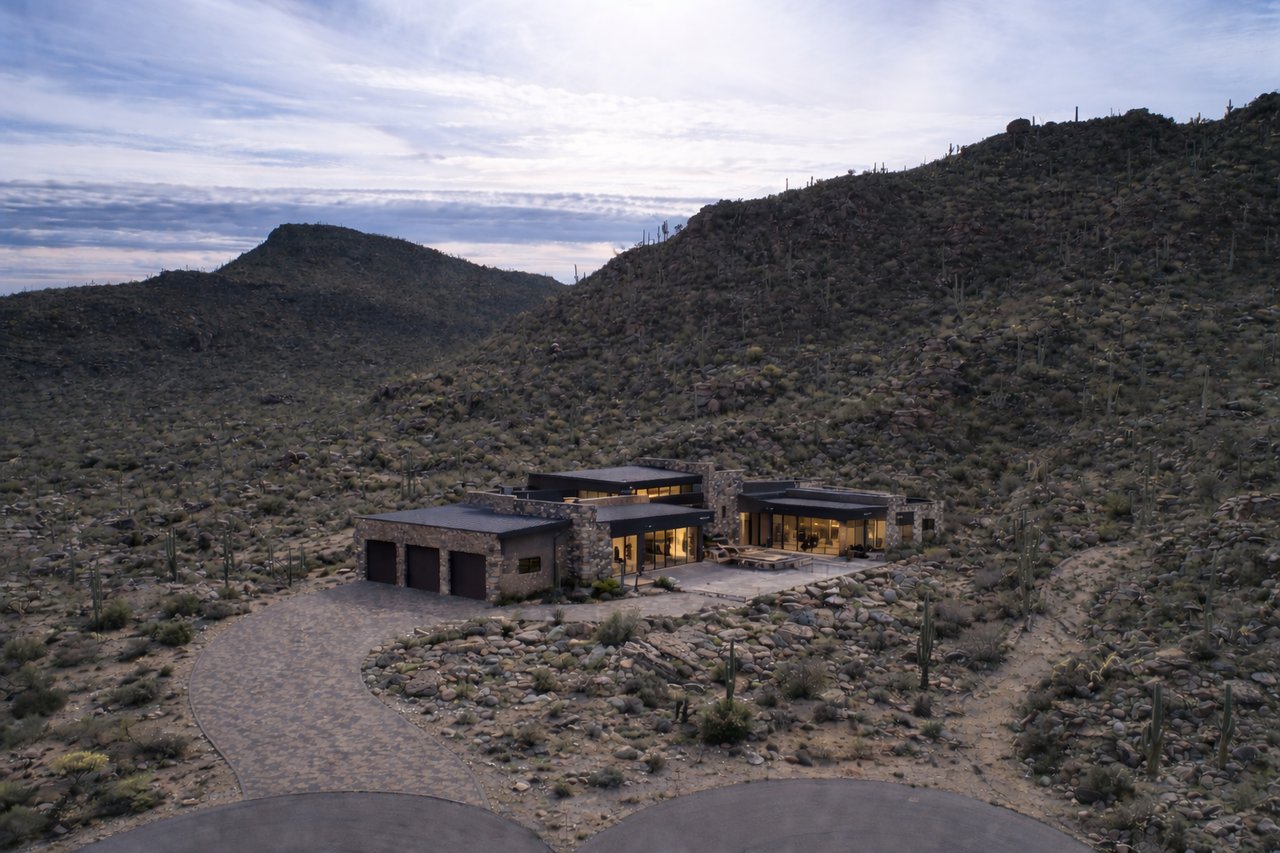
Choosing between an intimate canyon homesite and a larger estate homesite in Tucson’s Tortolita Mountains can feel exciting and a bit overwhelming. You want privacy, design quality, and a home that fits the land as much as your lifestyle. In this guide, you’ll see how Moonlight Canyon’s canyon lots compare with larger estate homesites on topography, privacy, build complexity, costs, permitting, and day‑to‑day living. You’ll also get a clear checklist to move forward with confidence. Let’s dive in.
What Moonlight Canyon offers
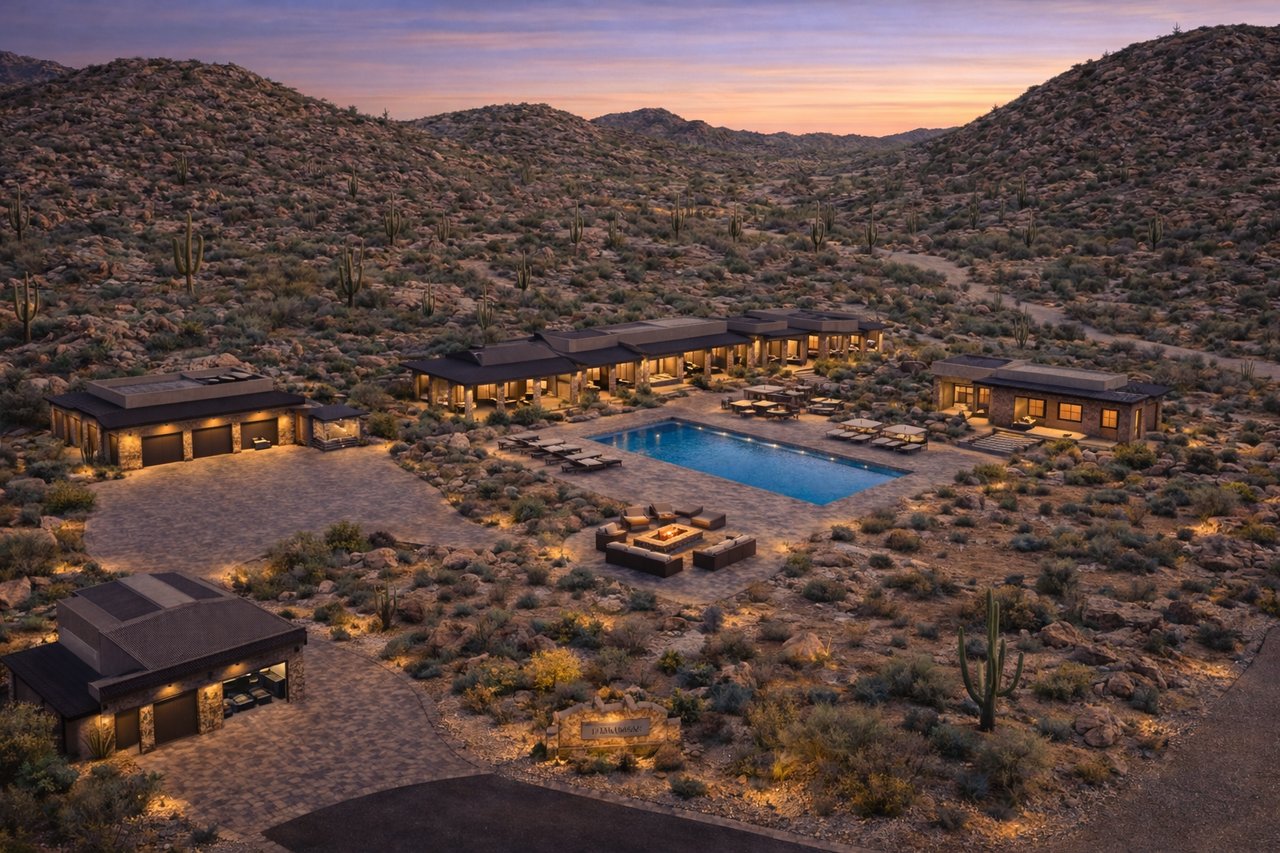
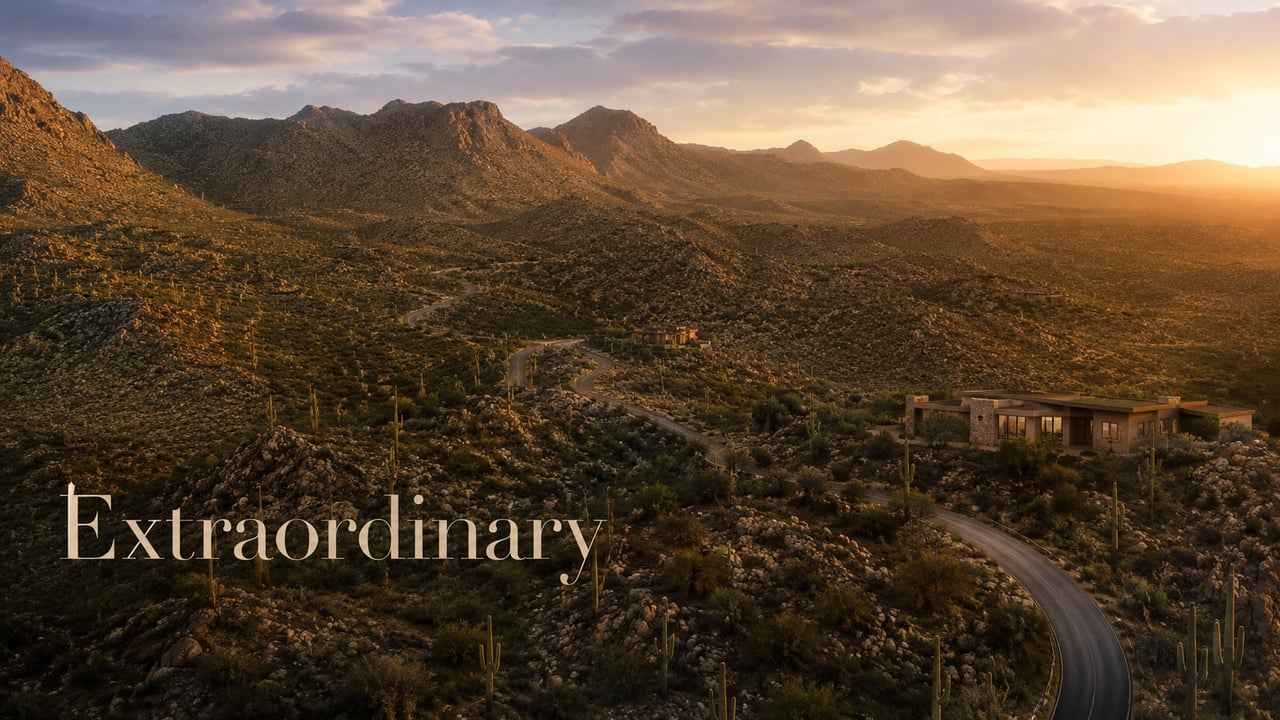
Moonlight Canyon sits within the gated Saguaro Ranch master plan in the Tortolita Mountains north of Tucson. The enclave features roughly one to four acre homesites designed for site‑specific contemporary desert homes that respect boulders, saguaros, and natural slopes. The broader community emphasizes preservation, underground utilities, and a design review process that protects views and quality. Explore the setting and design standards on the Saguaro Ranch neighborhood overview and the Moonlight Canyon overview.
How estate homesites differ
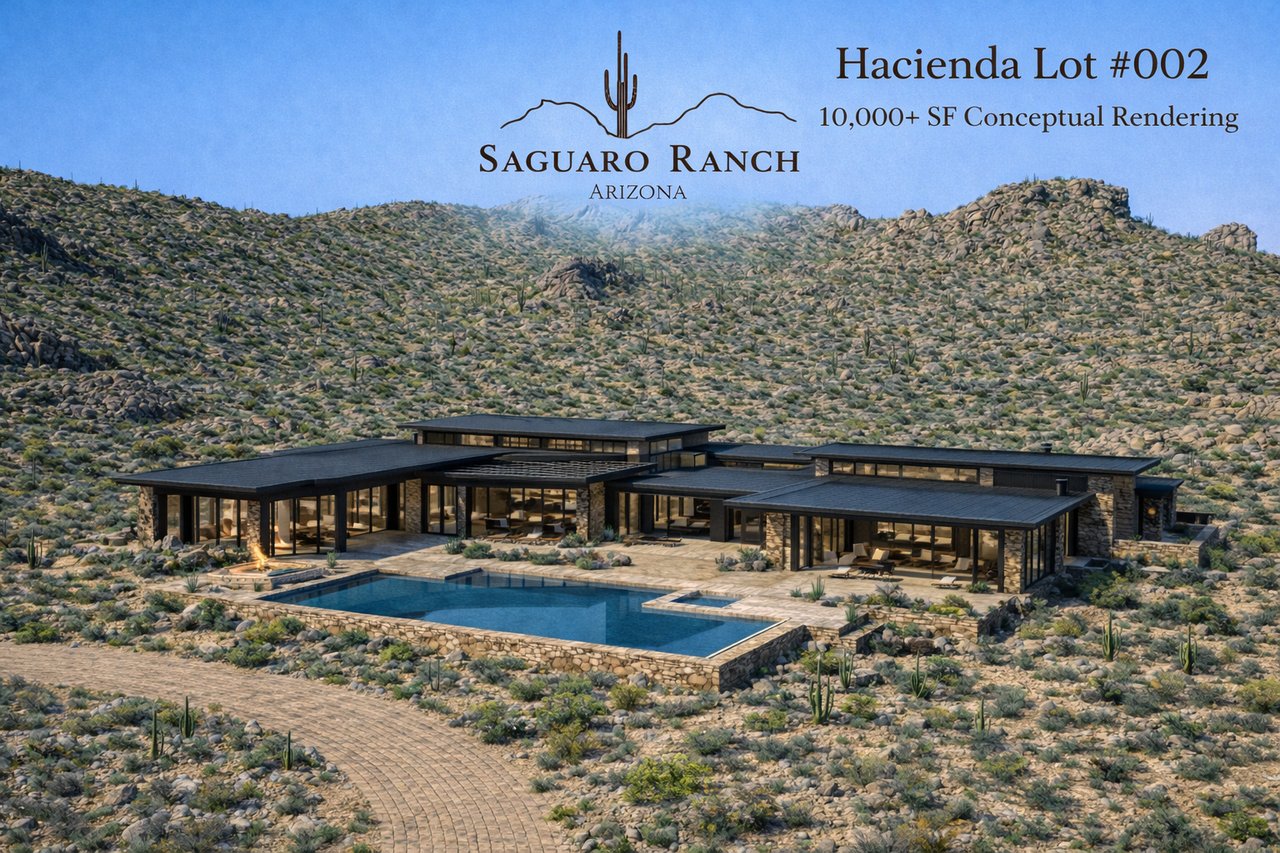
If you want more room to spread out, Saguaro Ranch also offers larger Estate Lots and select 40+ acre Haciendas Lots. These parcels typically support broader single‑level plans, guest casitas, and more flexible outdoor programming like detached workshops or expanded native‑landscaped yards. You also gain more separation from neighbors and more choice in driveway or pool placement. See current positioning and lot types on the Estate Lots page.
Topography shapes your design
Canyon envelopes and architecture
Canyon homesites usually offer a narrower, more sculpted building pad with steeper slopes and rock outcrops. Your architect will respond with site‑hugging forms, thoughtful retaining walls, and careful placement of patios, pools, and drives to preserve views and native features. Expect more multi‑level solutions and circulation that nestles into the land, especially in Moonlight Canyon’s boulder‑rich settings.
Estate spread and options
On larger estate parcels, your buildable area is more flexible. Single‑story plans, multiple detached structures, and longer drives are easier to accommodate. You still design to the land, but you have more choices for orientation and outdoor living without the same degree of geometric constraint.
Soils, caliche, and excavation realities
Southern Arizona soils often include caliche, a cemented layer that can increase excavation time and cost. That is why basements are uncommon, and why a geotechnical report is so important to guide foundations and grading. Get familiar with local ground conditions and why they matter through this overview of Arizona building norms from KJZZ.
Monsoon, washes, wildfire, and ecology
Arizona’s monsoon runs from mid‑June through late September and can bring short, intense storms. Canyons and washes concentrate runoff, so hydrology studies, setbacks, and drainage design are critical on canyon lots. Learn about regional monsoon patterns from the National Weather Service in Tucson.
In the Town of Marana, building near regulated washes or floodplains may require floodplain reviews, elevation certificates, and drainage submittals, which can add time to approvals. You can explore floodplain documentation resources through the county’s elevation certificate listing.
Cost and timeline: what to plan for
Land and site work
Curated canyon enclaves often carry a premium for location, views, and preservation‑first planning. Estate parcels span a wider size range, so cost per buildable acre can vary depending on slope and access. For either choice, set a healthy site‑work contingency. A practical rule is to add 10 to 25 percent to your base construction budget to cover grading, rock work, retaining walls, or utility extensions. Regional cost summaries show wide variability in custom building, which is why builder bids and site‑specific engineering matter. For ballpark planning guidance, see a Tucson cost overview from Houzeo, then verify with local builders.
Permits that add time
If your parcel is near a regulated wash or falls within a flood review area, factor in engineering and additional permit cycles. Drainage reports, floodplain use reviews, and any required mitigation can add weeks or months to the schedule. Canyon lots that require more detailed grading and wall design can also add design time.
Delivery speed
If you want a faster path, look for pre‑approved plan options and preferred builders within curated communities like Saguaro Ranch. That structure can streamline design review while preserving a high level of architectural quality. Fully custom estate builds on complex terrain usually take longer from concept to completion.
Quick comparison: canyon vs. estate
| Aspect | Moonlight Canyon (canyon lot) | Larger estate homesite |
|---|---|---|
| Typical lot size | About 1 to 2 acres | 4+ acres, plus select 40‑acre Haciendas |
| Build envelope | Narrower pad, steeper slopes, rock features | Larger, more flexible siting and orientation |
| Common design response | Multi‑level, site‑hugging forms, selective retaining | Single‑level spread, detached structures, longer drives |
| Extra site costs to plan | Grading, retaining, engineering, access within tight canyons | Longer utility runs or private drives, broader landscaping |
| Permitting focus | Hydrology and wash setbacks, detailed drainage | Standard hillside work, possible flood review depending on location |
| Best fit | Intimate setting, sculptural architecture, low‑maintenance outdoor rooms | Sprawling program, guest houses, workshops, broad view corridors |
Which one fits you best?
Use this quick framework as you picture life in the Tortolita foothills:
- Vision and program. Do you want a compact, architectural home that leans into canyon walls, or a sprawling single‑story plan with casitas and big outdoor zones?
- Privacy and access. Canyon lots feel intimate and close to the land. Estates trade a longer drive for even more separation and sweeping views.
- Budget realism. Include 10 to 25 percent contingency for site‑specific work. Canyon sites often invest more in walls and grading. Estates may invest more in driveways or utility extensions.
- Timeline tolerance. Pre‑approved plans in curated enclaves can shorten delivery. Fully custom estates often take longer from design through construction.
Next steps
Both choices deliver something rare in Tucson: authentic Sonoran Desert living tied to thoughtful design and lasting preservation. If the intimate drama of canyon walls and sculptural architecture speaks to you, Moonlight Canyon is a natural fit. If your dream leans toward a larger program and a broad horizon, an estate parcel may be the better canvas. Either way, you can move forward with clarity by pairing the right site with the right architect and builder.
Ready to experience the land in person and explore current releases, pre‑approved plans, and builder options? Schedule a Private Visit with Saguaro Ranch.
FAQs
What is Moonlight Canyon at Saguaro Ranch in Tucson?
- Moonlight Canyon is a gated enclave within Saguaro Ranch offering roughly one to two acre canyon homesites designed for site‑specific contemporary desert homes, supported by community design stewardship and underground utilities noted on the Saguaro Ranch neighborhood overview and Moonlight Canyon overview.
Are basements common in Tucson custom homes?
- Basements are uncommon due to soils like caliche and related excavation costs, which is why a geotechnical report is key; see the KJZZ overview on Arizona basements for context.
What should I know about monsoon and washes near canyon sites?
- Canyons and washes can concentrate storm runoff during monsoon, so expect hydrology studies, setbacks, and drainage design, with floodplain resources available through the National Weather Service in Tucson and Pima County’s elevation certificate listing.