Thinking about breaking ground in Tucson within the next 6 to 12 months? Your start date can shape budget, quality, and stress more than almost any other decision. In the Sonoran Desert, weather, permitting, and crew schedules all move in seasons. This guide shows you when to start, what to plan, and how to reduce risk from day one. Let’s dive in.
Why timing matters in Tucson
Starting at the right time protects your schedule and your investment. Tucson has hot summers, a distinct monsoon season, and mild winters. Those conditions affect concrete, finishes, worker safety, and inspection timing. At the same time, permit reviews, POA approvals, and long-lead materials can define your earliest realistic groundbreaking date.
Put simply, aligning your plan with the seasons is smart. You can queue up design and permits now, then target exterior work for a cooler, drier window. That sequencing improves productivity, reduces rework, and helps you lock in the right crews.
Tucson seasons and your build
October to May: best window
For most projects, the October through May period is the most weather-friendly. Daytime highs are comfortable, and humidity is lower outside monsoon season. That makes it ideal for earthwork, grading, foundations, concrete pours, roofing, exterior finishes, and major mechanical installs. You also reduce the need for special concrete curing measures and limit heat-related schedule slowdowns.
June to September: heat and monsoon risks
From mid-June through late September, the region’s monsoon brings thunderstorms, short bursts of heavy rain, dust, lightning, and higher humidity. Summer heat peaks in July, with average highs commonly hitting triple digits. Expect reduced workforce productivity, early-morning work shifts, and potential weather suspensions for exterior and electrical work. Wet soils, wash flows, and erosion can slow excavation and inspections. Plan for site cleanup after wind and dust events and protect staged materials.
Concrete and finishes: schedule smart
High heat and low humidity speed up concrete set times, which increases cracking risk without mitigation. You can counter that with early-morning pours, admixtures, surface cooling, fogging or wet curing, temporary shade, and curing compounds. Monsoon humidity and rain can disrupt drywall, paint, stucco, and exterior finishes. If those tasks fall in summer, use temporary tents or enclosures, or shift them to the drier seasons when possible.
Wind, dust, and materials
Haboobs and intense wind events can scatter materials and damage unfinished exterior work. Before storm season, secure and cover anything staged outdoors. Good habits here prevent rework and keep momentum after fast-moving weather.
Site and permitting in Pima County
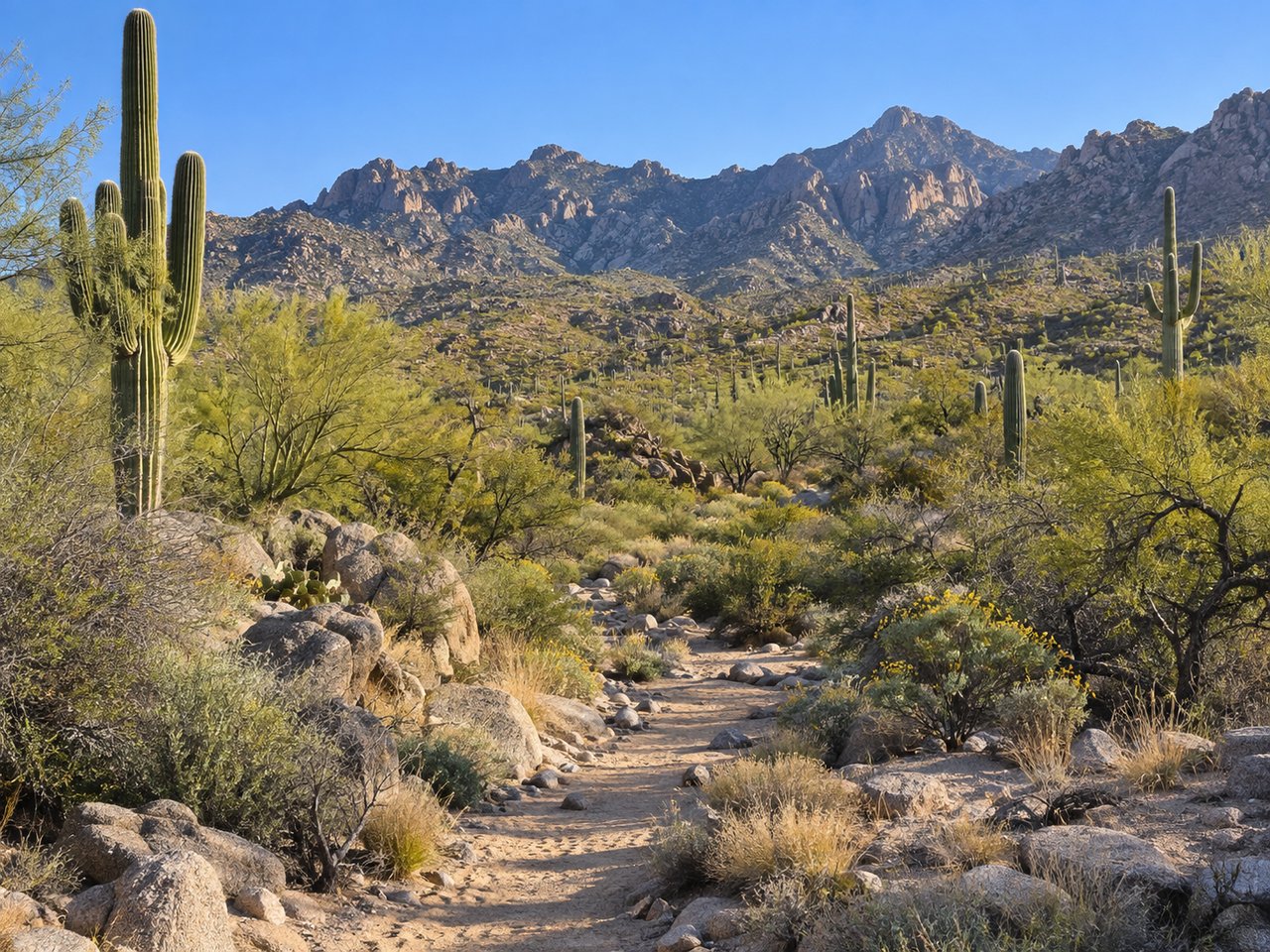
Hillsides and soils in the Tortolita area
Lots in the Tortolita foothills often include variable slopes, rock, and caliche. A geotechnical investigation is standard for custom homes and helps determine foundation depth, footing or pier design, and the need for retaining walls. Order your soils and topo reports early. They drive engineering, grading, and drainage, and they help you avoid redesign surprises later.
Washes, drainage, and floodplains
Foothills funnel runoff into ephemeral washes. Identifying wash corridors and any FEMA flood zones at the start is essential. Pima County and the Town of Marana can require erosion and sediment control plans, grading permits, and drainage approvals. Those reviews take time. Start them alongside design to keep your schedule moving.
Native plant stewardship
Saguaro and other protected cacti and trees may require permits or professional relocation. HOA guidelines can also encourage low-impact grading and plant preservation in hillside areas. Plan your site layout with these requirements in mind to avoid last-minute changes.
Water and wastewater
City of Tucson provides water to Saguaro Ranch residence. All Saguaro Ranch lots connect to septic. Approvals for septic systems can take weeks to months. Coordinate with providers while your plans are in review so utility work is ready when you break ground.
Who approves what
Depending on jurisdiction, you will work with Pima County Development Services or the Town of Marana and Development Services, your local fire district, and your community’s POA architectural committee. Custom homes typically undergo multi-discipline reviews, including structural, mechanical, civil, and drainage. Build these review windows into your pre-construction plan so you are not waiting on approvals after crews are ready.
Crew schedules, lead times, and costs
Local contractor availability
High-quality custom builders often book months in advance. Many aim to start exterior-intensive work in fall and winter, when weather supports long outdoor stretches. If you want a fall start, it pays to engage your builder now. Summer monsoon repairs can also draw roofers and exterior trades away from new builds after heavy storm years, so securing your place on the schedule early is wise.
Long-lead selections
Several items are known long leads, especially for luxury builds. Windows, specialty doors, HVAC systems, custom cabinetry, stone, appliances, and specialty mechanical equipment can take 6 to 12 or more weeks. Lock these choices early and place orders or deposits as soon as designs are final enough to release. Keeping a running delivery log helps your builder sequence work without gaps.
Budget and contingencies
Seasonal factors can add direct costs. Hot-weather concrete may need admixtures or extra curing, monsoon months can require tarps, temporary enclosures, dehumidification, and added cleanup. Include a 10 to 20 percent contingency on hard construction costs, adjusted for site complexity. Also factor soft costs for potential delays, such as temporary housing, storage, and extended interest.
Suggested 6–12 month plan
Use this high-level timeline if you want to align your start with the best building window.
- Month 0: Confirm your lot and jurisdiction. Start boundary and topographic surveys and order a geotechnical investigation.
- Months 1–3: Engage your architect or select a semi-custom plan. Develop concepts, begin HOA pre-submittal if required, and initiate drainage concepts alongside your soils and topo work.
- Months 2–5: Finalize construction documents. Prequalify builders and obtain preliminary bids. Submit key permit packages as the plans needed for grading and drainage are ready, rather than waiting on every finish selection.
- Months 3–6: Finalize and order long-lead items. Get current vendor lead times in writing for windows, doors, HVAC, appliances, and stone.
- Months 4–8: Navigate permit review and approvals. In parallel, coordinate water and wastewater connections or septic design.
- Target start: Schedule groundbreaking so exterior sitework and foundation work fall in the October through May window when possible. If you must start in late spring, plan protections for heat and monsoon, and adjust work hours.
Checklist to de-risk your build
- Commission geotechnical and topographic reports immediately after lot purchase or while under contract.
- Confirm your permitting authority and any hillside or wash rules that apply to your property.
- Decide early on your water and wastewater path and begin utility coordination.
- Make early selections for windows, HVAC, doors, appliances, and stone. Place orders as soon as design allows.
- Secure POA architectural approval early. Many communities require it before permits.
- Include a realistic contingency of 10 to 20 percent and set aside funds for weather-related protections.
- Sequence work so exterior structure and envelope progress in the October to May window when possible.
- Prepare stormwater and erosion control measures and plan secure, covered storage for materials before monsoon season.
- Build inspection timing and potential weather holds into your schedule.
Monsoon and heat playbook
- Concrete: Favor cool-season or early-morning pours. Use admixtures, shade, and wet curing to reduce cracking risk.
- Roofing and finishes: Avoid final roof, paint, and stucco during peak monsoon months when you can. If not, protect with temporary enclosures and careful staging.
- Materials: Store finish materials under cover. Tie down and tarp ahead of forecast dust or wind.
- Worker safety: Enforce heat-illness protocols, frequent water and rest breaks, and earlier start times during summer.
- Interior sequencing: If weather delays exterior work, shift focus to interior tasks under temporary protection.
So when should you start?
If you want the smoothest path, plan your exterior-intensive milestones for October through May. That does not mean you cannot build in summer. It means you should budget for heat and monsoon protections, adjust hours, and expect some weather holds. The best strategy is to use the warmer months for design, permitting, and long-lead orders, then break ground as temperatures ease and the monsoon tapers.
If you are exploring a foothills homesite and want a more streamlined path, consider a curated program with pre-approved plans and preferred builders. In the Tortolita Mountains, that approach can shorten design and delivery while honoring the land. To learn how this works with select homesites, semi-custom plans, and endorsed builders, connect with Saguaro Ranch to schedule a private visit.
FAQs
What is the best month to break ground in Tucson?
- Aim for a start that places foundations and major exterior work between October and May, when temperatures are mild and monsoon risks are low.
How does the monsoon season affect a custom build?
- Monsoon brings short, heavy storms, dust, and higher humidity that can delay exterior work and inspections, so plan protections and expect occasional holds.
How long does the full custom home process take?
- Many custom projects span 24 to 36 months from design through move-in, while semi-custom builds can run 18 to 24 or more months depending on complexity.
When should I order windows, HVAC, and doors?
- Place orders as soon as designs are sufficiently final, since many items carry 6 to 12 or more week lead times and affect critical path scheduling.
What extra costs should I expect in the Tortolita foothills?
- Budget for geotechnical engineering, specialized excavation and retaining walls, possible rock removal, longer utility runs, and protected vegetation relocation.
How can I reduce schedule risk before I start?
- Begin geotechnical, surveys, and permit submissions early, lock long-lead selections, secure HOA approval, and align your exterior milestones with the October to May window.