Wondering what design guidelines really mean when you are looking at a luxury community near Tucson? You are not alone. For many buyers, these documents can feel technical at first, but they often shape the views, privacy, architecture, and night skies that make desert living so appealing. If you know how to read them, you can make smarter decisions before you buy or build. Let’s dive in.
Why Design Guidelines Matter
In Tucson and surrounding area luxury communities, design guidelines usually work alongside public zoning and permitting rather than replacing them. Local review can cover items like height, setbacks, land use, and permitting steps, while private community standards add another layer focused on design character and the owner experience.
That layered approach matters because the details affect what you can build and what your neighbors can build over time. In a preservation-focused desert setting, guidelines are often there to protect views, reduce visual disruption, preserve native landscape, and support dark-sky goals.
Start With the Big Picture
Before you read line by line, ask yourself one simple question: What is this community trying to protect? In many Tucson and surrounding area luxury communities, the answer is not just architectural consistency. It is also the desert setting itself.
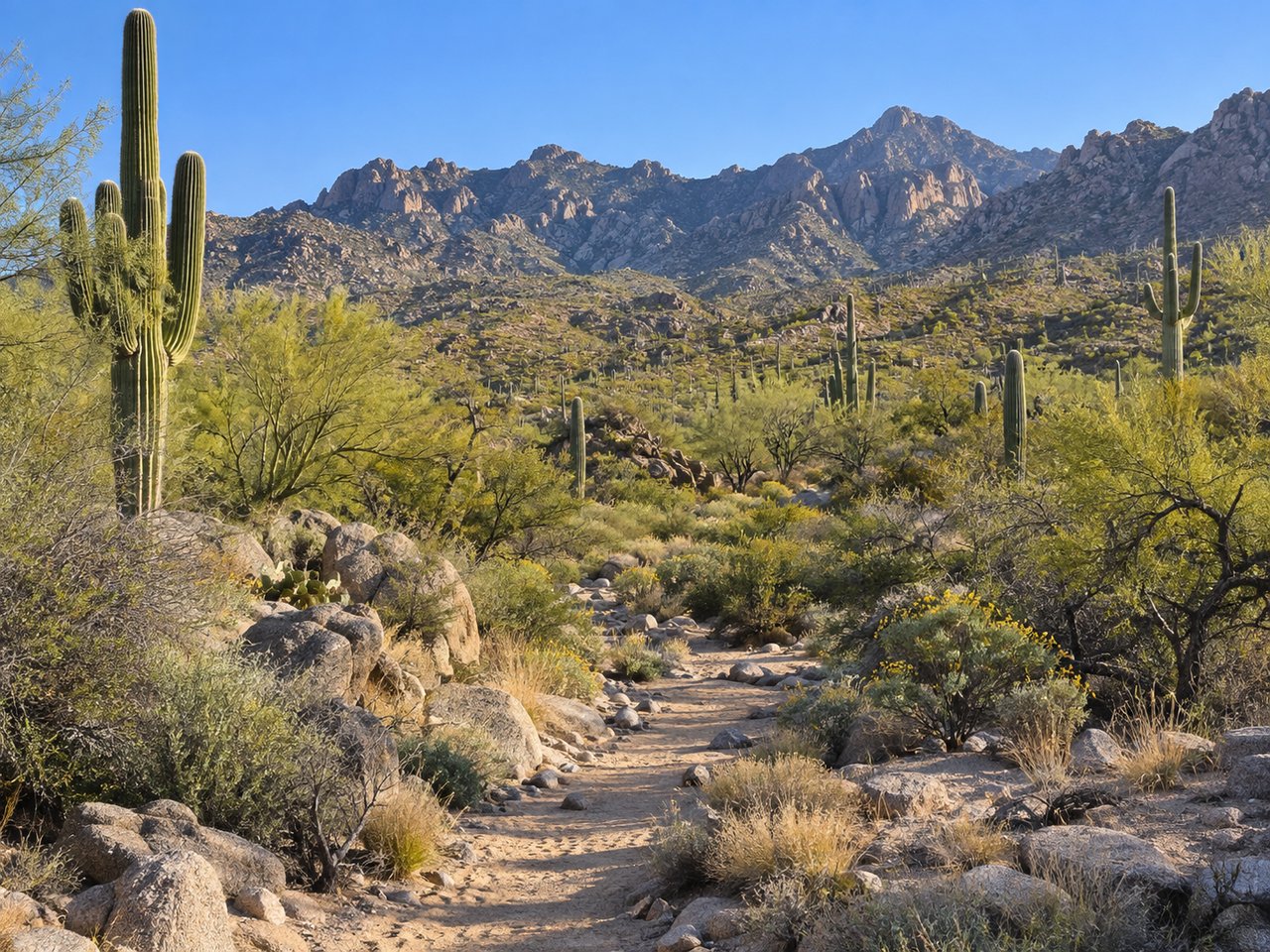
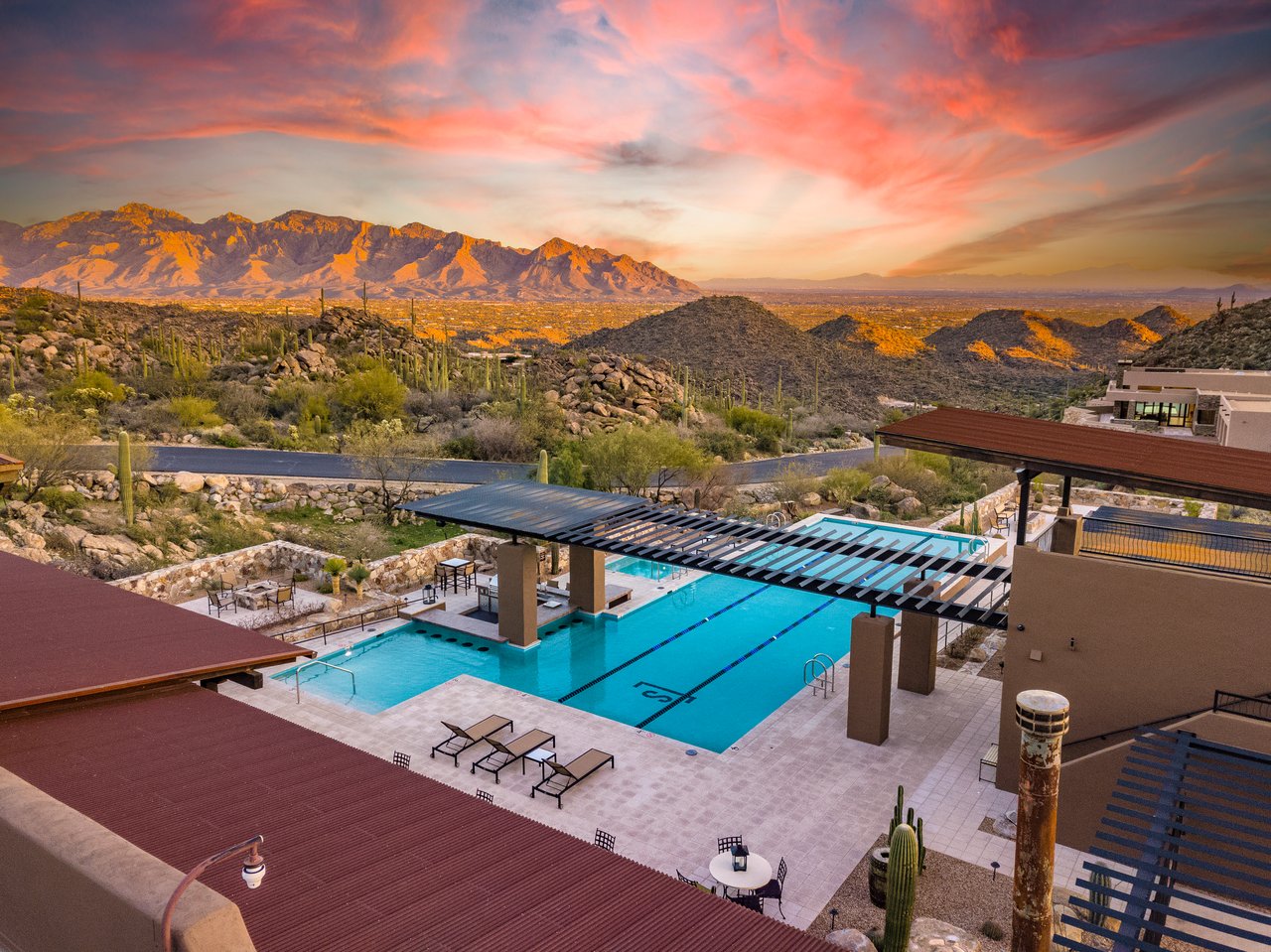
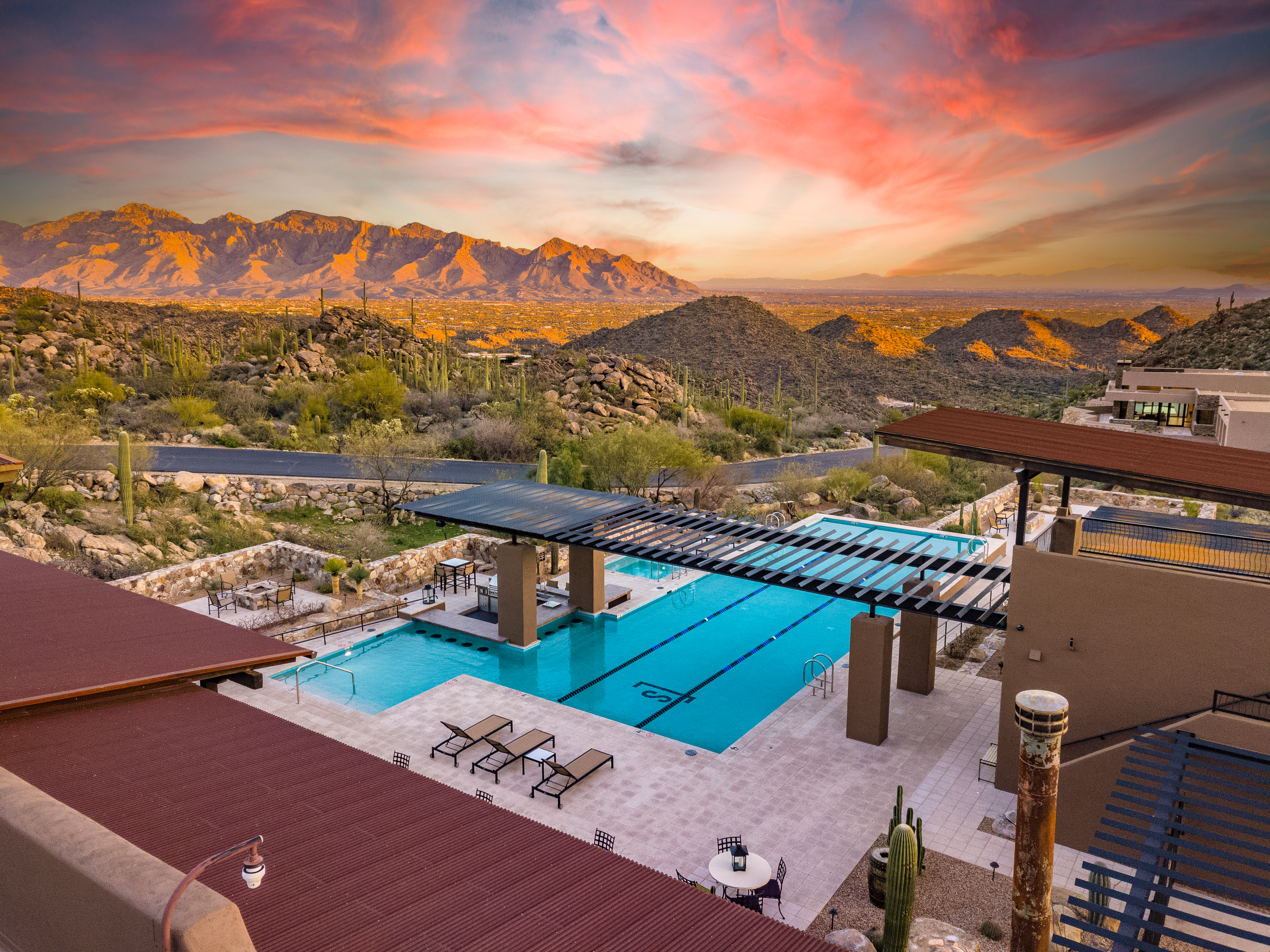
At Saguaro Ranch, that preservation-first approach is central to the community vision. The community describes itself as spanning about 1,200 acres in the Tortolita Mountains, with roughly 80% of the land preserved as undisturbed Sonoran Desert. That makes the guidelines part of the value of the community, not just a list of restrictions.
Read the Building Envelope First
One of the most important sections in any guideline package is the building envelope. This tells you where a home can sit on the lot and how its form may be limited.
As you review this section, focus on a few practical questions:
- How close can the home be to lot lines?
- Are there special setback rules for the lot?
- Are there height restrictions?
These details matter because size on paper is not the same as perceived size on the land. Local review standards in Tucson and the surrounding area often address massing, proportion, and neighborhood fit. Oro Valley’s review materials, for example, call for site plans, lot-fit analysis, floor plans, adjacent-property photos, and a color and materials palette. Its standards also address issues like two-story homes on corner lots and staggered setbacks to reduce streetscape scale.
At Saguaro Ranch, buyer guidance also points to height restrictions that help protect view corridors. The review process begins with lot selection, followed by plan review and Architectural Review Committee approval.
What “massing” means
Massing is simply the way a home’s bulk is perceived. A house can meet square-footage goals and still feel too tall, too wide, or too dominant if its proportions are not handled carefully.
In Tucson and surrounding area communities, massing rules often exist to preserve visual continuity and reduce sharp contrasts from one home to the next. When you read this section, look for language about scale, roof-lines, step-backs, width-to-height relationships, and how the home sits in relation to neighboring lots.
Check Materials and Color Rules Closely
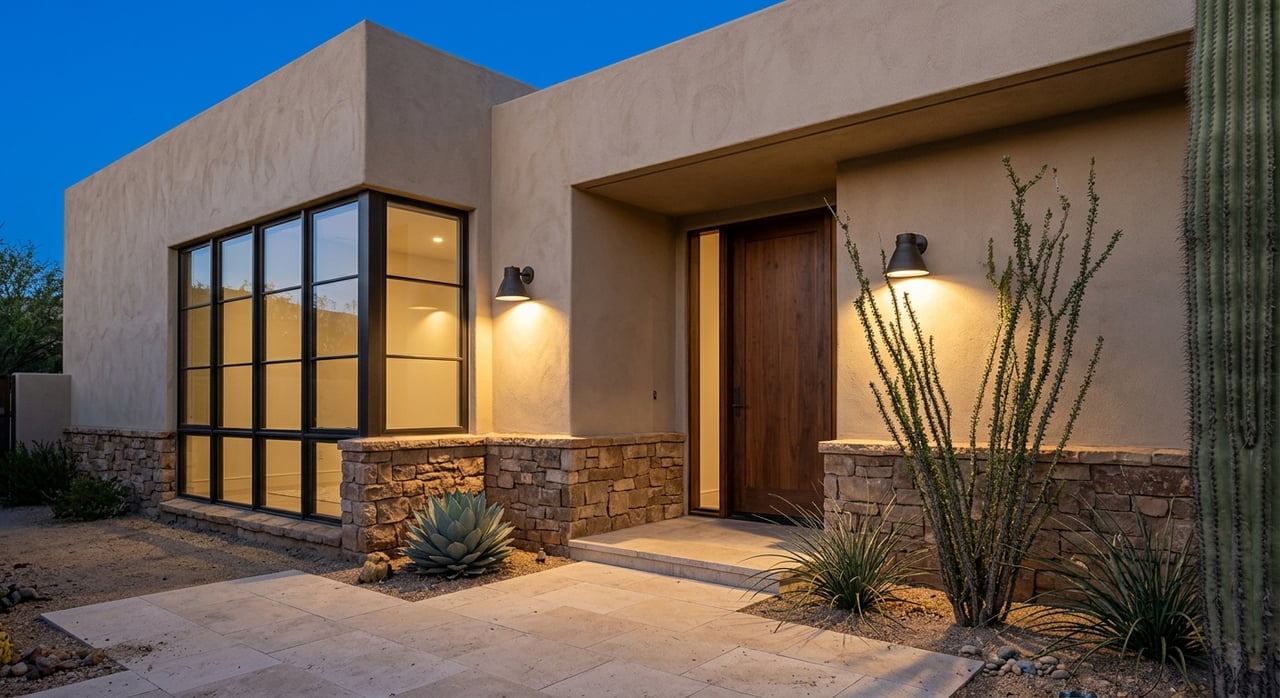
This is the section that often tells you whether a community wants homes to blend into the desert or make a stronger visual statement. In most Tucson and surrounding area luxury settings, the preference leans toward desert-compatible materials and subdued palettes.
Oro Valley’s architecture-review materials require a color and materials palette for all elevations, including roofing, accents, and other exterior details. Applicants are also asked to provide photographs of proposed materials with light-reflective values.
At Saguaro Ranch, the guidance favors natural colors and materials such as adobe and stone. For a buyer, that is a useful clue about the architectural language the community is trying to maintain.
What to look for in this section
As you read, pay attention to:
- Approved or preferred exterior materials
- Limits on reflective or high-contrast finishes
- Roof material expectations
- Accent material rules
- Color palette ranges
- Surface texture guidance
These details may seem cosmetic, but they shape how well a home fits its landscape. In a desert luxury community, materials and colors often support a quieter, more grounded visual experience.
Understand Landscape Preservation Rules
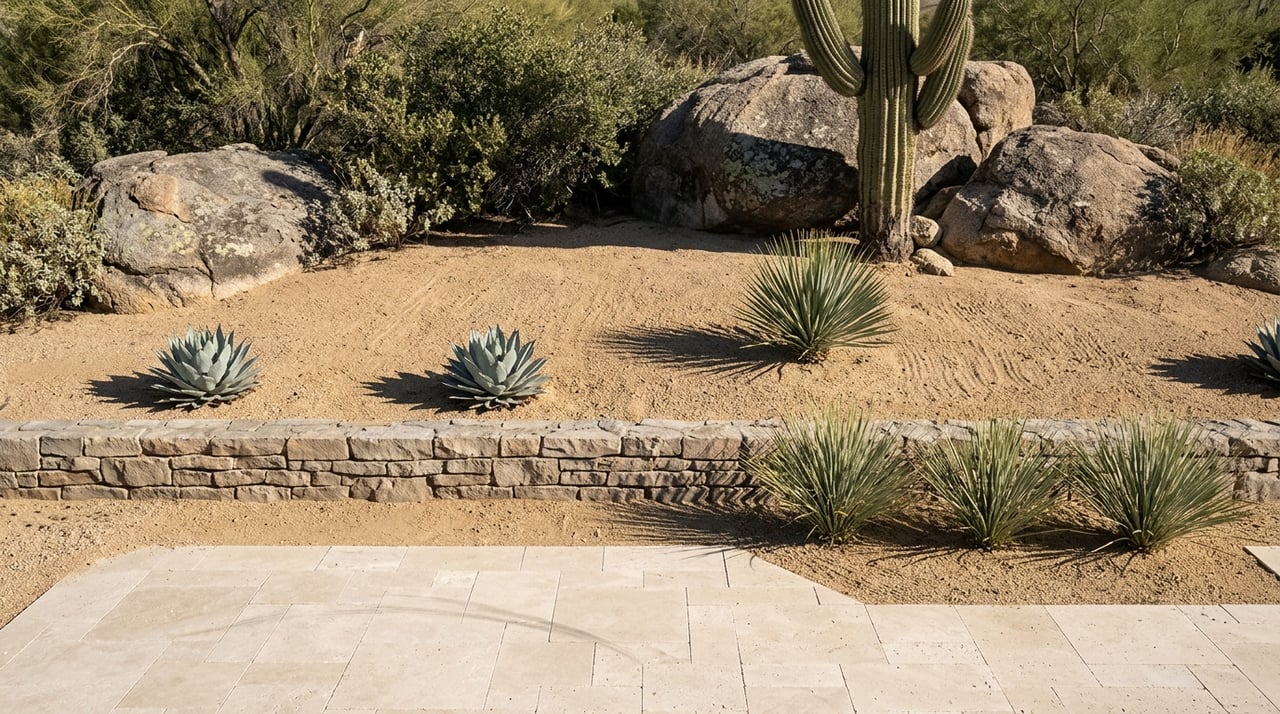
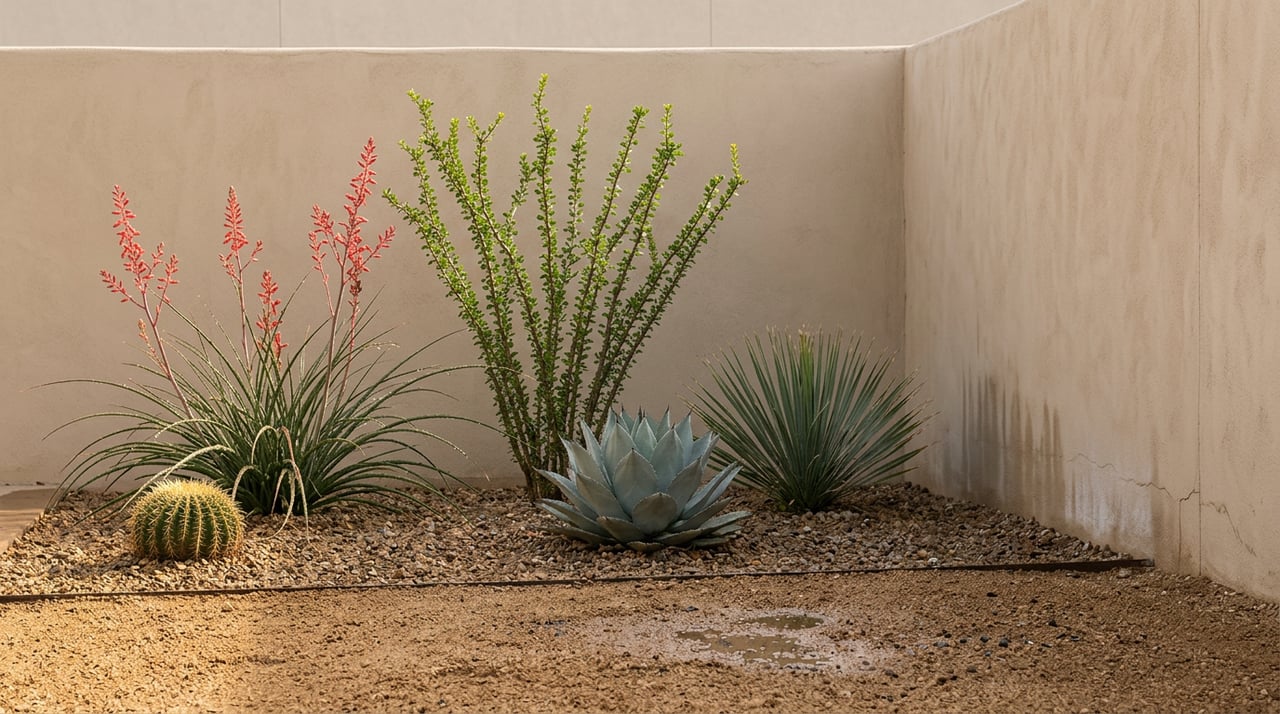
In Tucson and surrounding areas, landscape rules are often much more than planting suggestions. They may govern what native vegetation can be moved, salvaged, replaced, or irrigated.
Marana requires a Native Plant Plan before protected plants are removed or relocated. Its development materials describe native vegetation as a unique natural resource that supports the community’s economic and aesthetic well-being. Pima County’s conservation materials also explain that native-plant protections were created to reduce harmful impacts of development on native plants and plant communities.
That means landscaping in desert communities is usually tied to stewardship, not just curb appeal. Oro Valley’s residential landscape rules also connect landscape design with native-plant preservation and water conservation.
At Saguaro Ranch, the buyer guidance emphasizes native landscape, view corridors, and sensitive siting. If you are comparing home sites, this can help you understand why one lot may feel more open, more private, or more connected to the surrounding terrain than another.
Questions to ask about landscape rules
Before you move forward, make sure you understand:
- Whether a native plant plan is required
- Which plants are protected
- What can be removed or relocated
- What must be preserved in place
- Whether replacement planting is required
- How irrigation is handled
- How landscape design may affect views or siting
These answers can affect both your design options and your timeline.
Do Not Skim the Lighting Section
Lighting is often one of the strictest parts of a design-guideline package. It is also one of the easiest places for buyers to underestimate how much detail is involved.
In Marana, the stated goal of outdoor-lighting rules is to protect the dark night sky while still supporting safety and security. The town’s guidance advises directing light downward, shielding fixtures so the source is not visible beyond the property, using the lowest useful lumen level, controlling lights with switches, timers, or motion sensors, and choosing warm bulbs at 3000K or less.
The same guidance says string lights and seasonal decorations must be turned off by 11:00 pm, and that security lighting should be shielded and motion-controlled. At Saguaro Ranch, homes follow dark-sky-friendly guidelines with downward-directed, fully shielded lighting.
Why dark-sky rules matter
In this part of Arizona, dark-sky stewardship is a real quality-of-life feature. It helps preserve the character of the landscape after sunset and supports the quiet, low-glare environment many luxury buyers want.
When you review a lighting section, look for rules about fixture type, bulb color, shielding, timers, lumen limits, and cutoff times. If you enjoy outdoor living spaces, this section deserves extra attention.
Learn the Review Sequence
One of the most practical parts of any guideline package is the approval process itself. If you understand the order of steps early, you can avoid delays and ask better questions.
Marana notes that incomplete drawings can delay processing and that building permits are not issued until after the applicable decision stage and appeal period. That makes preparation important from the start.
At Saguaro Ranch, the sequence described for buyers is straightforward:
- Lot selection
- Plan review
- Architectural Review Committee approval
- Permitting
- Construction
That clarity can be especially helpful if you are comparing a custom home site, a semi-custom path, or a completed spec home. It gives you a clearer picture of how much time, flexibility, and review may be involved.
A Simple Buyer Checklist
If you are buying or building in a Tucson luxury community, ask for these documents and details early:
- Covenants, Conditions & Restrictions (CC&Rs)
- Design Guidelines
- Approved materials list
- Exterior color palette
- Lighting specifications
- Landscape and native-plant requirements
- Lot-specific height limits
- Lot-specific setback constraints
- The exact review sequence from concept to permit
This checklist can save time and prevent surprises. It also helps you compare communities in a more informed way.
Why This Matters at Saguaro Ranch
At Saguaro Ranch, the design-guideline conversation is about more than architectural appearance. It is about preserving the Sonoran Desert setting that defines the experience of the community.
From the dramatic tunnel arrival to panoramic views and dark-sky stewardship, the community’s identity is closely tied to what remains protected as much as to what gets built. Community standards help keep materials, massing, and color palettes aligned with a Sonoran Desert architectural ethos while still allowing meaningful customization through curated home sites, pre-approved plans, spec homes, and build-to-suit opportunities.
For you as a buyer, that means the guidelines can be read as a form of long-term stewardship. They help explain how a community intends to preserve its sense of place, protect sight lines, and maintain a consistent design standard over time.
If you are exploring luxury home sites or custom opportunities north of Tucson, it helps to see these documents for what they are: not just rules, but a roadmap for how the land, architecture, and owner experience work together. To explore available opportunities and schedule a private visit, connect with Saguaro Ranch.
FAQs
What do design guidelines mean in Tucson luxury communities?
- Design Guidelines are community rules that work alongside local zoning and permitting to shape architecture, materials, landscaping, lighting, and the overall character of a neighborhood.
What is a building envelope on a Tucson home site?
- A building envelope is the part of the lot where your home can be placed, and it usually works with rules about setbacks, height, and how the structure fits the site.
Why do Tucson-area communities regulate massing?
- Massing rules help manage a home’s perceived bulk so houses do not visually overpower the land or disrupt view corridors and community character.
What materials are commonly favored in Tucson desert communities?
- Local review standards and Saguaro Ranch guidance point toward natural, desert-compatible materials and colors, including finishes such as adobe and stone.
Why are native-plant rules important in Pima County communities?
- Native-plant rules help reduce the impacts of development on desert vegetation and often govern what can be removed, relocated, preserved, or replanted.
What should you check in a Tucson luxury community lighting policy?
- You should review fixture shielding, bulb warmth, light direction, timers or motion controls, lumen levels, and any shutoff rules for decorative or security lighting.
What is the review process at Saguaro Ranch?
- Saguaro Ranch describes the process as lot selection, plan review, Architectural Review Committee approval, followed by permitting and construction.
What documents should buyers request before buying a home site near Tucson?
- Buyers should ask for the CC&Rs, full design guidelines, approved materials and color information, lighting standards, landscape requirements, lot-specific limits, and the full approval sequence.