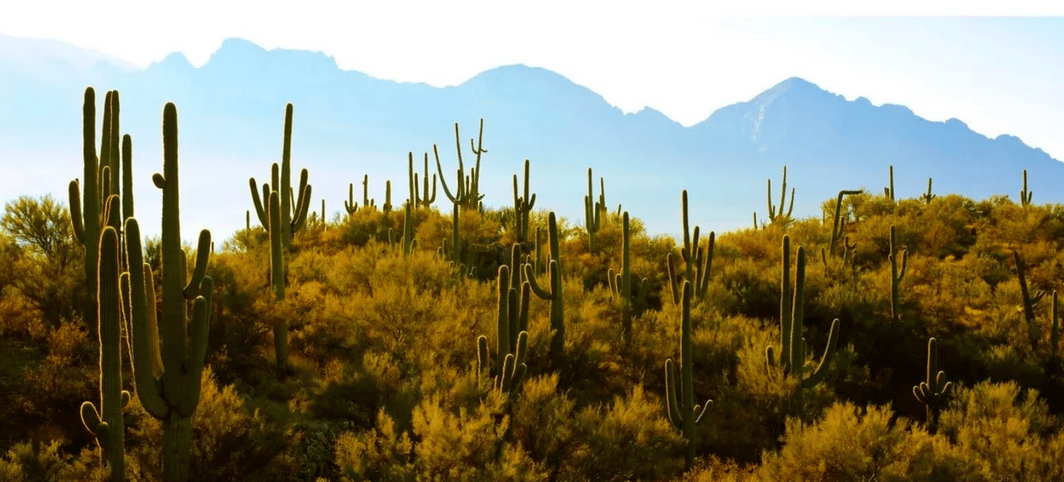
Boston Globe Magazine | Travel | Author Margaret Regan—Its's Early February, the depths of winter back East. But this is Tucson so it’s sunny and 70. I’m out in the desert, at the Arizona-Sonora Desert Museum west of the city, under a western sky colored a brilliant shade I call Tucson blue. The air is so clear that on the horizon, 50 miles away, I can see Baboquivari, a jagged peak sacred to the Tohono O’odham, a native nation that’s been here for centuries.
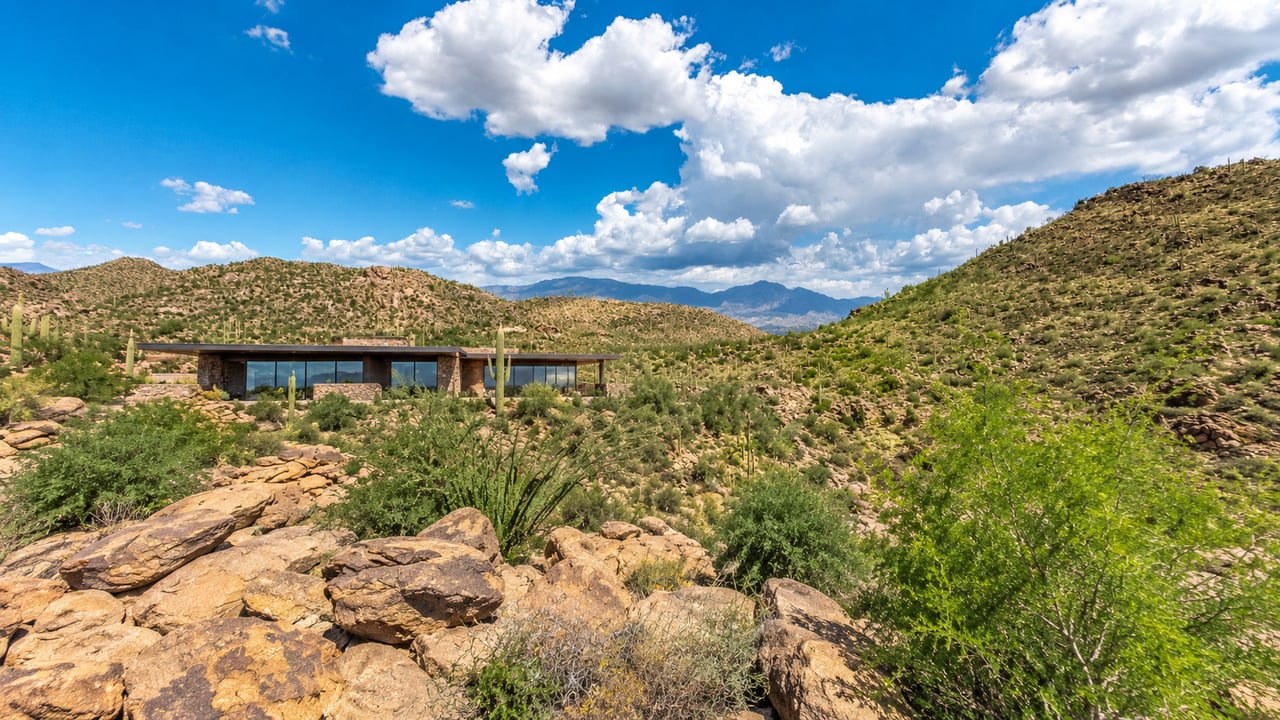
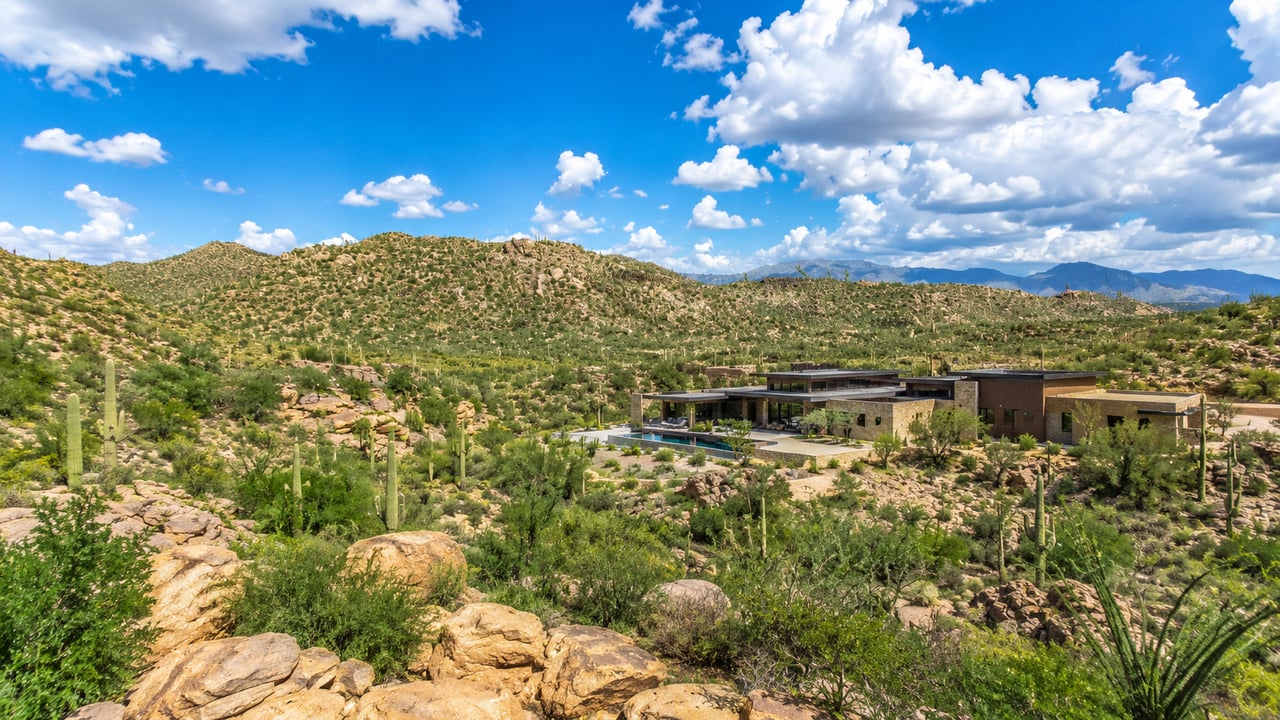
The desert that hosts this combination natural history museum, zoo, botanical garden, and aquarium is no Sahara. It’s lush and green, bristling with all manner of cacti, from the tall saguaros that seem to wave their arms hello, to the pudgy barrel variety. Among the plants, there are coyotes, mountain lions, and bighorn sheep sunning themselves in spacious outdoor habitats. As a bonus during these winter months, the staff has released the raptors, and three prized Harris’s hawks are circling overhead, cawing and dipping.
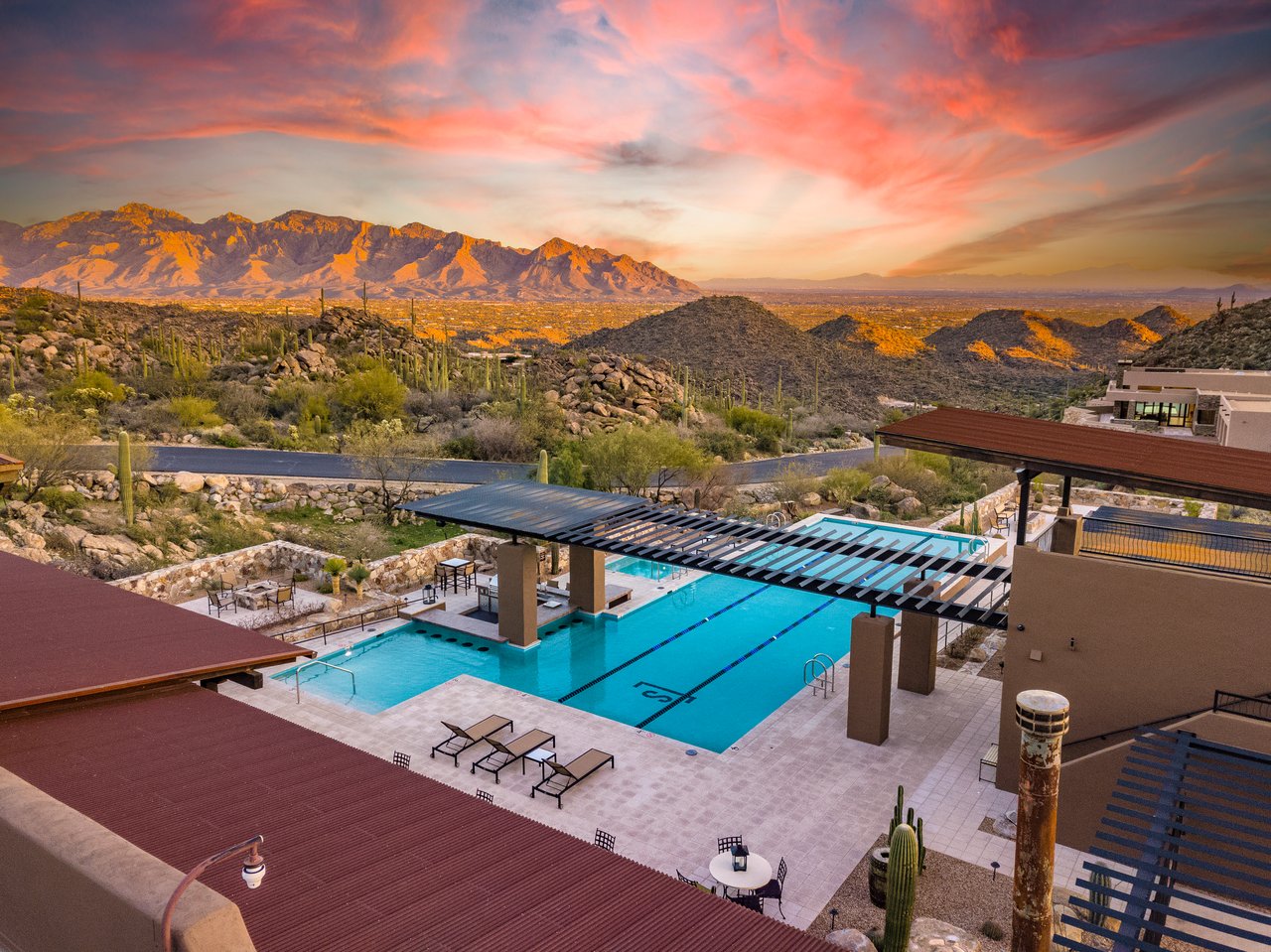
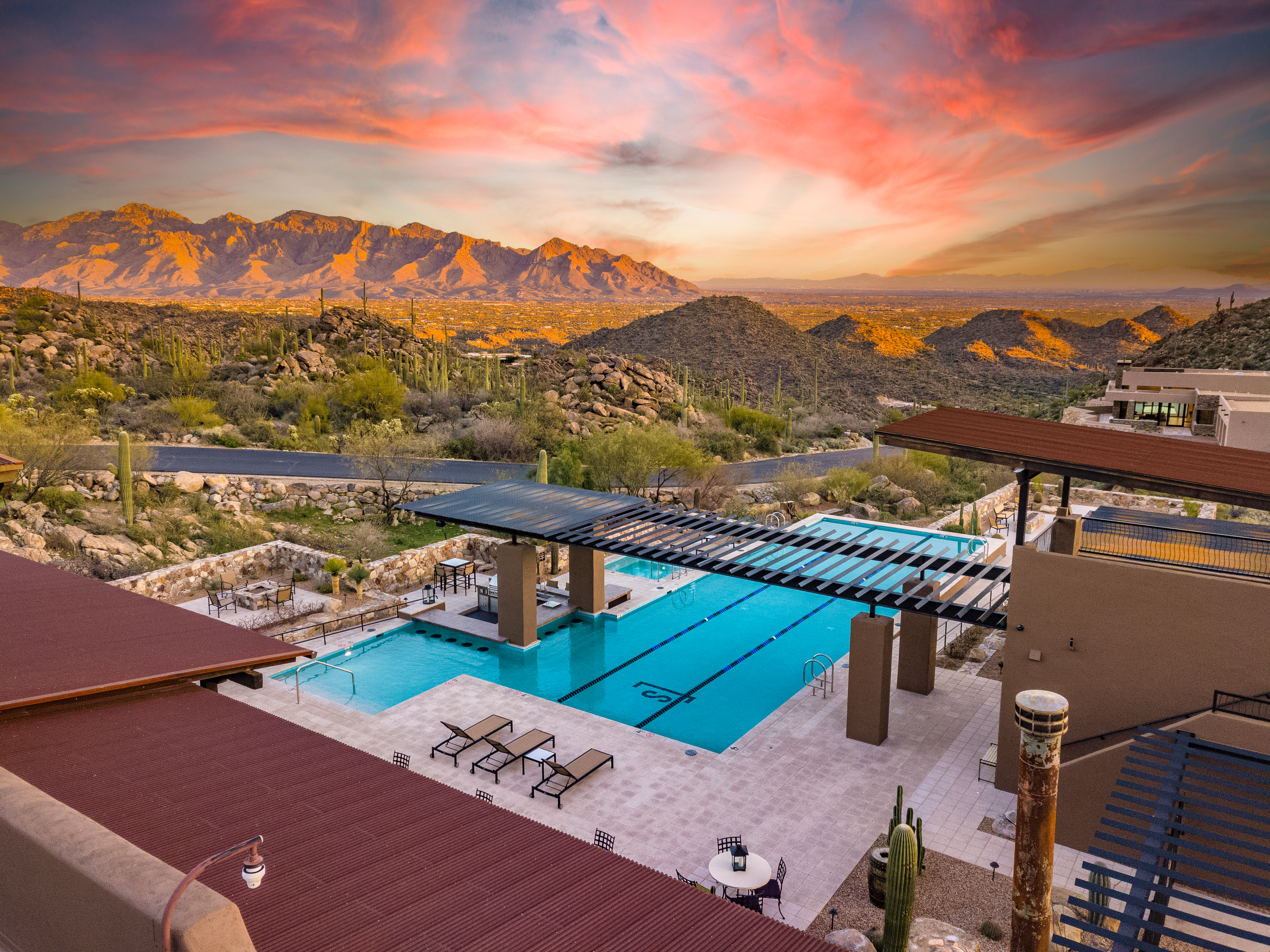
Just another perfect Tucson day, as we like to say out here in the Old Pueblo. Big skies, otherworldly plants, and exotic animals. What’s not to like? To be honest, my husband and I didn’t expect to love Tucson as much as we do. I was raised in Philadelphia’s leafy green suburbs, and he’s a Jersey boy. For a time after our move, back in 1986, I pined for tall trees and cold creeks but I quickly fell for the immense skies and the mountains that ring the city. From my dining room I can see the Santa Catalina range, its light changing minute by minute throughout the day, from the rosy pinks of dawn (or so they tell me) to flaming orange at sunset. In half an hour I can be hiking trails in Sabino Canyon or in Saguaro National Park, a cactus-studded wonderland that bookends the city on the east and west.
But it wasn’t just nature that won me over. It was Tucson’s culture, too. About 60 miles from the Mexican border, the city is an exhilarating mix of ethnicities: Mexican, Native, and Anglo. You hear Spanish everywhere and the soundtrack of the city is the norteño music of the borderlands.
Tucson has an eclectic, retro vibe—noisy trains still lumber on the edge of downtown, artists have long camped out in old warehouses—but the dusty Western town of old has metamorphosed into a sophisticated urban destination. A groovy modern streetcar connects downtown to the University of Arizona and to the city’s West Side. Trendy new apartment buildings are going up nonstop, and the culinary scene is on fire.
It was the Mission San Xavier del Bac that really sealed the deal for me. Whitewashed on the outside, a riot of Baroque paintings on the inside, the 223-year-old Spanish Colonial Catholic mission church is called the White Dove of the Desert. Designed by a Basque architect and built by Tohono O’odham laborers, the church has one lone tower (the other was never finished) that rises toward the heavens. Back in the 1990s, art restorers came from as far as the Vatican and Turkey to restore the artwork and teach tribal members techniques to preserve them.
Outside the church, a 15-minute ride south from downtown, O’odham women work out of food booths, making tortillas and fry bread over open fires. I still remember the smell of that smoke on my first visit, and my first taste of a carne asada burrito. I was entranced y the people, the food, the art, and the history. Tucson was a place, I realized, that I could call home.
Where to Eat
In 2015 Tucson was named a UNESCO City of Gastronomy, the first city in the United States to win the coveted designation (tucson.cityofgastronomy.org). A Mexican food capital for years, Tucson was known for its Sonoran wheat tortillas, carne asada—a spicy dried beef—and must-have Sonoran hot dogs wrapped in bacon and drowned in salsa and mayonnaise. But the award also acknowledges the distant past and the role of the region’s “first farmers” who tilled the soil along the Santa Cruz River 4,000 years ago. They cultivated maize, beans, and squash as well as harvesting a variety of wild foods—many of which are being served in local restaurants.
This year, the accolades keep coming with four semifinalist nominations in the James Beard Award competition, including: BOCA Tacos Y Tequila, Mi Nidito Restaurant, Barrio Bread, and single-malt maker Whiskey del Bac (520) 628-9244). If you’re a whiskey lover, check out their distillery tour. Run by a Tucson native, chef Maria Mazon, BOCA Tacos Y Tequila (520) 777-8134) dishes out delicious corn and flour tortillas (or cabbage wraps) stuffed with grilled cauliflower, pulled pork, and octopus.
President Clinton didn’t have to wait in line at Mi Nidito (520) 622-5081) when he ate here in February 1999, but you probably will. Try the ginormous President’s Plate, commemorating everything he sampled: bean tostada, birria taco, chile relleno, chicken enchilada, and beef tamale. For the most sabroso Sonoran hot dogs, venture a little further to El Güero Canelo at its south side location (520) 295-9005). The food is so good that internationally known Tucson band Calexico named a hit song after the place. Oh, and it won a James Beard award in 2018.
Even the bread is getting better in Tucson, and Barrio Bread (520) 327-1292) has the best. Don Guerra combines art, science, and lots of love in every loaf, baking with heritage grains farmed and milled locally. Get to the bakery by 9 a.m.—it closes when the bread sells out. Chef and owner Janos Wilder of Downtown Kitchen + Cocktails (520) 623-7700) was a driving force behind the UNESCO City of Gastronomy honor. He’s been cooking with local foods and heritage ingredients for years, winning kudos for pairing sophisticated squash and prickly pear dishes with global cuisines.
Seis Kitchen (520) 622-2002) in Mercado San Agustín on the city’s west side is beloved for breakfast burritos bursting with chorizo or avocado. The tortillas at the nearby La Estrella Bakery (520) 741-0656) are so good that a friend of mine who tearfully moved away from Tucson buys them by the dozen every time she comes back.
The Little One has the best chicken mole in Tucson and a killer elote (sweet corn) tamal. Wash it down with fresh cucumber-basil-key lime juice or a horchata (rice drink—the “h” is silent). Cash only; closes at 2 p.m.
Watch cacao turn into award-winning, mouthwatering chocolate at Monsoon Chocolate. Try the Chile Mango bonbon — a white chocolate ganache with mango puree and cayenne pepper. Sí, por favor, to the chocotaco and Mexican hot chocolate spiced with chiltepin and cinnamon.
Imbibing a classic Corpse Reviver takes on a whole new meaning at the Owl’s Club, a former funeral home reincarnated into a craft cocktail bar. Ciaran Wiese, one of the country’s best bartenders, will put together some spirits to lift yours. He’s partial to the club’s “great atmosphere and good people” (natch), but also likes mezcal bar El Crisol, which he says has “one of the best Agave selections in the Southwest.”
Saint Charles Tavern is a woman-owned neighborhood pub whose quintessential Tucson vibe and impressive selection on the back bar attract people from all over town. Murals and mosaics by local artists surround patrons as they savor Tamarindo Sour brews by local Crooked Tooth Brewing Co. and watch live music on the outdoor stage.
Where to Visit
Ever since my husband and I turned into Tucsonans we’ve gotten lots of visitors weary of their colder climes. As amateur tour guides, these are some of our favorite stops.
Art and Architecture
I’m partial to the historic houses that surround downtown. Colorful 19th-century Mexican adobe row houses in Barrio Histórico, especially on South Convent Avenue, are wonderful examples of architecture suited to a desert climate: thick walls, small windows, breezeways, and interior patios.
The Center for Creative Photography ((520) 624-7370) on the University of Arizona campus is recognized as one of the finest photography museums in the world. Founded in 1975 with the archives of five living photographers—Ansel Adams, Wynn Bullock, Harry Callahan, Aaron Siskind, and Frederick Sommer — today it has grown to include the work of some 270 photographers active in the 19th, 20th, and 21st centuries. Note that not everything Adams donated is on view at all times, though you’ll usually have good luck finding some of his work in the Heritage Gallery.
While on campus, check out the The University of Arizona Museum of Art ((520) 621-7968), where the collection includes a ravishing suite of 15th-century Spanish altarpiece paintings as well as modern treasures, including a 20th-century Mark Rothko and a Georgia O’Keeffe. Housed in Tucson’s decommissioned Fire Station #1, the Museum of Contemporary Art Tucson ((520) 624-5019) is the place for up-to-the-minute art. The Great Hall, formerly a fire engine bay, is perfect for wild installations.
Tucson has been struck with mural mania. The best known, Rock “Cyfi” Martinez’s Mayahuel (Goddess of Agave) — on a plumbing supply store at 440 N. 7th Avenue — is a 70-foot-wide portrait of a woman wearing a crown of agave leaves. In Joe Pagac’s Epic Ride, a javelina, tortoise, and jackalope cruise on bicycles (joepagac.net/mural-map). Drive through Mexican neighborhoods south and west of downtown, and you’ll see ’60s and ’70s murals of Aztec gods and multiple Virgins of Guadalupe, many now faded by the sun.
Shopping
Some of the hippie stores on North Fourth Avenue have given way to apartment towers, but the feel of this eclectic shopping district is largely intact. Antigone Books (520) 792-3715), an independent bookstore started in 1973, was recently sold to three twentysomething female employees who raised part of the necessary funding from an Indiegogo crowd-funding campaign. Pop Cycle ((520) 622-3297) is a great place to find quirky art made from scavenged materials and for ironic ceramics of Gila monsters. And here’s a fashion secret: At least one New York retailer and one Hollywood costumer scour the street’s many vintage clothing shops for ruffled blouses and 1960s silk dresses. Buy them first, for cheap, at places like How Sweet It Was Vintage (520) 623-9854). Take a break at D&D Pinball arcade ((520) 777-4969) or duck into The Boxyard, a shipping-container food court ((520) 306-1686) and lounge on sofas in the outdoor courtyard or play cornhole while you enjoy a cold beverage. For handmade jewelry, bolo ties (yes, they’re popular in Tucson), and local art, go downtown to Old Town Artisans (520) 620-1725), a warren of small shops in a historic adobe dating to the 19th century.
Hiking
Not far from downtown, the Desert Laboratory on Tumamoc Hill ecological preserve is an unexpected gift in an urban setting. A steep, 1.5-mile paved roadway to the summit ends in an unmatched panorama of the city and its ring of mountains.
Sabino Canyon, on the eastern end of the Catalina foothills, readily accommodates strapping young hikers and great-grandparents alike. You can walk the 3.8-mile paved road that goes up the steepish canyon, or ride in new all-electric shuttle buses. A second shuttle drives hikers to the Seven Falls trailhead, a spectacular 4.6-mile (round trip) trail featuring waterfalls. Bicycles are allowed in Sabino on a limited schedule.
Saguaro National Park features a selection of rough and easy trails, in both its East and West sections, while scenic drives in both areas go through exquisite landscapes. In the West Park, the Hugh Norris Trail is a nearly 10-mile round trip up to Wasson Peak and back. But even if you make it a short way up, you’ll be able to see for miles and miles, including Baboquivari Peak. One mile up the King Canyon Trail, the rock walls are etched with petroglyphs, carved into stone by Hohokam people between the years 300 and 1450. In the East Park, my all-time favorite trail, Douglas Spring, is steep and long, but when you make it to the top you can see the entire city unfold before you. Stop in the visitors’ center for maps and guidance.
Story authored by Margaret Regan, a journalist and the author of two books on immigration and the border, The Death of Josseline: Immigration Stories from the Arizona Borderlands and Detained and Deported: Immigrant Families Under Fire.