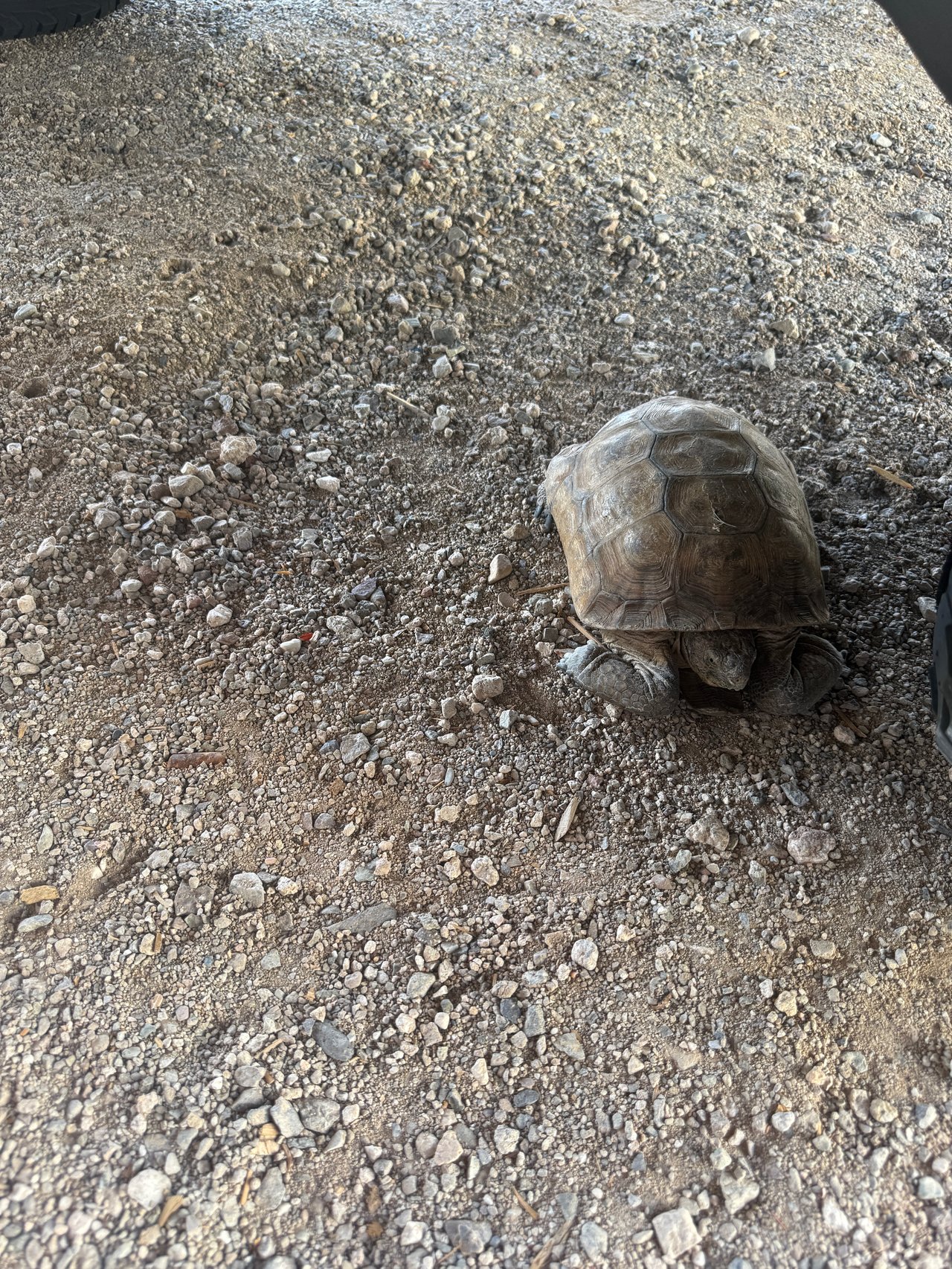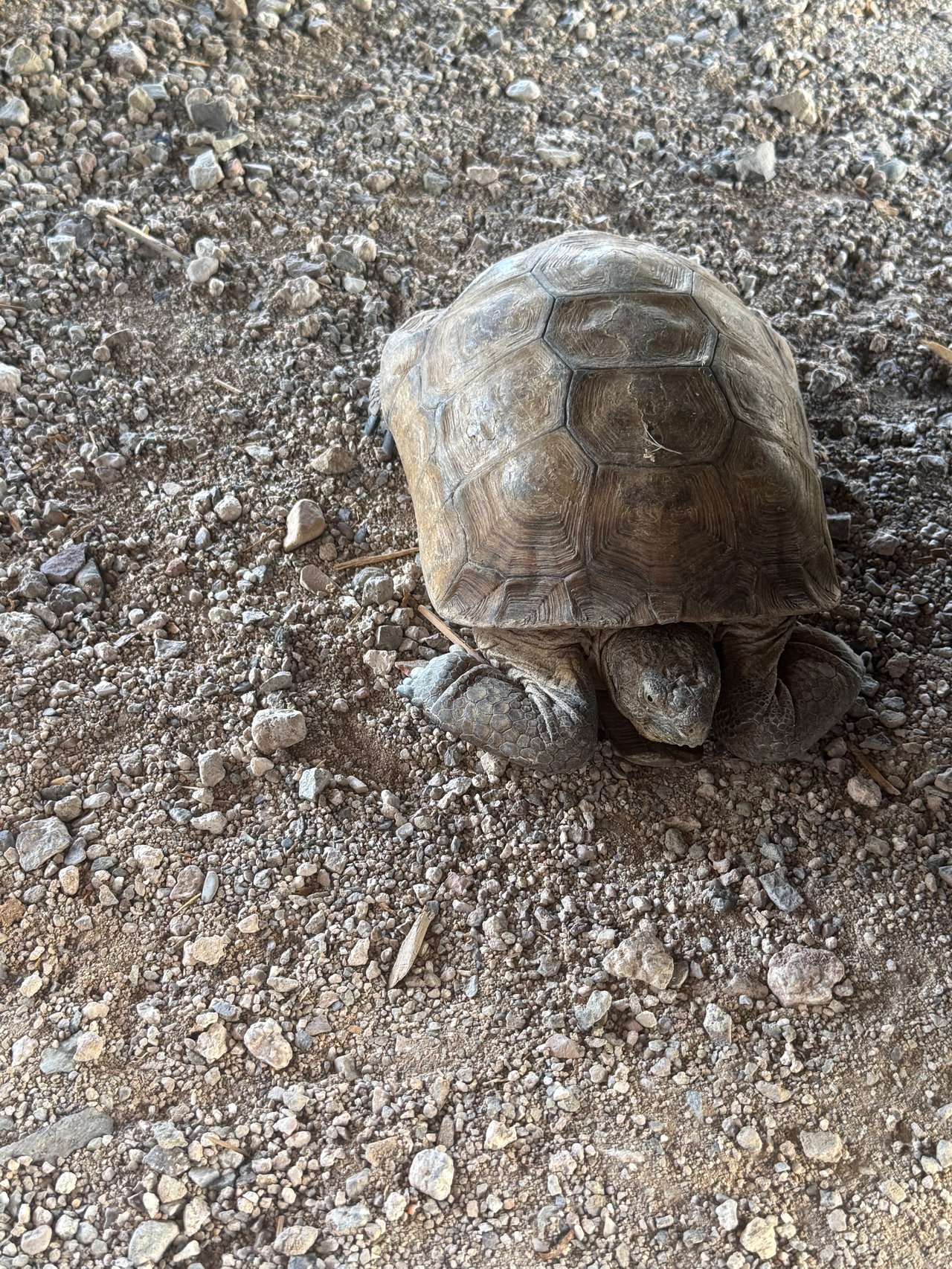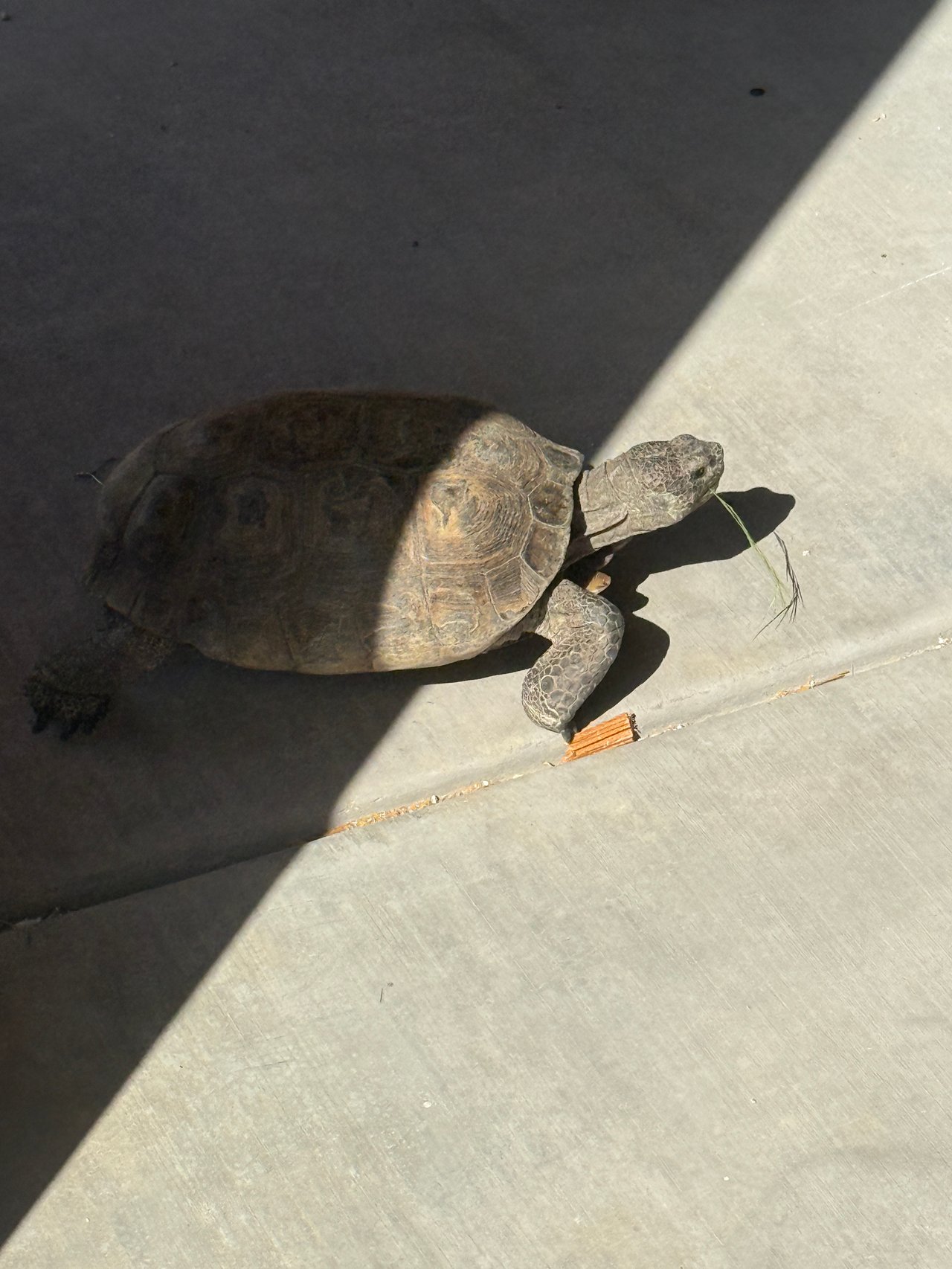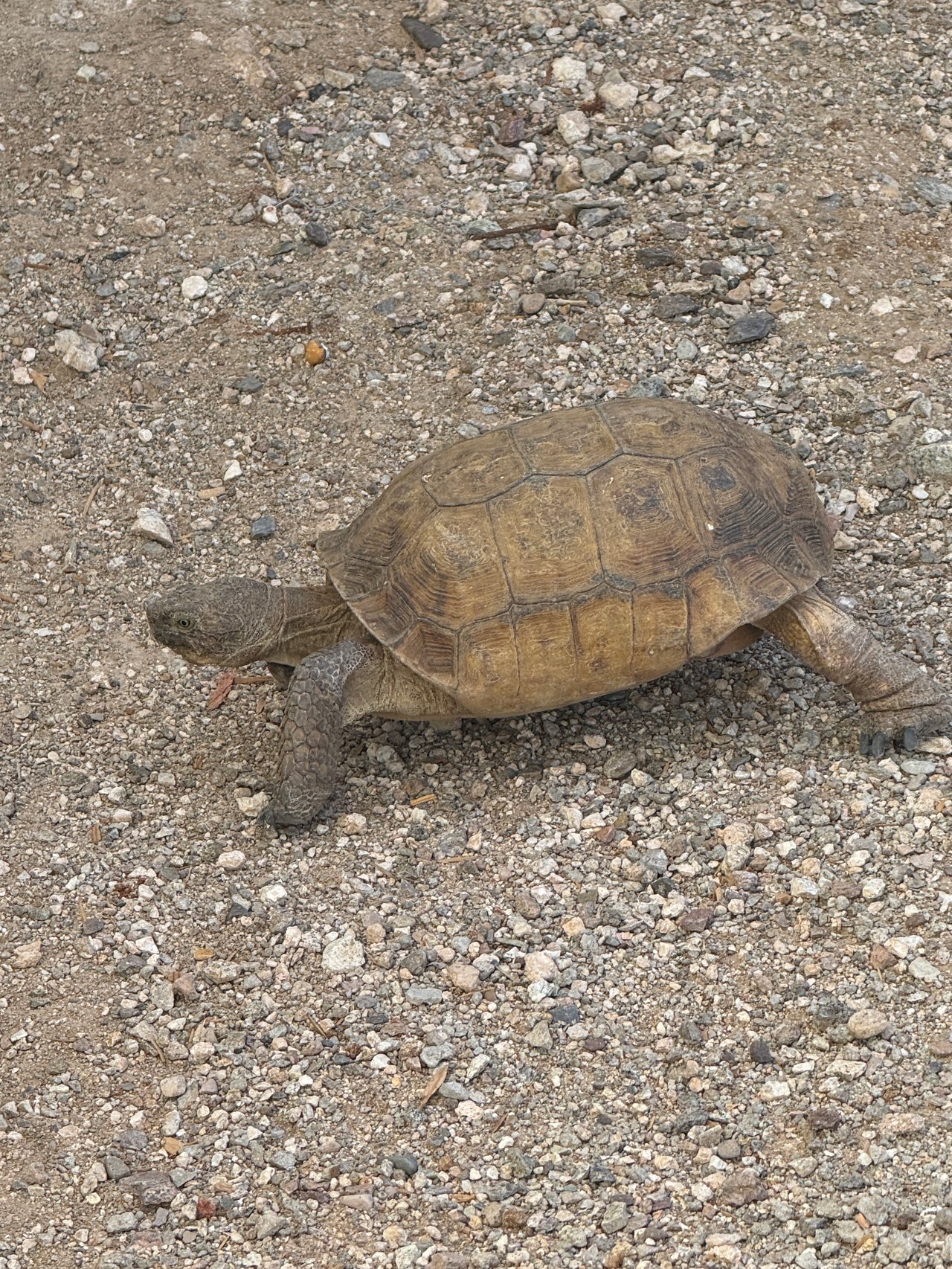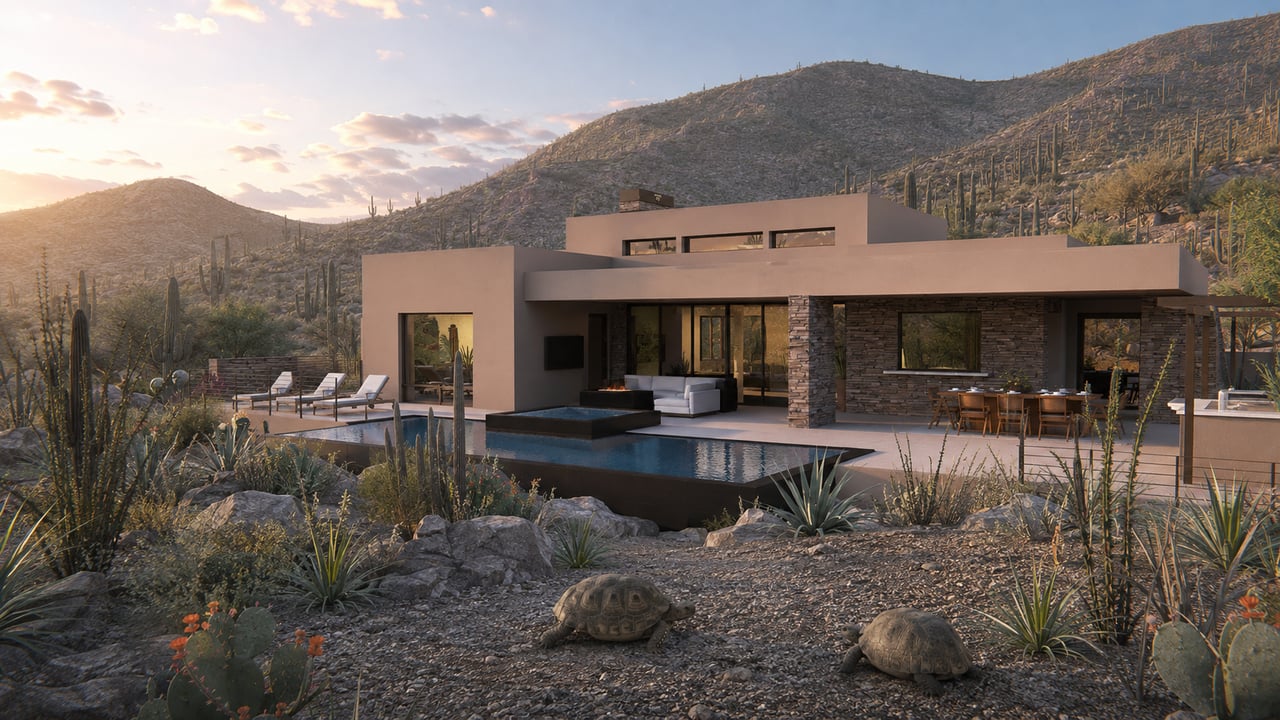
Construction crews working on Moonlight Canyon #32 have had two very quiet supervisors watching their progress.
These longtime desert residents do not carry blueprints, attend construction meetings, or offer opinions about countertops and finishes. Nevertheless, two Sonoran desert tortoises have been living in and around the home site since construction began, quietly observing the creation of Saguaro Ranch’s newest luxury custom home.
And yes, these wonderful creatures appear to come with the home. They may not be listed in the purchase contract, but after watching over construction from the beginning, they seem to have earned permanent visiting privileges.
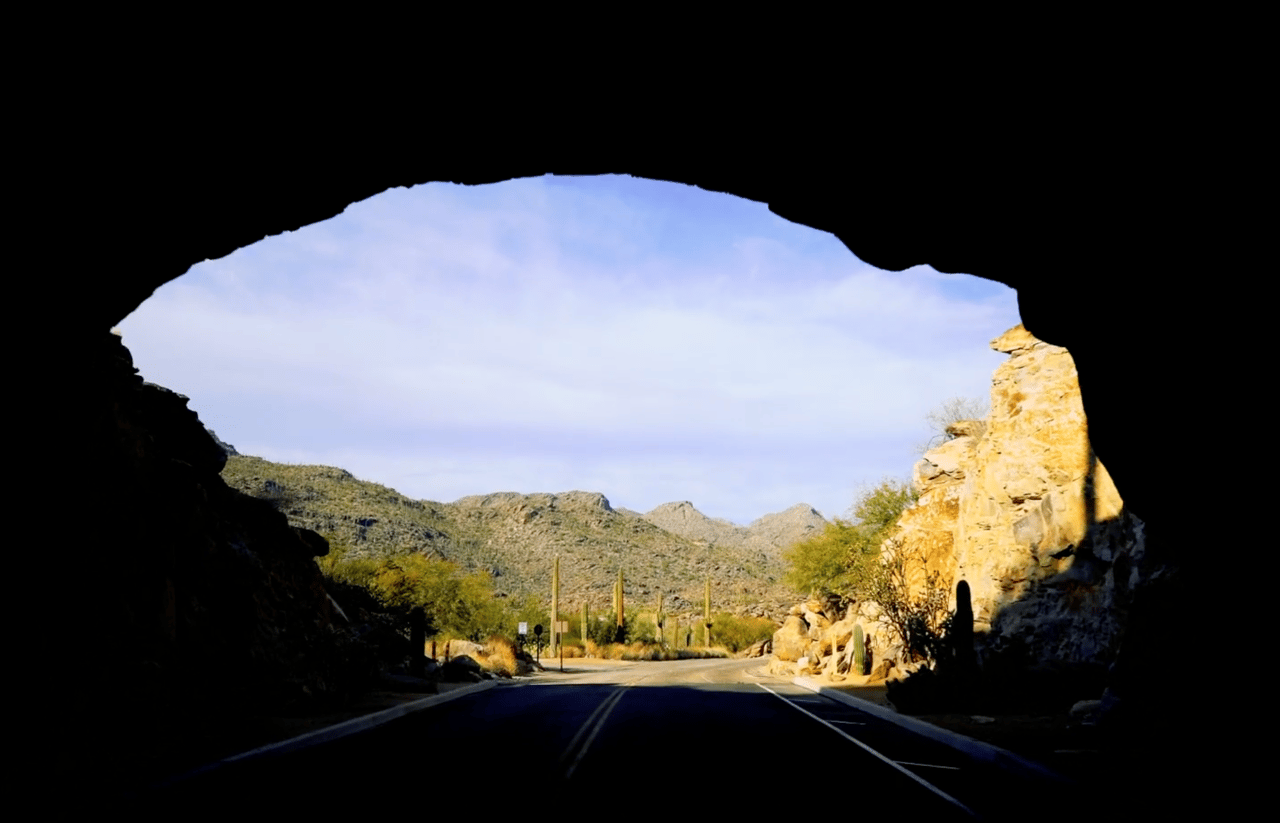
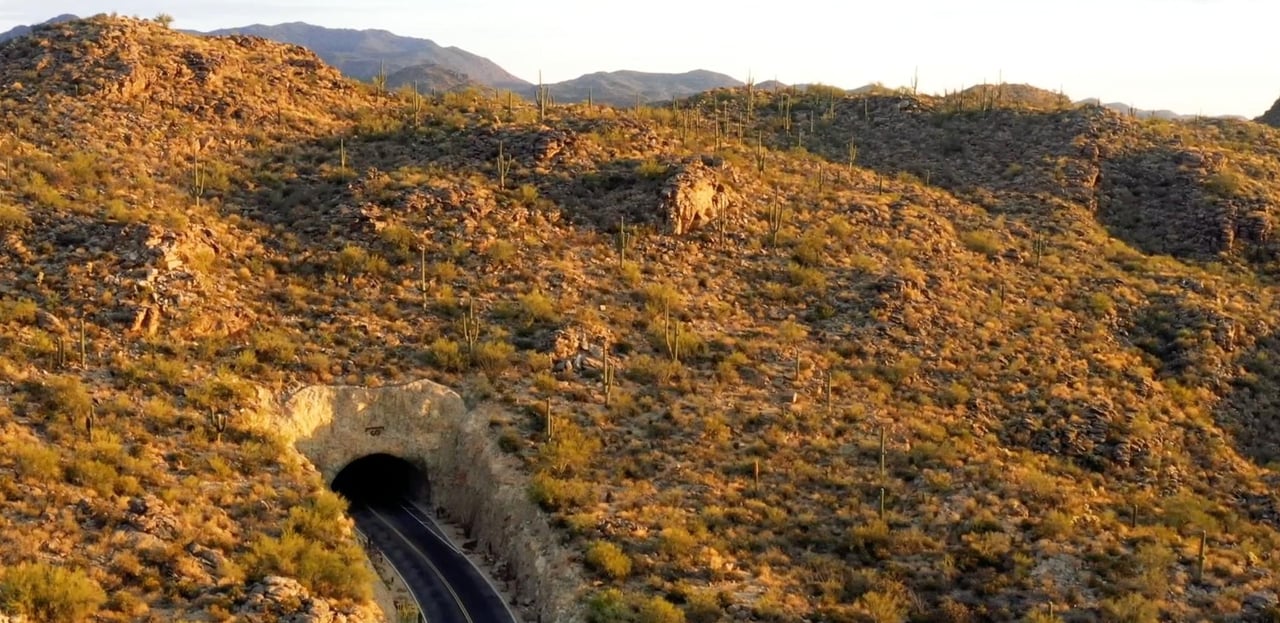
Entering Saguaro Ranch Through the 700-Foot Tunnel
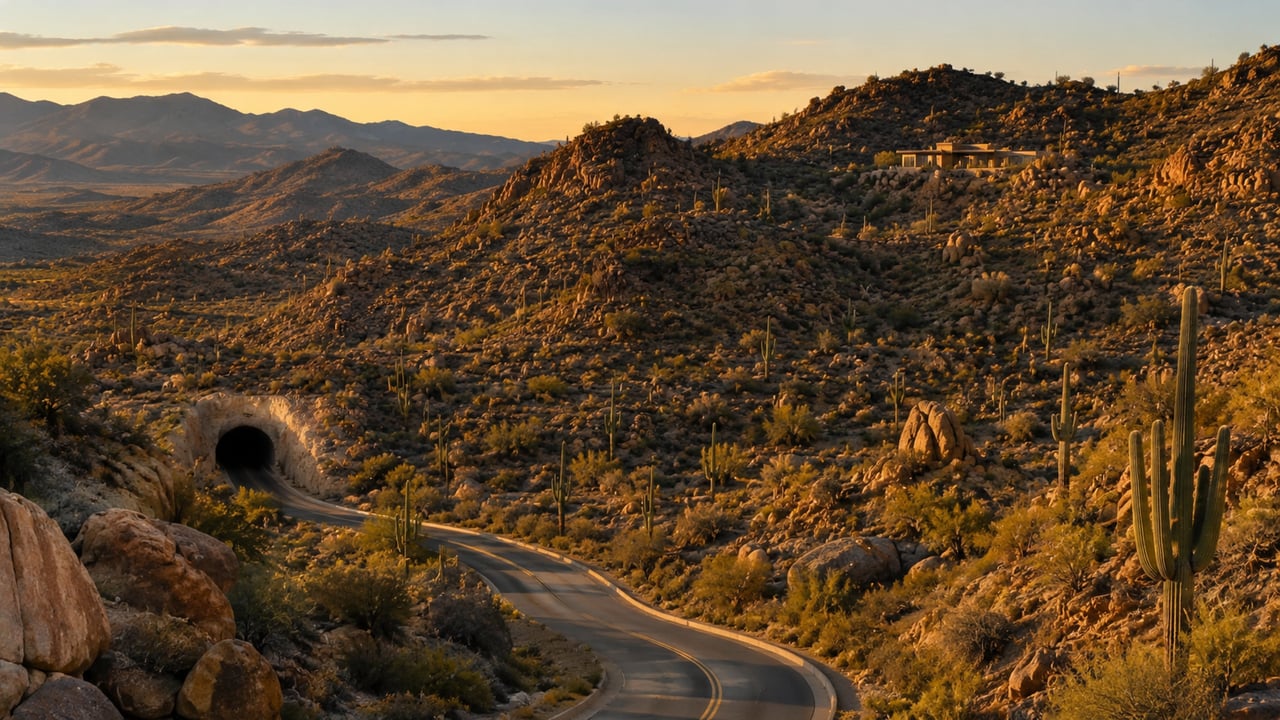
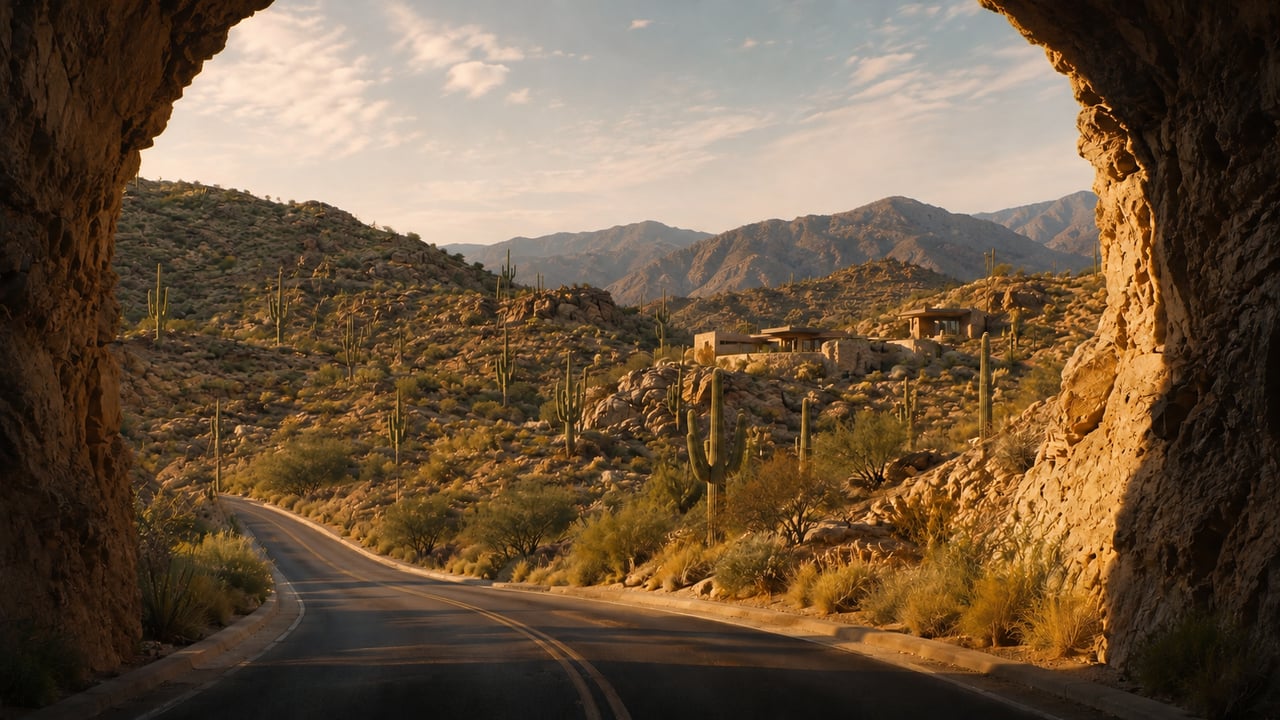
As you enter the Saguaro Ranch tunnel, which extends approximately 700 feet, the outside world begins to fall away. Emerging from the tunnel into the private gated community of Saguaro Ranch in the Tortolita Mountains north of Tucson, residents and visitors are immediately surrounded by dramatic boulders, ancient saguaros, native vegetation, and the protected Sonoran Desert landscape.
The tunnel is more than a memorable entrance. It introduces the preservation philosophy that defines Saguaro Ranch. More than 80% of the community's approximately 1,200 acres are preserved as natural open space, while homes and infrastructure are thoughtfully placed within the remaining developed areas. The result is a community designed to work with the land, not over it.
Tortoises, Not Turtles
Although we may affectionately call them turtles, these residents are more accurately identified as Sonoran desert tortoises. Tortoises live exclusively on land and have strong, elephant-like legs adapted for walking across rocky terrain and digging protective shelters. Turtles, by comparison, spend at least part of their lives in water and generally have limbs adapted for swimming (National Park Service, 2023).
The Sonoran desert tortoise, scientifically known as Gopherus morafkai, is native to the Sonoran Desert of western, central, and southern Arizona, as well as northwestern Sonora, Mexico (U.S. Fish and Wildlife Service, n.d.).
Sonoran desert tortoises naturally inhabit steep, rocky hillsides and the alluvial fans found at the base of mountains. The boulders, slopes, native vegetation, and protected spaces surrounding Moonlight Canyon provide the type of environment these tortoises have inhabited for generations (National Park Service, 2023). In other words, these tortoises are not visiting Moonlight Canyon. They are home.
Masters of Quiet Desert Living
Sonoran desert tortoises are remarkably well adapted to the extremes of desert life. Because they cannot regulate their body temperatures internally, they rely on underground shelters, rocky crevices, and shaded areas to escape the intense summer heat and remain protected during colder winter conditions (Arizona Game and Fish Department, n.d.).
These quiet residents may spend as much as 98% of their lives underground, emerging primarily when conditions are favorable for feeding, drinking, traveling, or reproducing. Their ability to shelter underground allows them to survive in environments where surface temperatures can become dangerously high (National Park Service, 2023).
Their lives also unfold slowly. Sonoran desert tortoises generally live for approximately 50 to 80 years in the wild, meaning that a tortoise seen walking through Saguaro Ranch today may continue to travel these same hillsides for decades (National Park Service, 2023). Like the mighty saguaros surrounding them, desert tortoises remind us that strength is often quiet and that meaningful growth takes time.
Following the Rhythm of the Desert
Sonoran desert tortoises typically eat native grasses, plants, and wildflowers. They may become more visible during periods of favorable weather, particularly when seasonal rainfall encourages new plant growth and provides opportunities to drink (National Park Service, 2023).
Even then, seeing one in the open is a special experience. Their coloring allows them to blend almost seamlessly into the surrounding soil and rocks, making them difficult to notice unless they are moving. That natural camouflage is helpful for survival, but it also means residents, visitors, contractors, and drivers must remain watchful. Desert tortoises may cross trails and roadways or seek shade beneath parked vehicles, especially during warmer weather (Arizona Game and Fish Department, 2025).
These tortoises do not need food, water, or assistance from people. They are specially adapted to follow the natural rhythms of the Sonoran Desert. The best way to appreciate them is also the simplest: allow them to remain wild.
Watching Over Moonlight Canyon #32
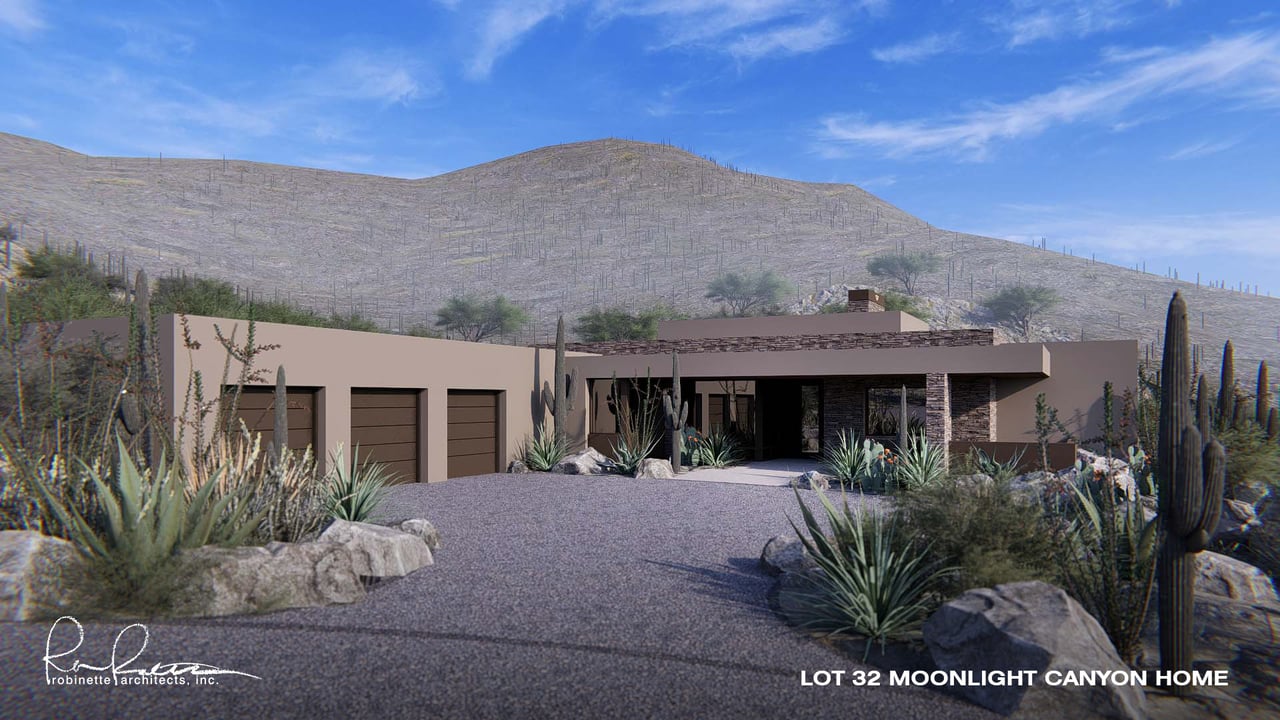
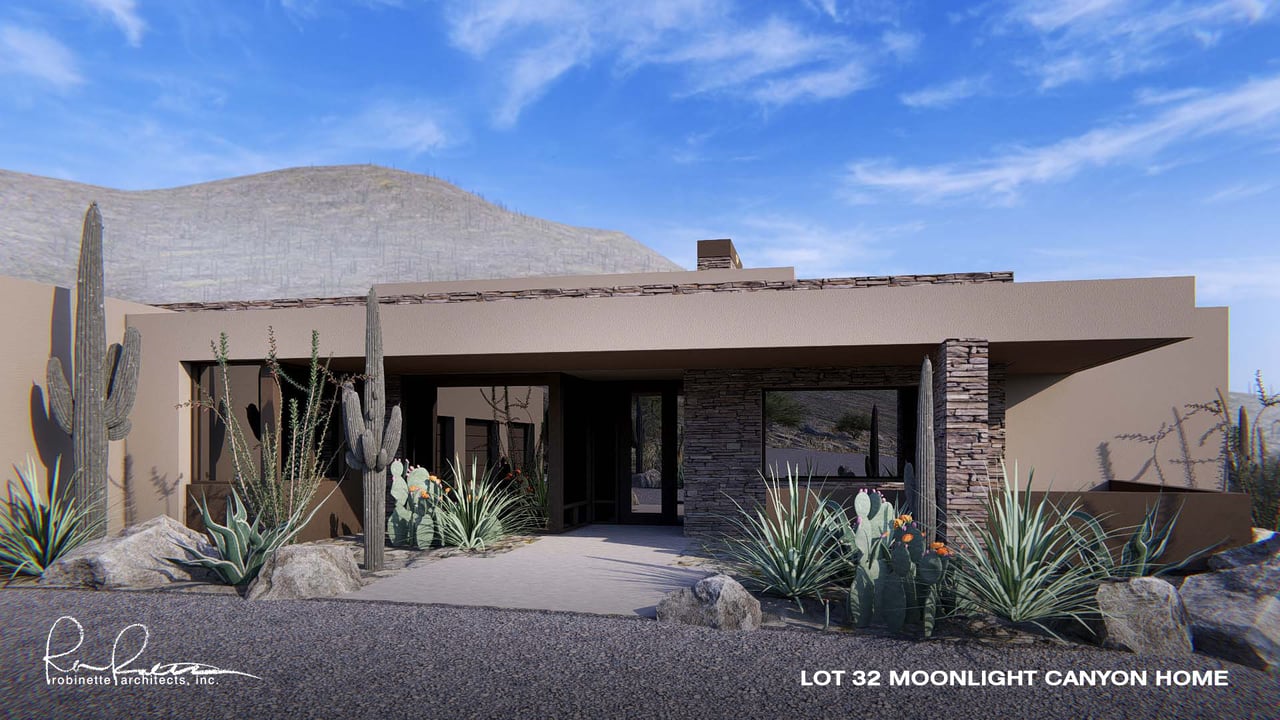
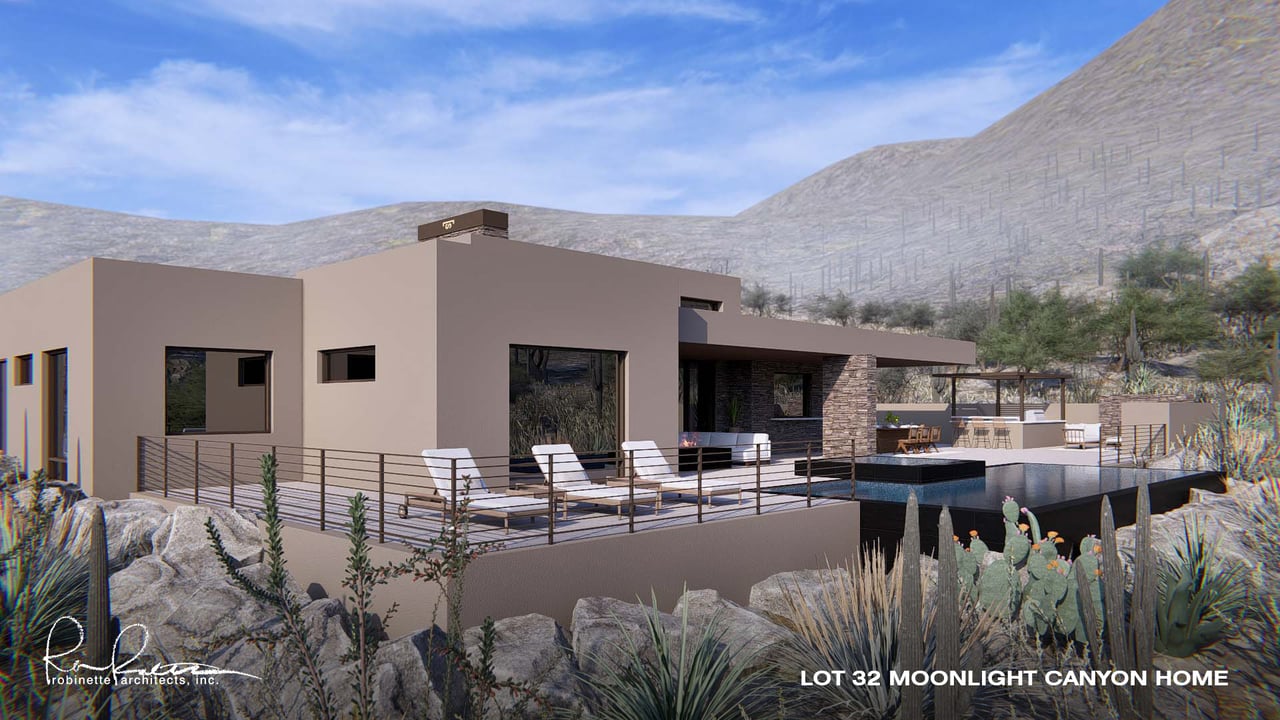
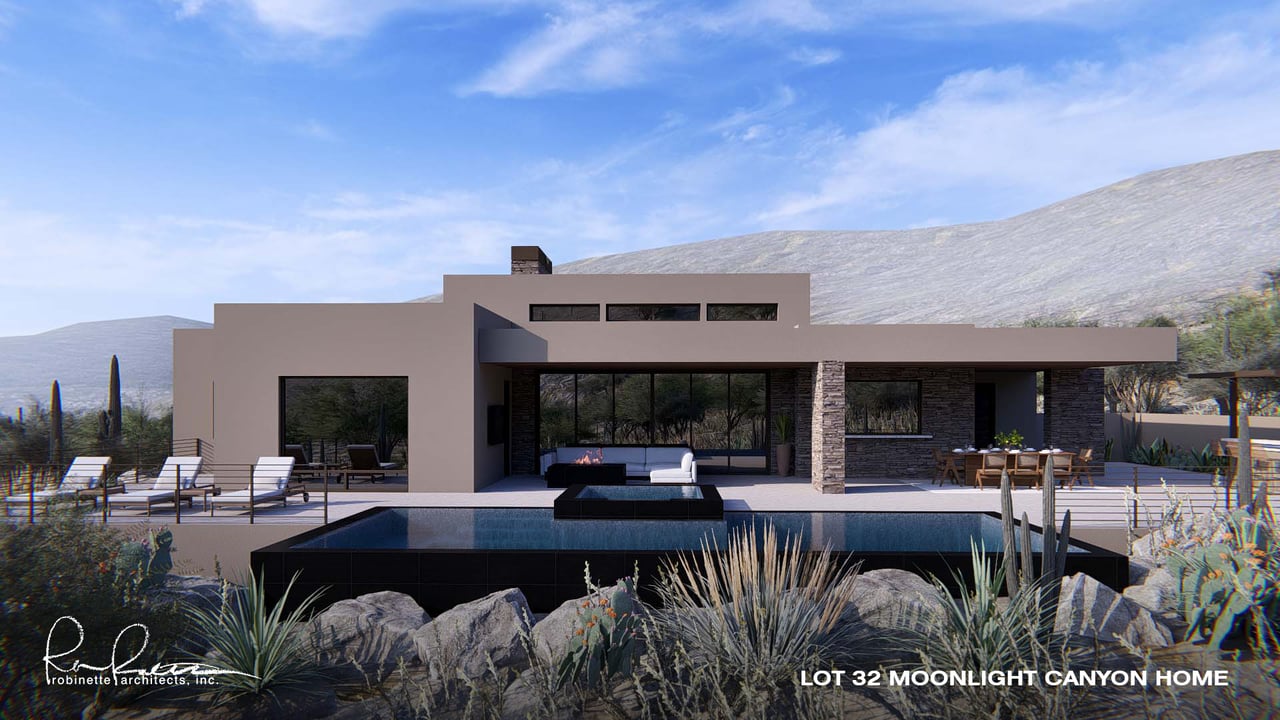
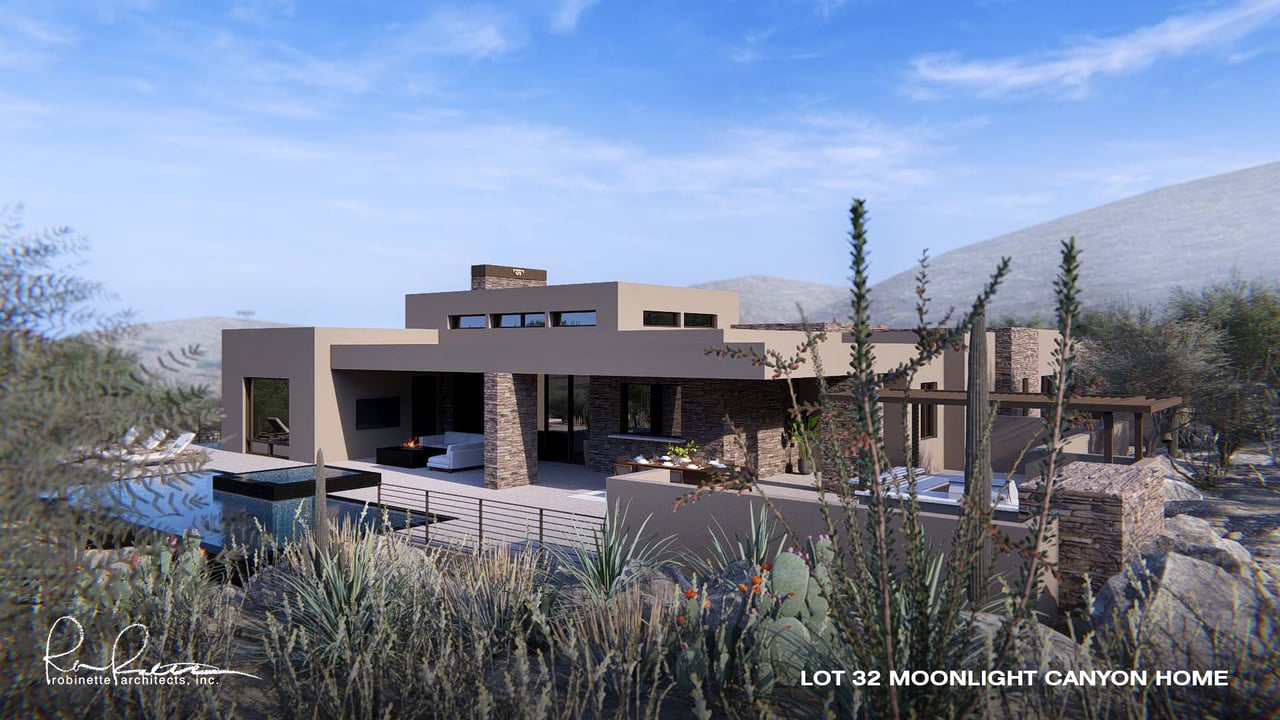
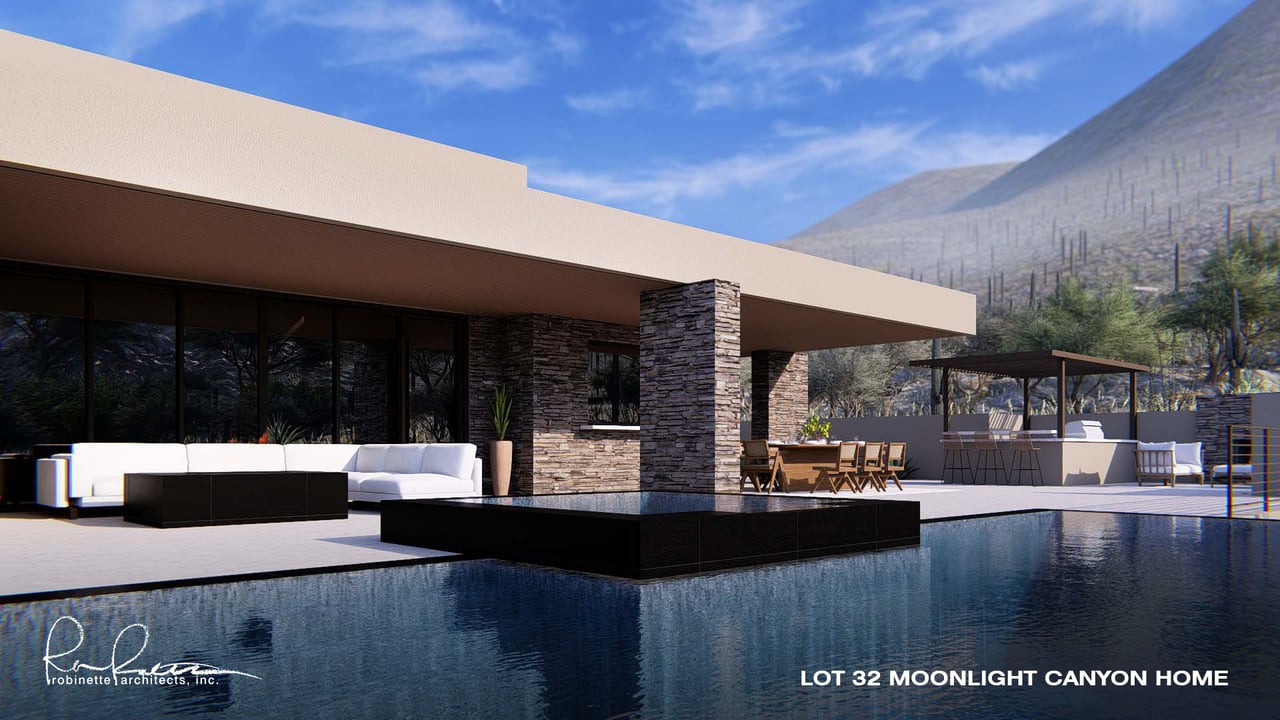
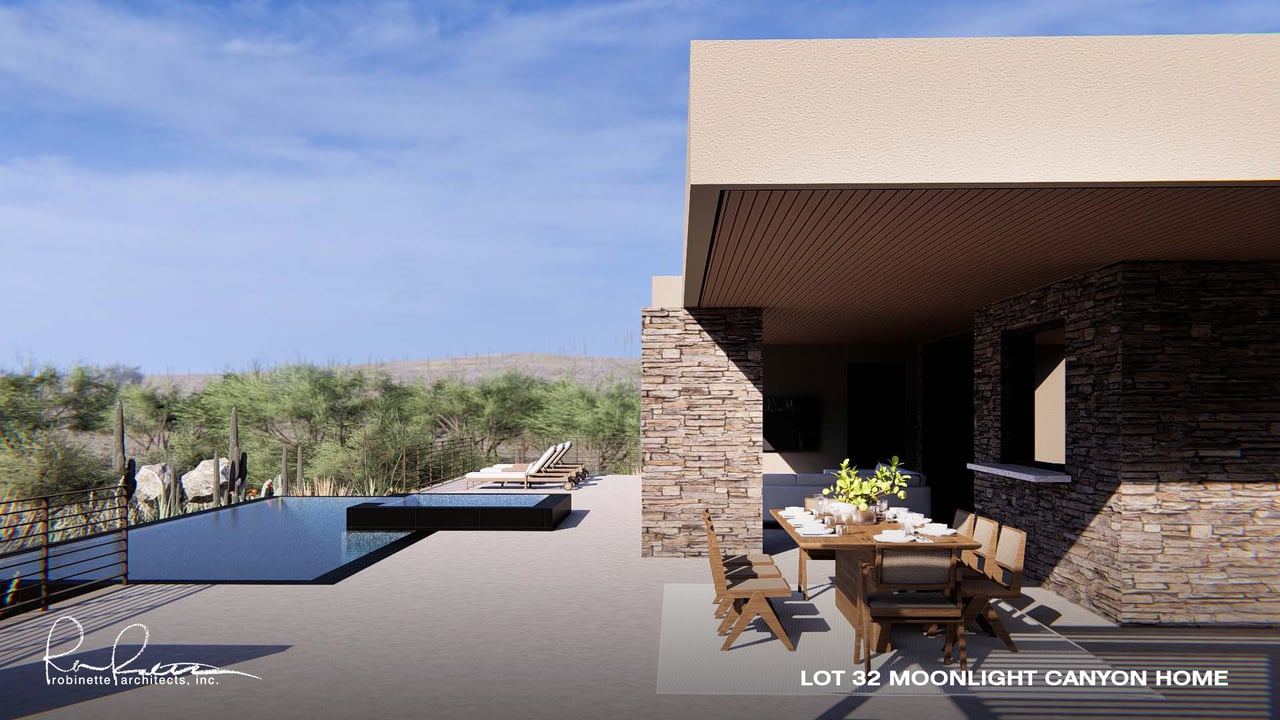
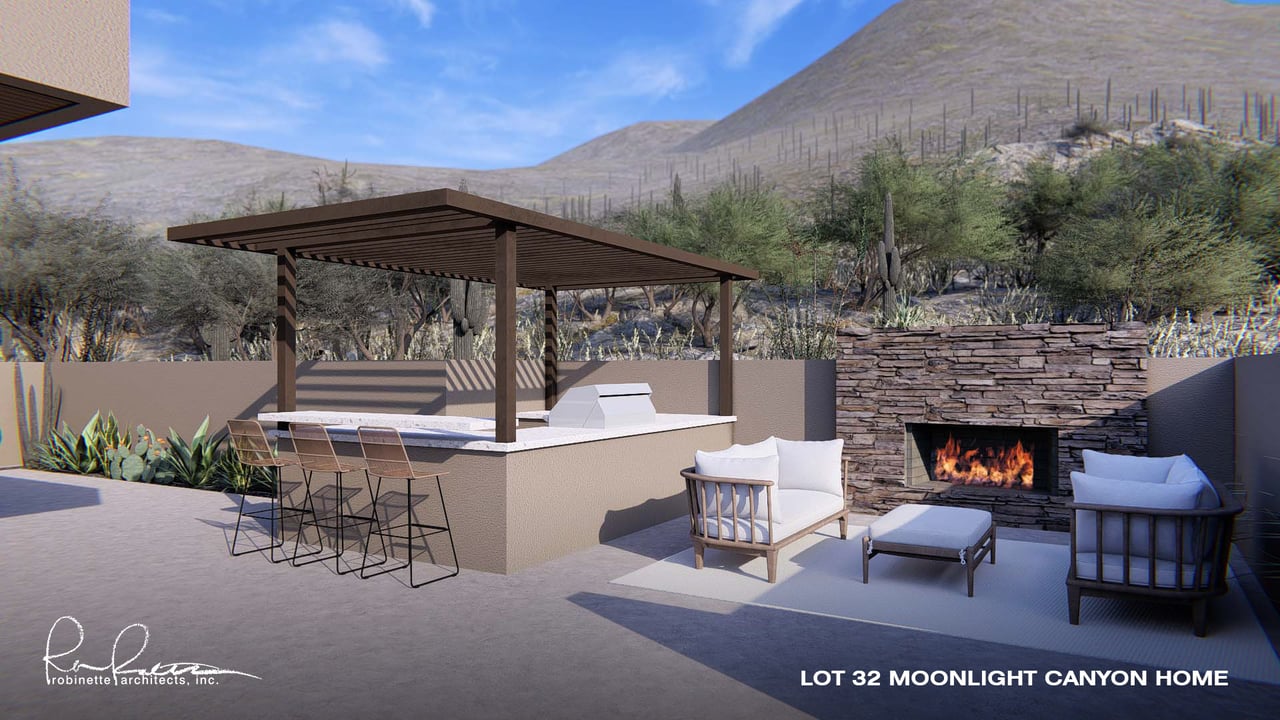
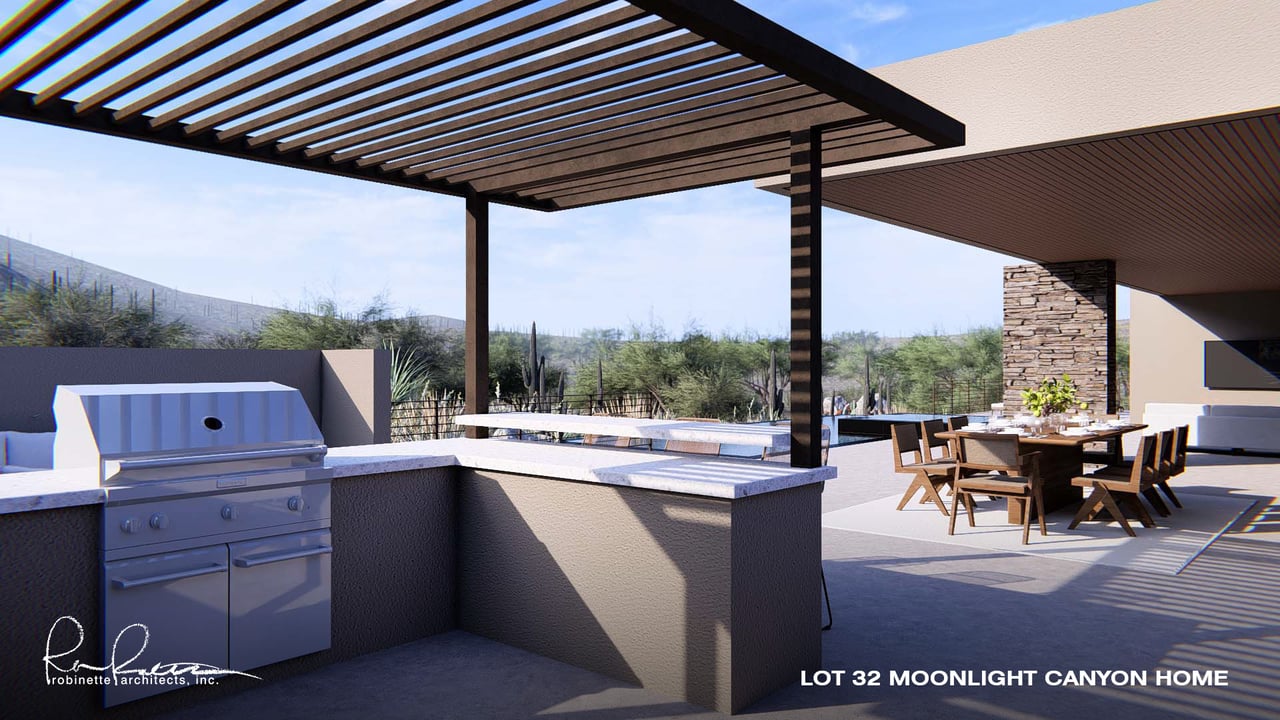
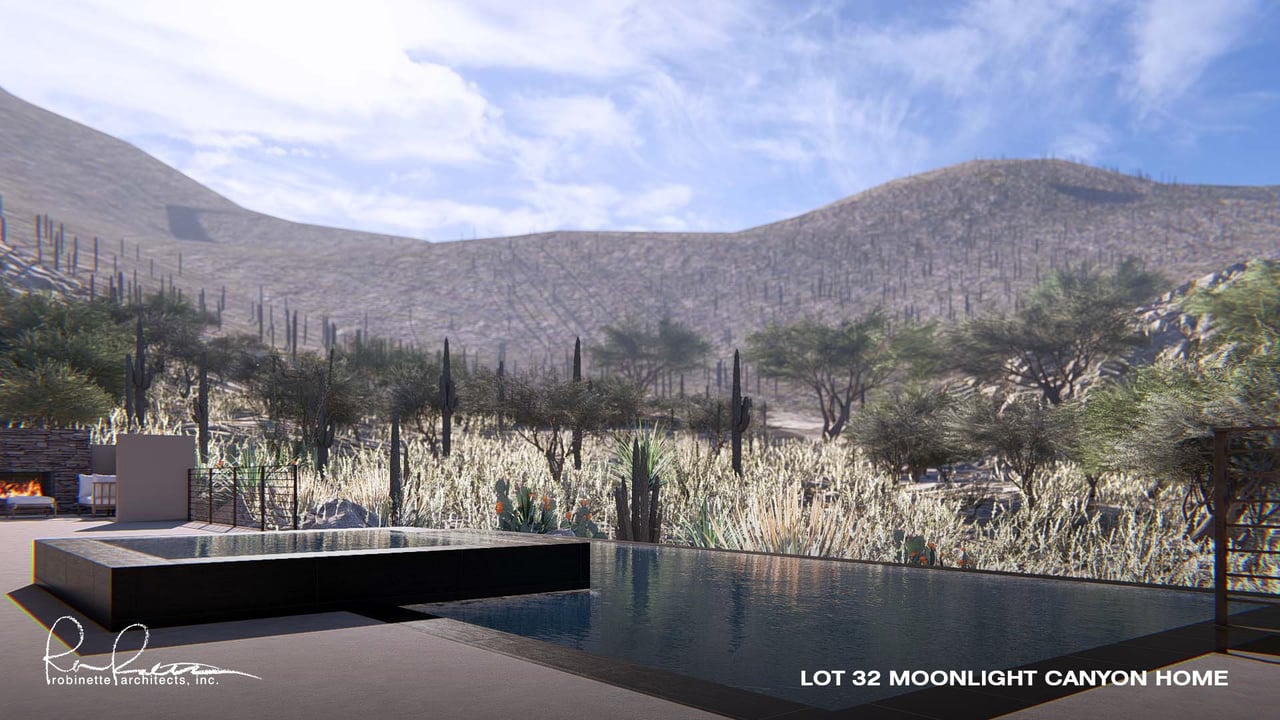
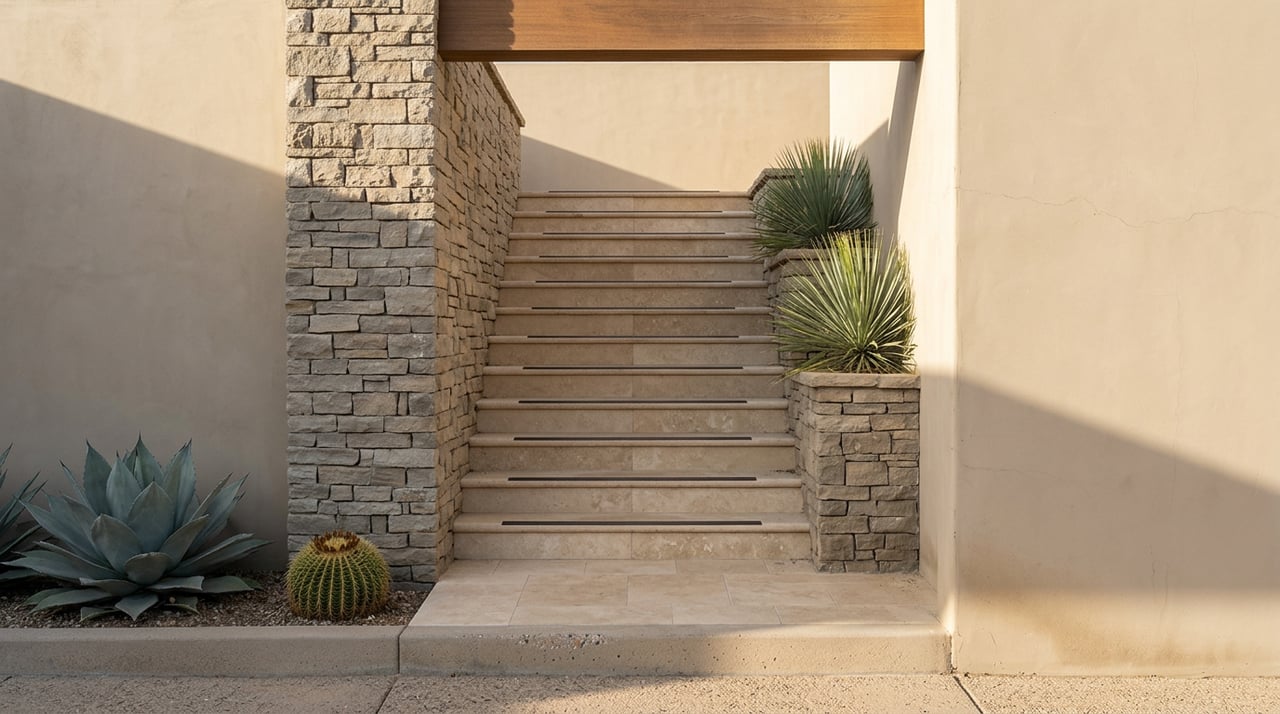
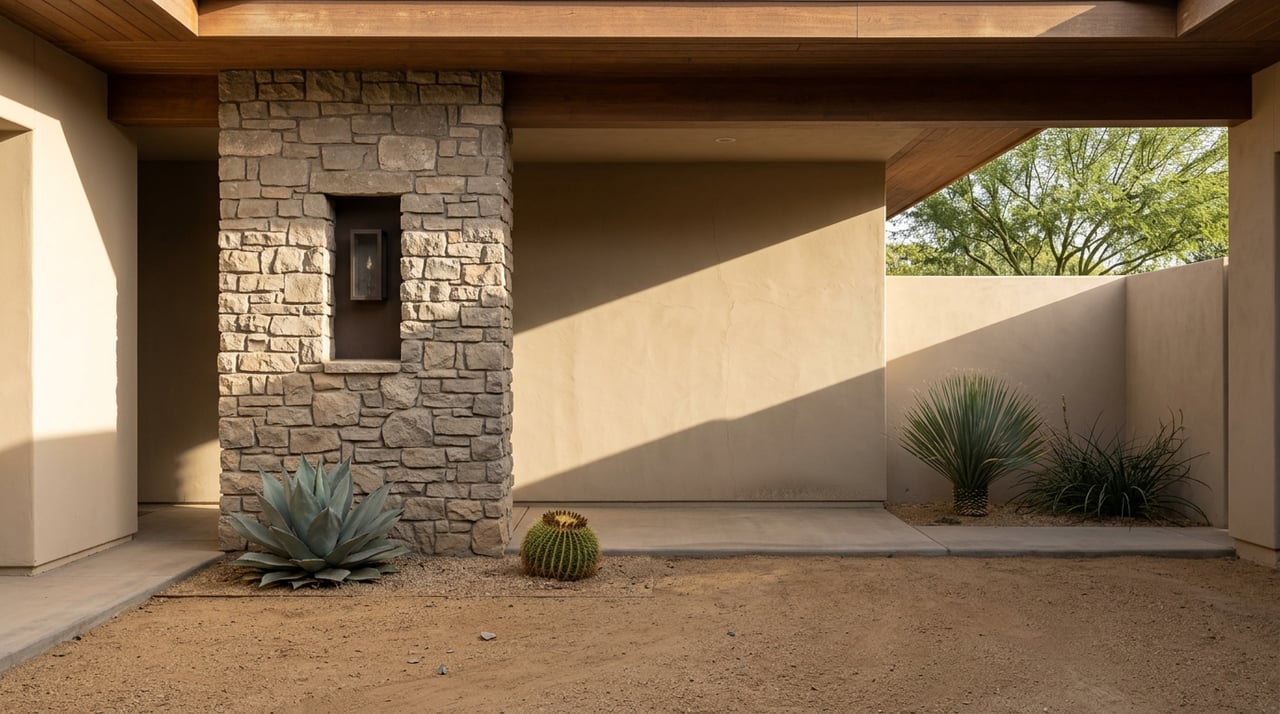
Located at 3840 W. Aldrin Drive, Moonlight Canyon #32 is a luxury custom home currently under construction on a premium 1.02-acre cul-de-sac home site. Designed by architect Ron Robinette, built by RB Custom Homes, and featuring interiors by Lori Carroll, the residence will offer three bedrooms, an office or media room, expansive indoor-outdoor living spaces, a resort-style pool, contemporary desert architecture, and panoramic views of the surrounding mountains.
The home is anticipated to be available for move-in in January or February 2027 and is currently for sale. Throughout the construction process, its two resident tortoises have continued to make appearances around the home site. They were here before the walls began to rise. They have watched the construction crews come and go. And they will probably be inspecting the landscaping long after the home is complete. Their continued presence provides a living reminder that every new residence at Saguaro Ranch becomes part of an established natural community.
For buyers exploring Saguaro Ranch real estate and luxury homes in Tucson, Moonlight Canyon #32 offers a tangible example of the community's approach to custom homebuilding. The residence is being designed around its home site and desert setting, rather than treating the land as something that must be reshaped to fit the home.
Building With the Desert, Not Over It
Saguaro Ranch encompasses approximately 1,200 acres within the Tortolita Mountains. Under the community's 80/20 preservation principle, more than 80% of the land is preserved as natural open space, with approximately 20% available for homes, roads, and supporting infrastructure. Home sites, utilities, and architecture are thoughtfully planned to respect the natural contours and visual character of the surrounding Sonoran Desert.
This preservation approach helps protect saguaros and other native vegetation, rocky slopes, desert washes, natural shelters, and connected open areas that wildlife depends upon. Habitat destruction, fragmentation, drought, wildfire, invasive species, vehicle collisions, disease, and the removal of tortoises from the wild are among the primary threats facing desert tortoises in Arizona (Arizona Game and Fish Department, n.d.; U.S. Fish and Wildlife Service, n.d.).
Thoughtful development cannot remove every challenge facing desert wildlife. However, preserving large areas of undisturbed land gives tortoises and other native animals more room to find food, shelter, water, and safe passage through the landscape. At Saguaro Ranch, the goal is not to remove the desert and then attempt to recreate it around the homes. It is to design and place homes thoughtfully, so they work with the land and preserve the extraordinary landscape that was already here.
For prospective owners researching the cost to build a luxury home in Tucson, that philosophy matters from the beginning. Home site selection, architectural design, permitting, construction, and landscaping are guided by the property's topography, native vegetation, views, and the surrounding desert.
How We Protect Our Quiet Residents
Both Mojave and Sonoran desert tortoises are protected throughout Arizona. State law prohibits harassing, harming, pursuing, capturing, collecting, or removing them from the wild (Arizona Game and Fish Department, n.d.).
When a tortoise appears, residents, visitors, and construction personnel should observe it from a respectful distance and allow it to continue moving in its chosen direction. Children and pets should be kept away to prevent unnecessary stress or injury (Arizona Game and Fish Department, 2025).
Drivers should slow down, watch carefully, and check beneath parked vehicles before moving them, as tortoises sometimes seek shade beneath cars and construction equipment. Wild tortoises should not be fed, handled, relocated (except out of harm’s way), or taken home. Anyone who encounters an injured tortoise or one that appears to be in danger should contact the Arizona Game and Fish Department for guidance (Arizona Game and Fish Department, 2025). At Saguaro Ranch, we prefer to admire these quiet residents on their terms.
More Than a Home site
The presence of these two tortoises at Moonlight Canyon #32 captures something special about life at Saguaro Ranch. This is not simply a community where homes have desert views. It is a place where residents share the landscape with wildlife that has inhabited the Tortolita Mountains for generations.
The tortoises do not recognize lot boundaries, construction schedules, closing dates, or property lines. They recognize rocky shelters, native vegetation, seasonal rainfall, and familiar pathways through the desert. Their presence reminds us that responsible development is not only about what we build. It is also about what we choose to protect.
The Home Comes With a Story
The future owners of Moonlight Canyon #32 will receive a thoughtfully designed luxury residence surrounded by mountain views, ancient saguaros, native desert vegetation, and the remarkable natural character of Saguaro Ranch. The home may also include two unofficial neighborhood ambassadors. After all, these tortoises have been watching over construction from the beginning. It only seems fair that they retain their visiting privileges. At Saguaro Ranch, the desert is not simply outside your home. It is part of your story.
Experience Saguaro Ranch
For prospective residents discovering Tucson from cities with nonstop air service to Tucson International Airport, a private visit to Saguaro Ranch begins with one of the community's most distinctive features, the tunnel that extends approximately 700 feet from the outside world into the private gated community. Beyond it are custom home sites, protected Sonoran Desert open space, and a preservation philosophy that remains visible in the land, the saguaros, and the wildlife.