If you picture luxury in Tucson as bigger rooms and higher-end finishes alone, you are only seeing part of the story. In this part of Southern Arizona, true luxury often feels quieter, wider, and more connected to the land around you. If you are searching for a home that offers privacy, room to breathe, and nights under a clear desert sky, Tucson has a distinct advantage (read why privacy is a true luxury). Let’s dive in.
Why Tucson Luxury Feels Different
In many markets, luxury is measured mainly by interiors. In Tucson, luxury is also shaped by the space outside your walls.
Tucson is still a substantial metro, with an estimated 554,013 residents in the city and 1,080,149 in Pima County as of July 1, 2024. Yet the region still offers low-density edges and broad desert surroundings that make privacy and openness possible in ways that feel increasingly rare.
That pattern is not random. Pima County’s Sonoran Desert Conservation Plan was created to balance development with conservation, habitat protection, mountain parks, and ranch land. For you as a buyer, that means the landscape itself helps define the living experience (learn more about a community that preserves nature).
Privacy Starts With Land
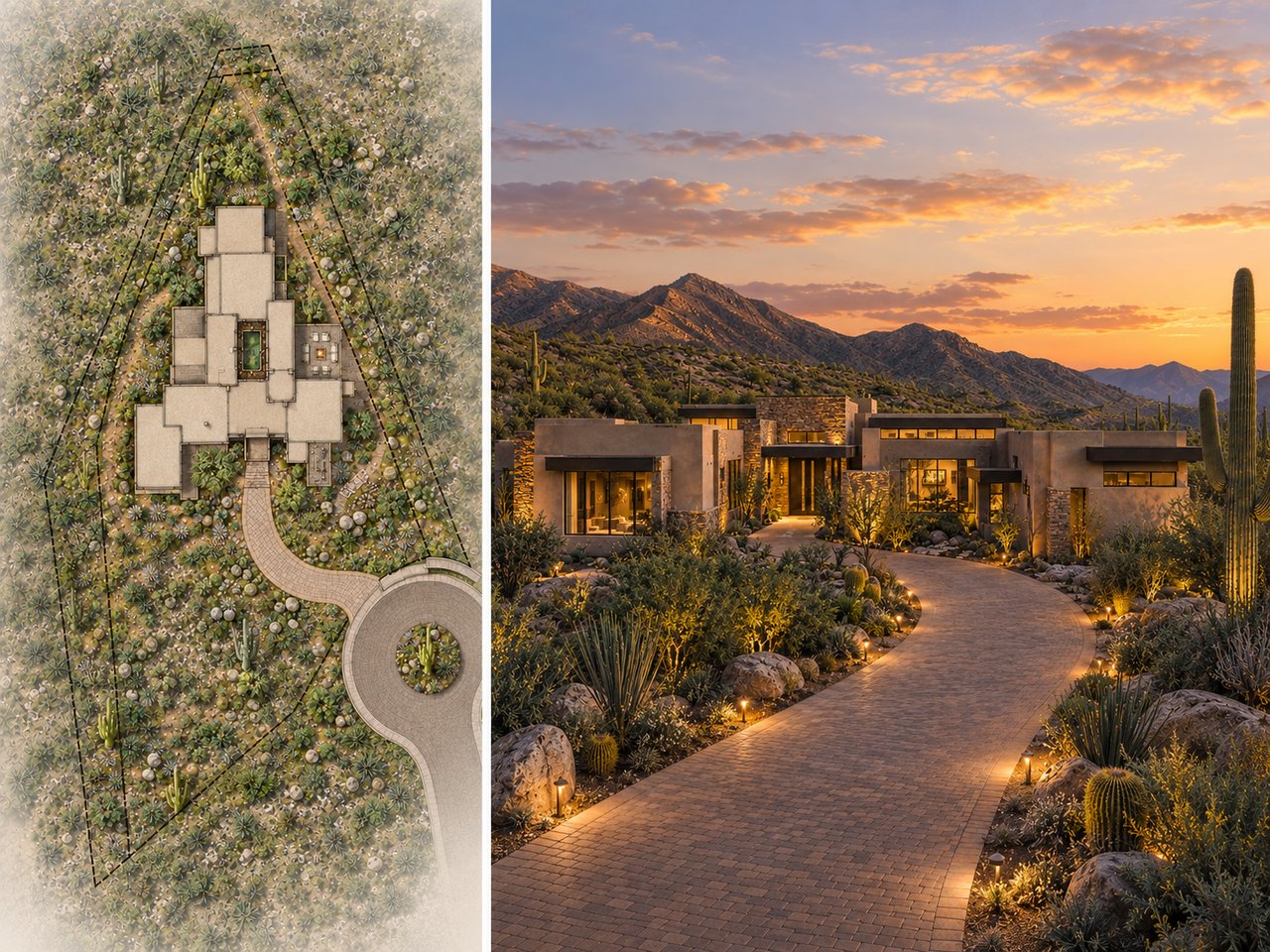
Privacy in Tucson luxury homes is often less about gates and more about geography. Distance between homes, natural topography, and preserved desert can create a stronger sense of retreat than walls alone (discover what it's like to live in a private canyon).
Pima County land-use designations include rural and low-intensity categories, with some areas allowing densities as low as 0.3 residences per acre. That planning framework helps make larger homesites possible in selected parts of the county, which is one reason acreage matters in luxury real estate.
When you tour luxury property in the Tucson area, you may notice that the most private settings often share a few common traits:
- Larger homesites
- Natural desert buffers
- Hillside or elevated siting
- Long view corridors
- Low visual clutter from nearby development
This is one reason the desert can feel so calm. Privacy is often built into the broader land pattern, not added later as an afterthought.
Protected Open Space Shapes Daily Life
The Tucson region benefits from a remarkable amount of preserved land. That preserved space does more than protect scenery. It also helps create the quiet, uncluttered setting many luxury buyers want (explore the value of natural open space).
Pima County says it has acquired rights to more than 180,000 acres within the Conservation Lands System. County materials also describe roughly 260,000 acres of county-owned and managed mountain parks, ranches, and other conservation areas.
Those numbers matter because they translate into a daily experience. Preserved land can help maintain broader sightlines, more natural edges, and fewer visual interruptions across parts of the region.
Tortolita Mountain Park is one example, covering 3,100 acres about a half-hour north of Tucson. On the west side of the metro, Tucson Mountain Park spans about 20,000 acres, making it one of the largest natural resource areas owned and managed by a local government in the country.
For you, this means luxury in Tucson can feel immersive. You are not just buying a home. You are often buying into a relationship with surrounding desert, mountain backdrops, and a stronger sense of separation from the pace of the city (see our guide to comparing Tucson's most sought-after luxury communities).
Why Stargazing Is Part of Luxury Here
In Tucson, dark skies are not just a nice bonus. They are protected, valued, and woven into the identity of the region (learn about Tucson's dark night sky).
Tucson and Pima County maintain a joint Outdoor Lighting Code Committee, and county materials state that the outdoor lighting code applies throughout the city and unincorporated county. The purpose of the code is to reduce intrusive lighting effects, limit wasted energy, and preserve access to the night sky (read our guide to dark sky outdoor lighting for Tucson homes).
That has a direct impact on how luxury living feels after sunset. Instead of harsh glare and excessive light spill, many parts of the region benefit from a more restrained nighttime environment that supports evening outdoor living and better sky visibility.
Dark-sky protection also carries real local significance. City planning materials say the region’s astronomy industry supports about 4,000 jobs and contributes roughly a quarter-billion dollars per year to the local economy. In other words, protecting darkness is not only about aesthetics. It is part of Tucson’s broader identity.
A Night Sky Worth Protecting
The quality of Tucson’s night sky is recognized well beyond the local market. In 2023, Saguaro National Park was certified by DarkSky International as an Urban Night Sky Place.
That designation is especially notable because it applies to sites near major urban areas that still provide an authentic nighttime experience. The park protects more than 94,000 acres of Sonoran Desert, including more than 70,000 acres of wilderness, and regional lighting rules help reduce light pollution from surrounding communities.
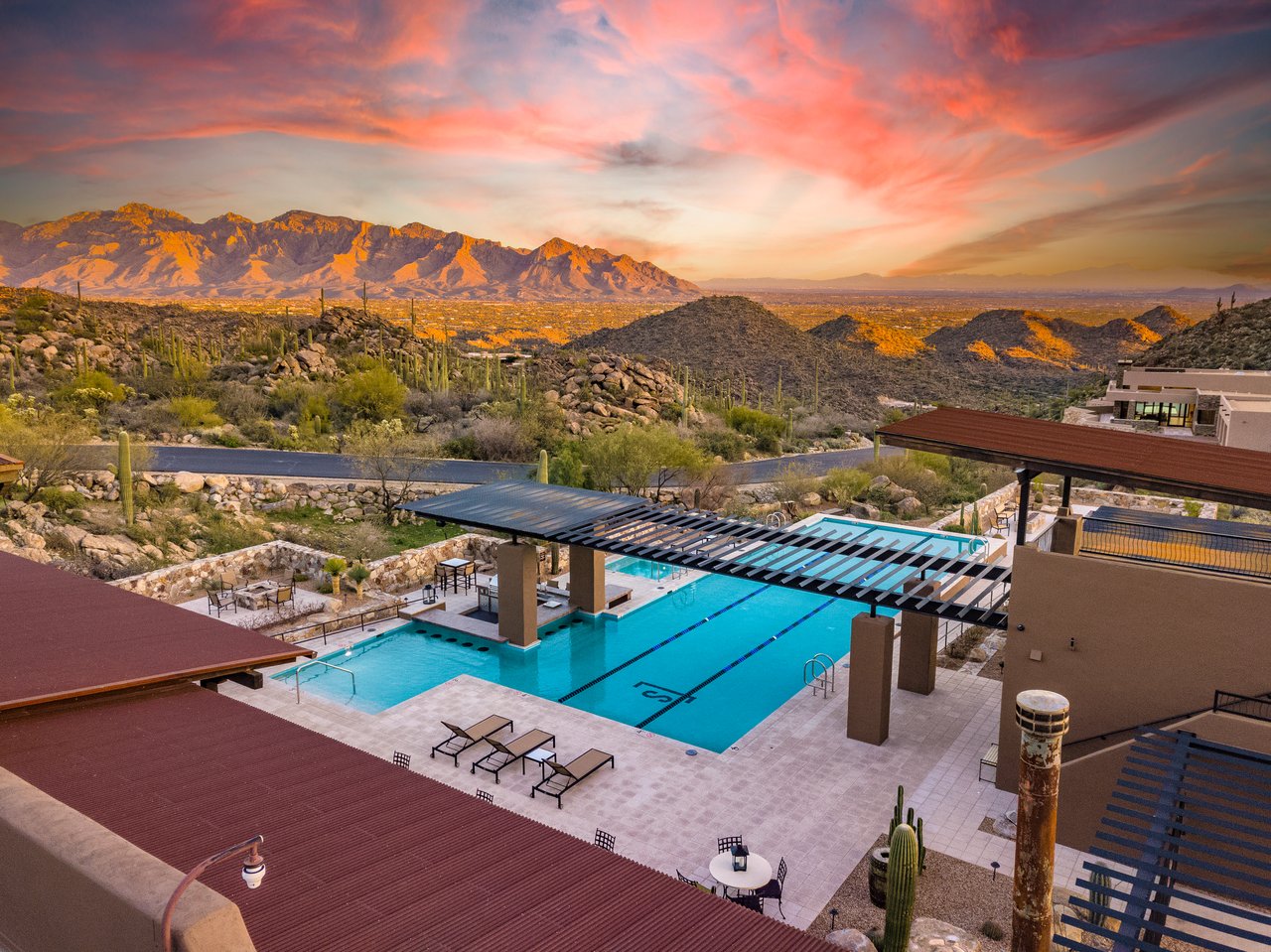
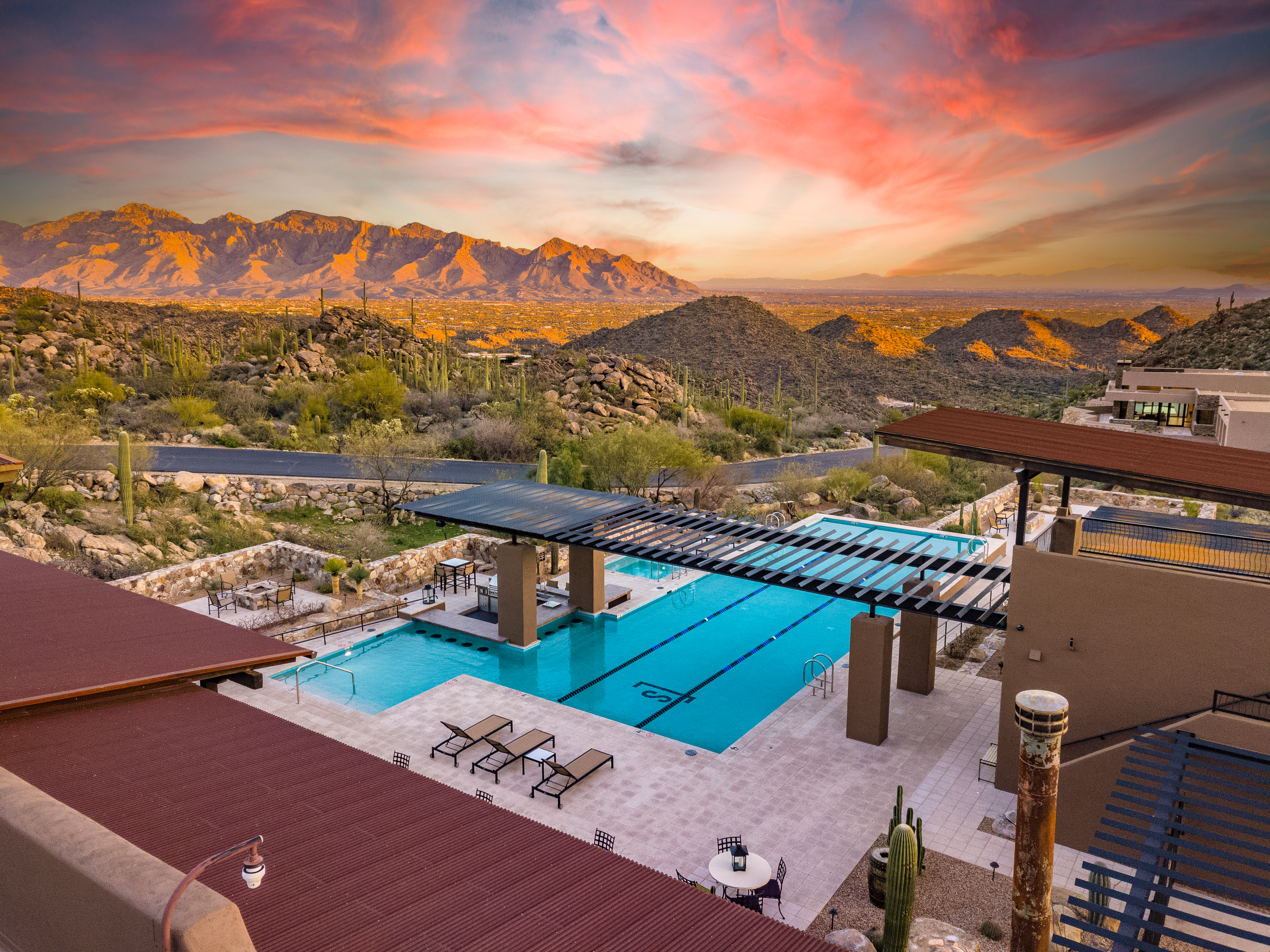
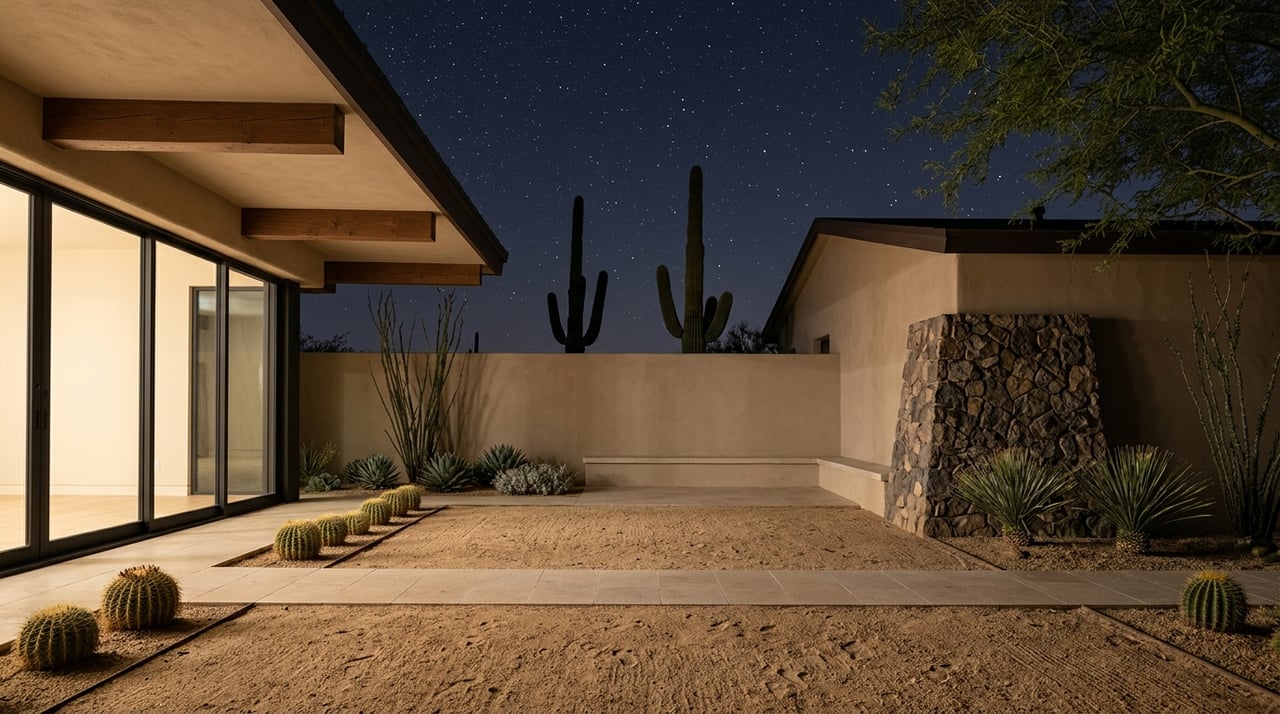
For a luxury homeowner, this adds another layer of value. Outdoor living in Tucson does not stop at sunset. Patios, pools, fire features, and covered terraces can become places where the sky itself is part of the experience (be enchanted by the starry skies of Saguaro Ranch).
Visit Tucson also highlights the region as a stargazing destination, with observatories, an Astro Trail, and dark-sky experiences that extend the appeal of desert living well into the evening hours (discover why the night sky above Tucson took fifty years to build).
Climate Makes Outdoor Space Essential
Tucson’s climate helps explain why private outdoor space matters so much in high-end homes. According to NOAA and the National Weather Service climate normals for Tucson, the city has an annual average temperature of 70.6°F and annual precipitation of 10.61 inches.
The same data shows an average of 68 days each year at 100°F or higher. In practical terms, that makes thoughtful outdoor design especially important.
When you are evaluating a luxury home in Tucson, outdoor features are not secondary. They are central to how the property functions through the year.
Look for features that support comfort and flexibility, such as:
- Covered terraces
- Shaded courtyards
- Pools and water features
- Evening gathering spaces
- Low-profile siting that protects views
- Outdoor rooms designed for morning and sunset use
In this climate, well-planned outdoor space expands the way you live at home. It can give you more places to relax, entertain, and enjoy the desert on its own terms.
What Buyers Often Want Most
Many luxury buyers in Tucson are searching for the same three benefits, even if they describe them in different words. They want privacy, usable space, and a meaningful connection to the natural setting.
That might mean a larger homesite with more room between neighbors. It might mean a home positioned to capture mountain views and preserve quiet. It might also mean lighting and site planning that let you enjoy the stars instead of competing with glare.
In Tucson, these benefits tend to work together. A lower-density setting can support more privacy. Preserved open land can improve views and reduce visual clutter. Dark-sky protections can make outdoor living more memorable at night.
Saguaro Ranch as a Local Example
Saguaro Ranch offers a clear local example of how these ideas come together in practice. Brand materials describe it as a private desert sanctuary of roughly 1,200 acres in the Tortolita Mountains, with more than 80% of the land preserved.
That preservation-first approach helps turn abstract buyer goals into real planning outcomes. Instead of treating privacy and views as marketing language, the community ties them to a limited number of homesites, protected land, low-profile design, and dark-sky-friendly guidelines.
Saguaro Ranch also describes Moonlight Canyon homesites as roughly one- to three-acre lots within a preservation-oriented neighborhood. For buyers who want space without sacrificing design quality, that kind of framework can offer a more intentional path forward.
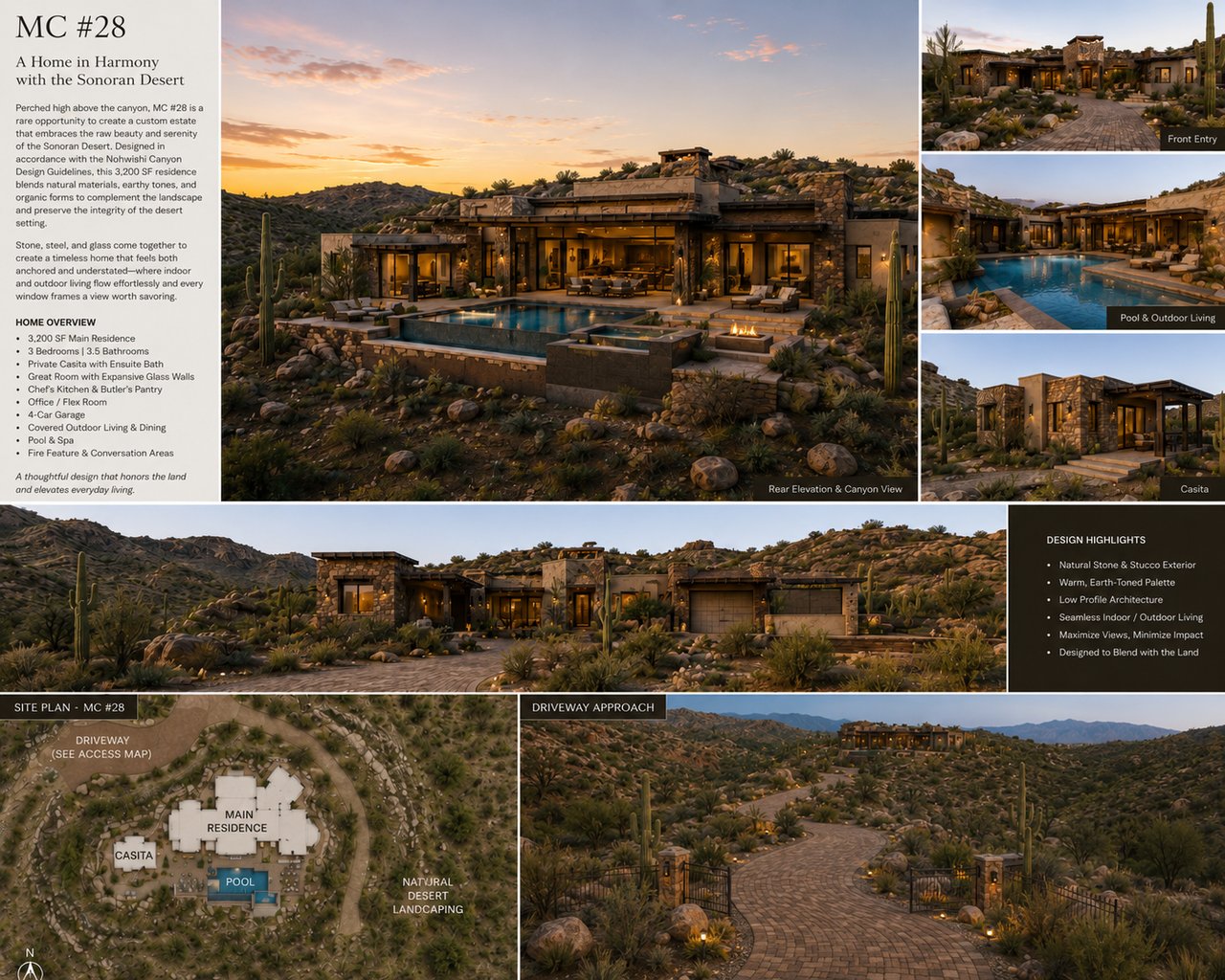
The community’s approach also includes pre-approved semi-custom plans, select spec homes, build-to-suit opportunities with endorsed luxury builders, and a private clubhouse with amenity-rich daily living. Together, those elements create a streamlined way to pursue a high-design desert home in a setting shaped by stewardship.
How to Evaluate Tucson Luxury Homes
If privacy, space, and stargazing matter to you, it helps to look beyond finishes during your search. Some of the most important value drivers in Tucson are found in the site itself.
As you compare properties, consider asking:
- How large is the homesite?
- What surrounds the property today?
- Is there preserved land or open desert nearby?
- How does the home sit on the land?
- What do the sightlines feel like from key indoor and outdoor spaces?
- How does the property support nighttime outdoor use?
- Are there community or local lighting standards that protect the sky?
These questions can help you understand whether a home simply looks luxurious, or truly delivers the Tucson lifestyle many buyers are after.
The Real Luxury Is What Stays Unbuilt
One of the most compelling things about Tucson luxury living is that some of its greatest value comes from restraint. Preserved desert, lower-density planning, and dark-sky stewardship all help create a living experience that feels calmer and more lasting.
For you, that can mean more than a beautiful home. It can mean waking up to long mountain views, enjoying true quiet, and ending the day beneath a sky that still feels visible and alive (read about elevated desert living).
If that is the kind of luxury you are looking for, Tucson offers a rare combination of natural beauty, planning discipline, and outdoor livability. To explore homesites, semi-custom opportunities, and desert living shaped by preservation, contact us today to schedule a private visit with Saguaro Ranch.
FAQs
Why does acreage matter in Tucson luxury homes?
- In selected parts of Pima County, land-use policy allows very low-density development, including some areas with densities as low as 0.3 residences per acre, which helps make larger homesites a distinctive feature.
Why is stargazing such a selling point in Tucson luxury real estate?
- Tucson and Pima County have lighting rules designed to reduce intrusive lighting and preserve access to the night sky, and the region also has a well-established astronomy identity tied to jobs, research, and tourism.
Why do some Tucson luxury homes feel more private than others?
- Privacy often comes from a mix of larger homesites, natural topography, preserved desert buffers, and wider spacing created by local land-use patterns.
Why is outdoor living so important in Tucson high-end homes?
- Tucson’s climate includes an annual average temperature of 70.6°F and many very hot days each year, so shaded patios, courtyards, pools, and evening outdoor spaces play a major role in daily comfort.
What makes Saguaro Ranch relevant to buyers seeking privacy and night skies near Tucson?
- Saguaro Ranch is positioned as a preservation-first community in the Tortolita Mountains with more than 80% of its land preserved, limited homesites, dark-sky-friendly guidelines, and curated home options designed to support private desert living.
Related Blog Posts
- Privacy as a True Luxury
- Why Acreage Matters in Luxury Real Estate
- Dark Sky Outdoor Lighting for Tucson Homes
- The Night Sky Above Tucson Took Fifty Years to Build. This Month, You'll See Why.
- Be Enchanted by the Starry Skies of Saguaro Ranch
- The Value of Natural Open Space
- Elevated Desert Living: A Perspective That Changes Everything