What makes a Tucson desert home feel truly memorable? It is rarely a themed room or a single showpiece. More often, it is the quiet balance between art, architecture, light, and the view beyond your windows. If you are shaping a home in the Sonoran Desert, a thoughtful approach can help your interiors feel grounded, timeless, and deeply connected to place (explore Sonoran Desert architecture in Tucson). Let’s dive in.
Start With the Desert Itself
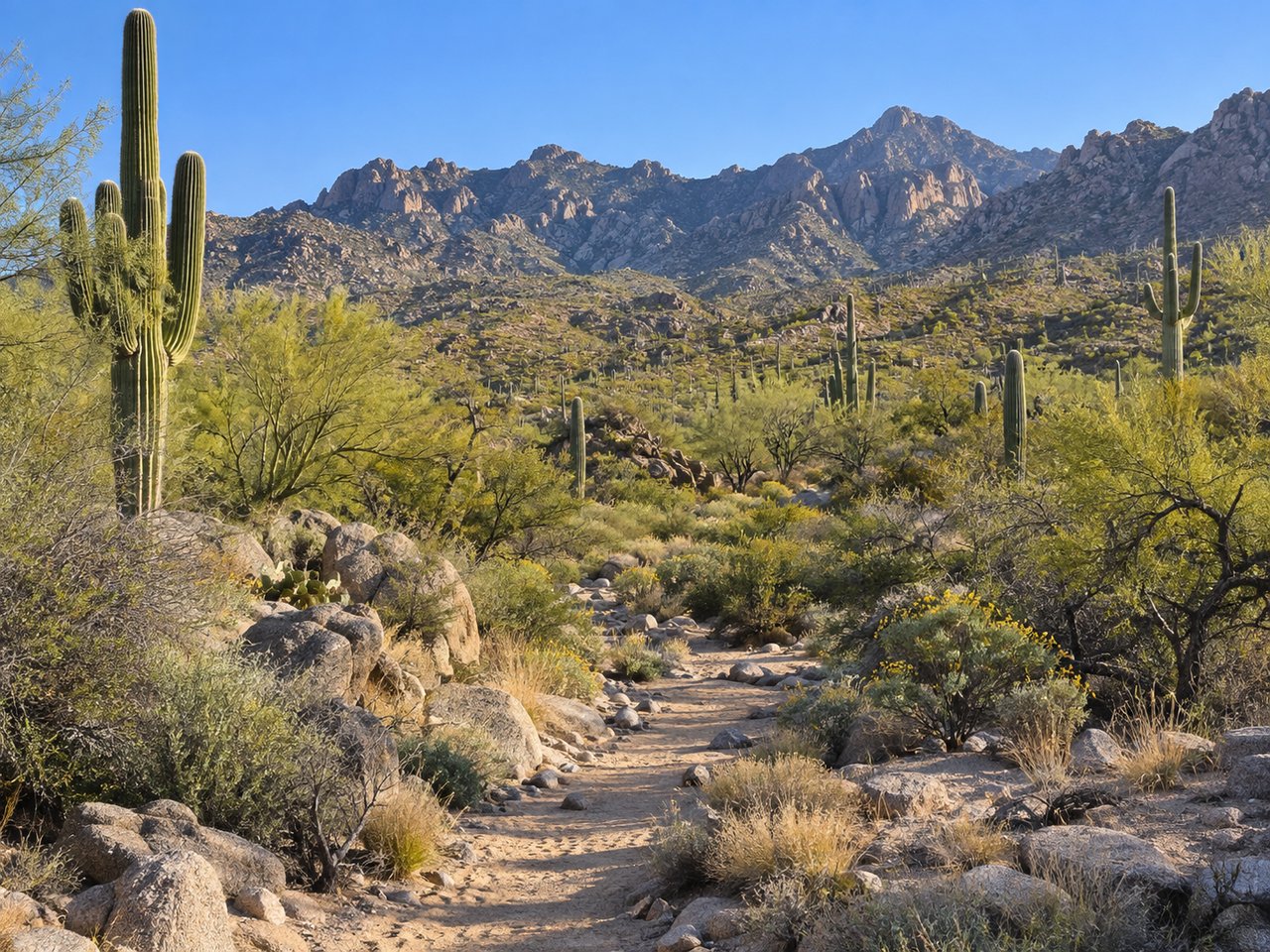
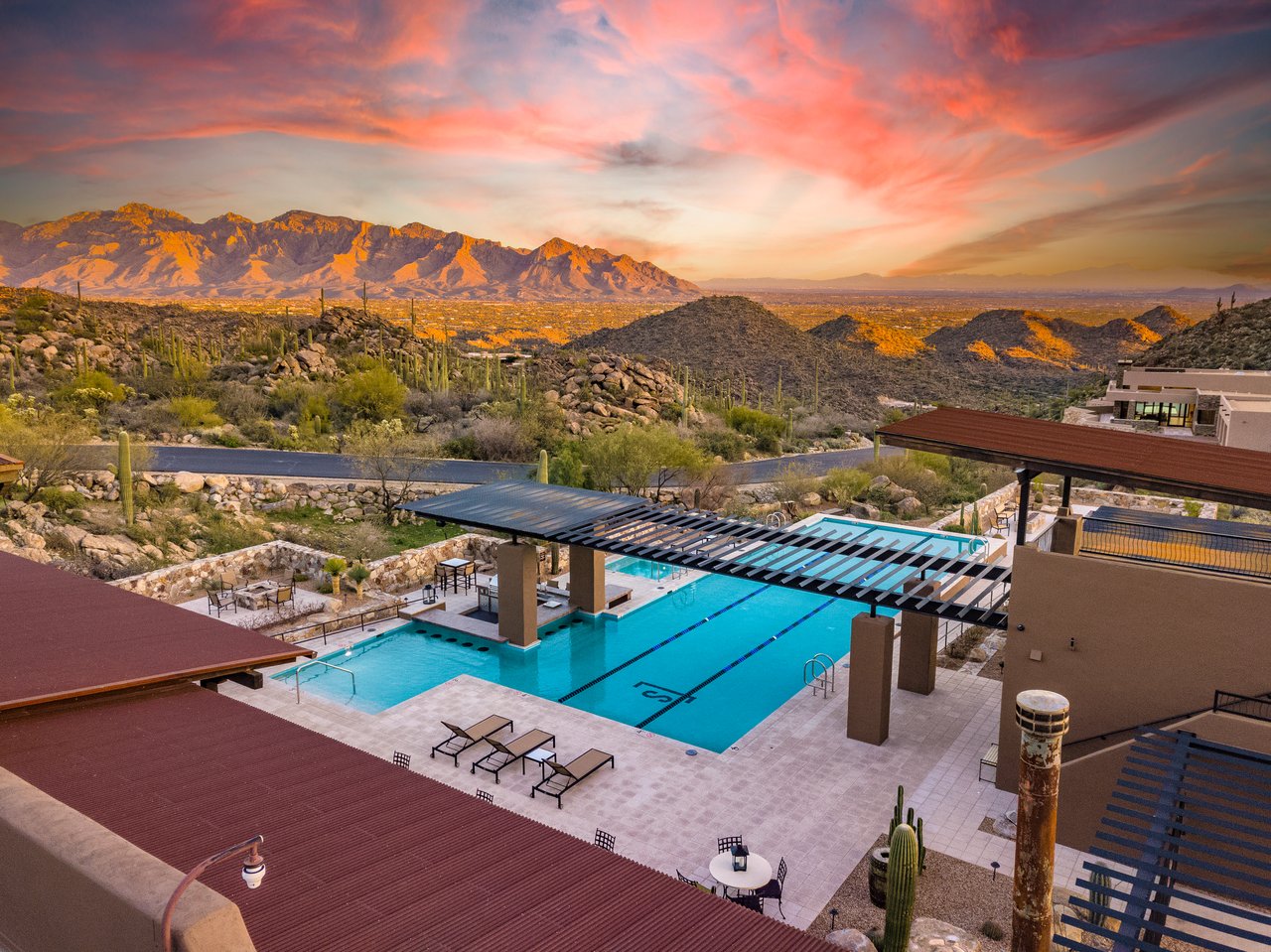
In Tucson, the landscape is not just background scenery. The Sonoran Desert brings clear air, deep blue skies, distant mountain views, and seasonal color shifts that change the way a home feels throughout the day (see how Tucson's seasons look through a luxury homeowner's eyes). With a mean annual temperature of 70.6°F, annual precipitation of 10.61 inches, and average highs above 100°F in June and July, the climate also pushes interiors to feel cooler, quieter, and more settled.
That is why the best desert interiors often begin with restraint. Instead of competing with the brightness outside, they support it. Your home should feel like a calm frame for the desert’s light, shadow, and horizon lines (read our guide to designing your dream home from the ground up).
Choose a Sonoran Color Palette
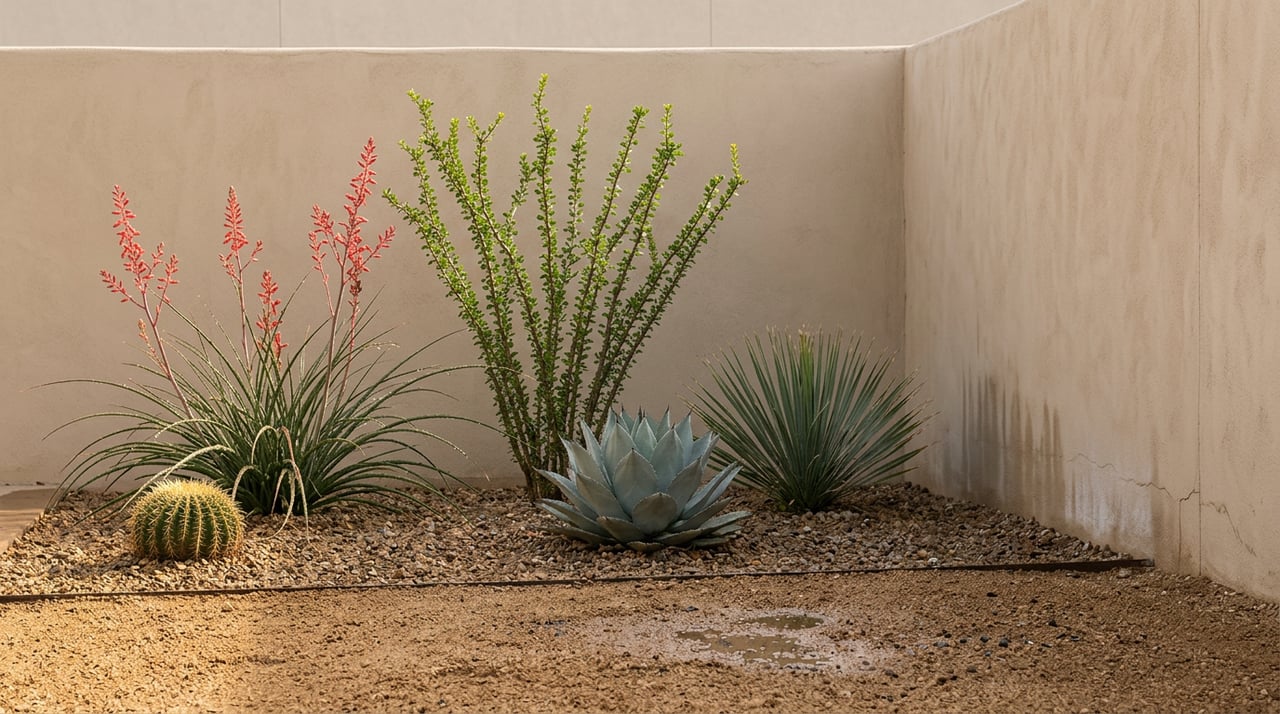
A Tucson palette works best when it feels atmospheric rather than literal. Warm whites, sand, clay, muted sage, iron-oxide reds, shadow gray, and dusk blue tend to reflect the way the desert moves from bright foreground light to blue distance and red-orange sunset.
This approach helps a room feel local without looking staged. You are not trying to decorate with a desert theme. You are translating the colors of the Sonoran landscape into a more refined, lasting interior language.
Colors That Work Well in Tucson Homes
- Warm white for walls and ceilings
- Sand and bone tones for larger upholstery pieces
- Clay and iron-oxide accents in textiles or ceramics
- Muted sage in smaller furnishings or art
- Shadow gray and dusk blue for depth and contrast
If you keep the main palette quiet, your art and views will have more room to breathe. That balance is especially important in homes with broad glazing and long sightlines (see how to evaluate a luxury homesite view in Tucson).
Favor Texture Over Shine
Tucson’s intense sunlight has a way of exposing every surface. In that kind of light, glossy finishes can feel harsh or distracting. Softer, matte materials usually sit more comfortably in the room and create a stronger connection to the region’s building traditions.
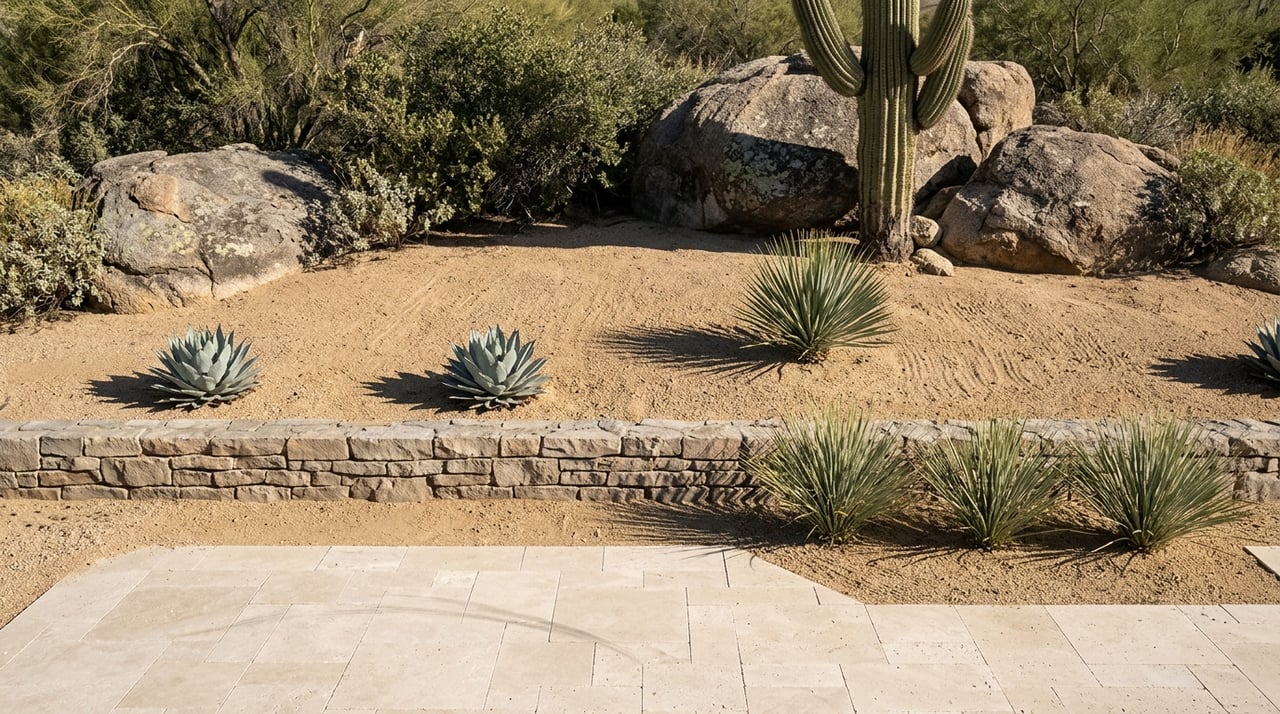
Tucson’s early Sonoran architecture used thick adobe walls, narrow window openings, breathable stucco finishes, layered roofs, and tall ceilings to manage heat and light. Traditional shade structures also relied on natural materials such as mesquite, ocotillo, and saguaro ribs. Today, that history supports an interior palette built around lime plaster, natural stone, mesquite or other local woods, woven fibers, leather, ceramics, and matte metal.
Materials That Feel Grounded
- Lime plaster or soft matte wall finishes
- Natural stone with visible variation
- Mesquite or similarly warm wood tones
- Woven fibers in rugs, baskets, or shades
- Leather with a low-sheen finish
- Hand-made ceramics and sculptural vessels
- Matte metal instead of polished reflective surfaces
These choices do more than look beautiful. They help your home feel materially honest, which is one of the hallmarks of strong desert design.
Keep Furnishings Low and Intentional
In a Tucson desert home, the view is often one of the most important design features. That is especially true in settings where mountains, canyons, or dark skies are part of daily life. Interiors should support those assets, not interrupt them (discover why nature frames every view).
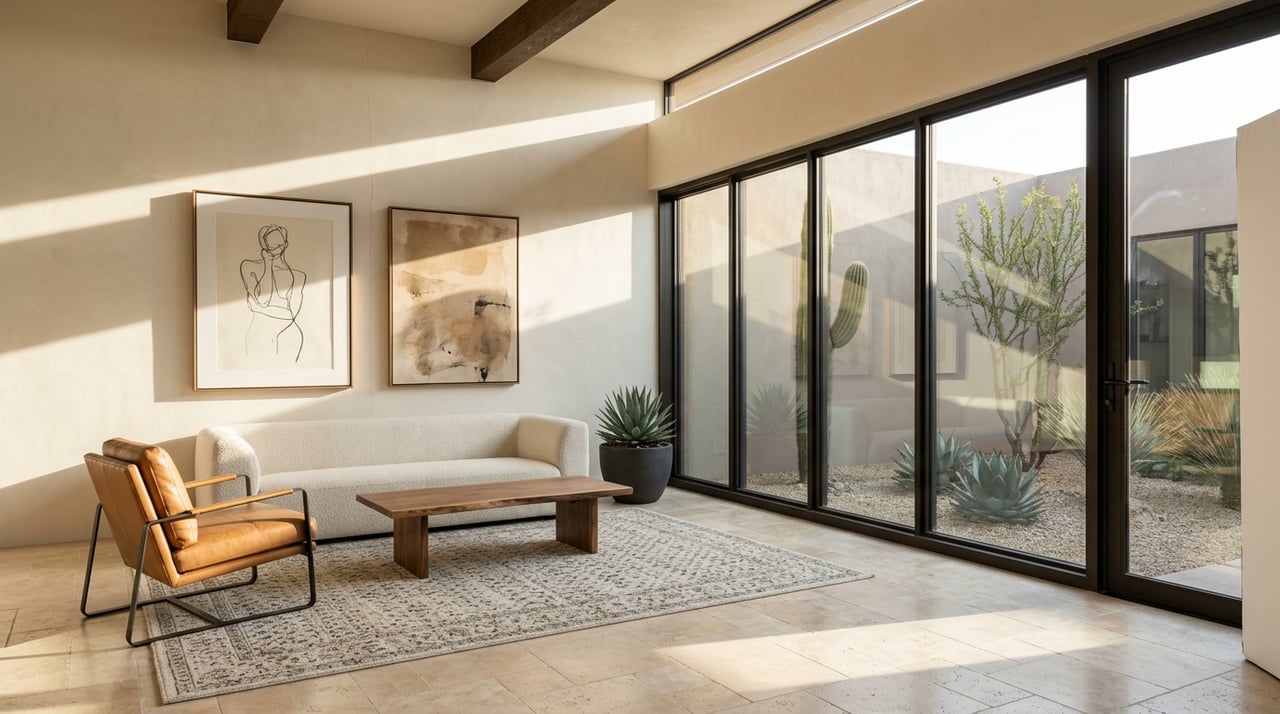
Lower furniture profiles, fewer competing focal points, and clean room layouts allow the exterior to remain the principal artwork. This is one reason many successful desert homes feel edited rather than full. Every piece has a purpose, and negative space becomes part of the composition.
A Better Furnishing Approach
- Choose low-profile seating that preserves sightlines
- Use fewer, larger pieces instead of many small ones
- Leave visual breathing room between furnishings
- Avoid oversized décor that competes with windows and views
- Let one or two statement pieces anchor the room
This strategy creates calm and makes the architecture feel more expansive. It also supports the quiet luxury many buyers want in the Tucson market.
Avoid Literal Desert Décor
One of the most common mistakes in desert interiors is being too literal. Cactus motifs, overly themed Southwestern accents, and heavy-handed references can make a room feel less sophisticated over time.
The stronger approach is abstraction. Instead of repeating what you already see outside, look for ways to reference geology, horizon lines, shadow, native textures, and seasonal color changes through craft, art, and material choice. That gives your home a more collected and enduring point of view.
Curate Art With a Sense of Place
Tucson has a meaningful art ecosystem, and that matters when you are building an interior that feels considered rather than decorated. The Tucson Museum of Art is the oldest and largest cultural institution serving Southern Arizona, with roots in supporting regional artists and student work. MOCA Tucson, founded by artists in 1997, commissions living artists and produces several major interdisciplinary exhibitions each year. The Arts Foundation for Tucson and Southern Arizona also manages the City of Tucson’s Artist Roster for public art (read the urbanist's guide to Tucson).
For you as a homeowner, that means Tucson offers real depth. You are not limited to generic wall décor. You can draw from a culture of making and collecting that connects your home to the broader creative life of the region.
A Smart Art Mix for a Desert Home
A balanced collection often includes:
- One strong contemporary statement piece
- A few regional works that reflect local craft or landscape sensibilities
- Smaller objects that echo the room’s textures and palette
- Ceramics, woven work, photography, or abstraction that adds depth without feeling obvious
Art that translates sky, geology, woven craft, landscape photography, ceramics, or abstraction often has more staying power than literal desert imagery. It feels more personal, more thoughtful, and more in tune with the architecture.
Place Art for Desert Light
Light in Tucson is beautiful, but it can also be demanding. In rooms with broad glazing, strong daylight can flatten delicate color and put sensitive works at risk, especially paper-based pieces.
That is why placement matters as much as selection. Hanging art where it receives indirect light usually creates a better viewing experience and helps preserve subtle tones. In many homes, a shaded wall, a transition space, or a room with softer exposure can be a better fit than the brightest focal wall.
Tips for Displaying Art
- Use indirect light whenever possible
- Be selective with delicate paper works in bright rooms
- Let larger pieces sit on calmer walls with less visual competition
- Pair sculptural objects with matte surfaces and simple backdrops
When the natural light is handled well, art reads more clearly and the room feels more composed.
Design Lighting for Dark Skies
In Tucson, lighting is not just a design detail. It is part of how you live with the landscape. Pima County and the City of Tucson apply an Outdoor Lighting Code designed to minimize light pollution, reduce energy waste, and protect access to the dark night sky (read our guide to dark sky outdoor lighting for Tucson homes).
That local standard aligns naturally with a desert luxury lifestyle. Shielded exterior fixtures, restrained uplighting, and warm, low-glare interior lighting help your home feel more peaceful after sunset. They also protect one of the region’s most memorable daily experiences, the transition from open desert light to a clear night sky (explore privacy, space, and stargazing in Tucson luxury homes).
Lighting Choices That Support the Setting
- Use shielded exterior fixtures
- Keep uplighting restrained
- Favor warm interior light in the evening
- Avoid harsh glare on stone, plaster, and glass
- Treat nighttime lighting as part of the home’s atmosphere
In communities where dark-sky conditions are part of the experience, lighting discipline becomes a luxury feature. It helps the home feel quieter, softer, and more connected to the land.
Let Architecture Guide the Interiors
Tucson’s historic built environment offers a useful lesson for contemporary homes. Regional precedents such as adobe construction, lime mortar, white stucco, shaded transitions, and room sequences that move from enclosure to openness all support a more climate-aware way of living (learn more about energy-conscious design for Tucson desert homes).
You can bring that same logic into a newer desert home. Courtyards, covered outdoor rooms, tall ceilings, and spaces that unfold gradually tend to feel more natural here than homes that try to impose an unrelated style. When the architecture and interiors speak the same language, the result feels calmer and more authentic (see how custom architecture belongs in the desert).
Why This Matters at Saguaro Ranch
In a place shaped by preserved Sonoran landscape, private trails, and dark-sky conditions, the relationship between home and setting becomes even more important. When over 80% of the land is preserved, views and night skies are not afterthoughts. They are part of daily living.
That is why a Tucson desert interior should do more than look polished. It should honor the land, support the architecture, and help every room feel connected to the wider experience of the desert. In a setting like Saguaro Ranch, curation is less about adding more and more about choosing with care.
If you are exploring a homesite, a semi-custom plan, or a completed residence, it helps to think about interiors early. The right art, material palette, and lighting approach can make the difference between a house that simply sits in the desert and one that truly belongs there.
If you are ready to explore a more intentional approach to desert living, contact us today to schedule a private visit to Saguaro Ranch.
FAQs
What colors work best in a Tucson desert home?
- Warm whites, sand, clay, muted sage, iron-oxide reds, shadow gray, and dusk blue usually work well because they reflect the Sonoran Desert’s light, distance, and sunset tones.
What materials suit a Sonoran-inspired interior in Tucson?
- Lime plaster, natural stone, mesquite or other warm woods, woven fibers, leather, ceramics, and matte metal are strong choices because they echo regional building traditions and handle bright desert light well.
How should you choose art for a Tucson desert home?
- A strong mix often includes one contemporary statement piece, a few regional works, and smaller objects that connect to the room’s palette and texture rather than relying on literal desert imagery.
Where should art be placed in a bright Tucson home?
- Art usually looks best in indirect light, especially in rooms with large windows, because strong desert brightness can flatten color and overwhelm delicate works.
Why is lighting important in Tucson desert home design?
- Lighting matters because local dark-sky standards and the region’s night-sky culture support shielded exterior fixtures, restrained uplighting, and warm, low-glare interior lighting that protects atmosphere and views after sunset.
What makes a desert interior feel authentic instead of themed?
- The most authentic interiors usually reference the desert through color, texture, craft, shadow, and material restraint rather than obvious cactus motifs or overly literal Southwestern décor.
Related Blog Posts
- A Guide to Sonoran Desert Architecture in Tucson
- Energy-Conscious Design for Tucson Desert Homes
- Custom Architecture Without Compromise: Designing a Home That Belongs
- Designing Your Dream Home From the Ground Up
- Where Nature Frames Every View
- Dark Sky Outdoor Lighting for Tucson Homes
- Privacy, Space, and Stargazing in Tucson Luxury Homes